

Why DIY Biohacking Is More Than Just a Wellness Trend
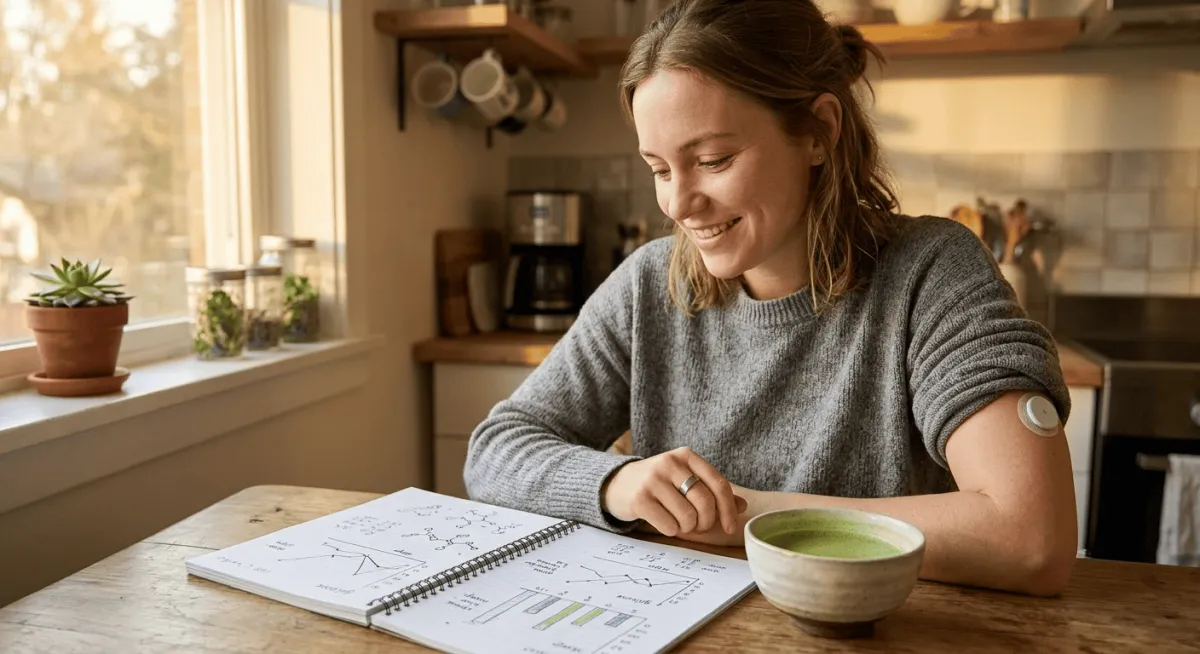
Picture this: you’re standing in your kitchen at 6 a.m., a wearable ring on your finger quietly streaming your heart rate variability to an app, while you sip a precisely dosed mug of matcha blended with lion’s mane mushroom powder.
Ten years ago that might have sounded like a scene from a sci‑fi novel. Today it’s a Saturday. The DIY biohacking trend has swept through Instagram feeds, podcasts, and group chats, promising better sleep, sharper focus, and a longer healthspan.
But peel back the layers of cold plunges and blue‑light‑blocking glasses, and you’ll find something far deeper than a wellness craze. This is a movement rooted in curiosity, data, and a profound desire to understand the machine we all walk around in.
If you’ve ever wondered whether biohacking is just an expensive hobby for tech bros or something that could genuinely transform your life, I wrote this for you. Let’s talk about why the DIY biohacking trend is a quiet revolution, and how you can tap into it without losing your mind (or your savings).
The DIY Biohacking Trend: Moving Biohacking Beyond Wellness
At first glance, biohacking looks like wellness with a Silicon Valley upgrade. You see the Instagram reels: someone submerging themselves in an ice bath, then downing a cocktail of adaptogens while a red‑light panel glows in the background.
It’s easy to dismiss the whole DIY biohacking trend as just another expensive form of self‑care marketed to people who already have too many self‑care products. But biohacking beyond wellness isn’t about buying more stuff. It’s about reclaiming agency over your own biology.
Wellness often tells you to relax, detox, and treat yourself. Biohacking asks, “What if you could measure whether that ‘detox’ actually changed anything in your blood work?” The shift is subtle but massive: you stop outsourcing your health narrative and start becoming the scientist of your own body.
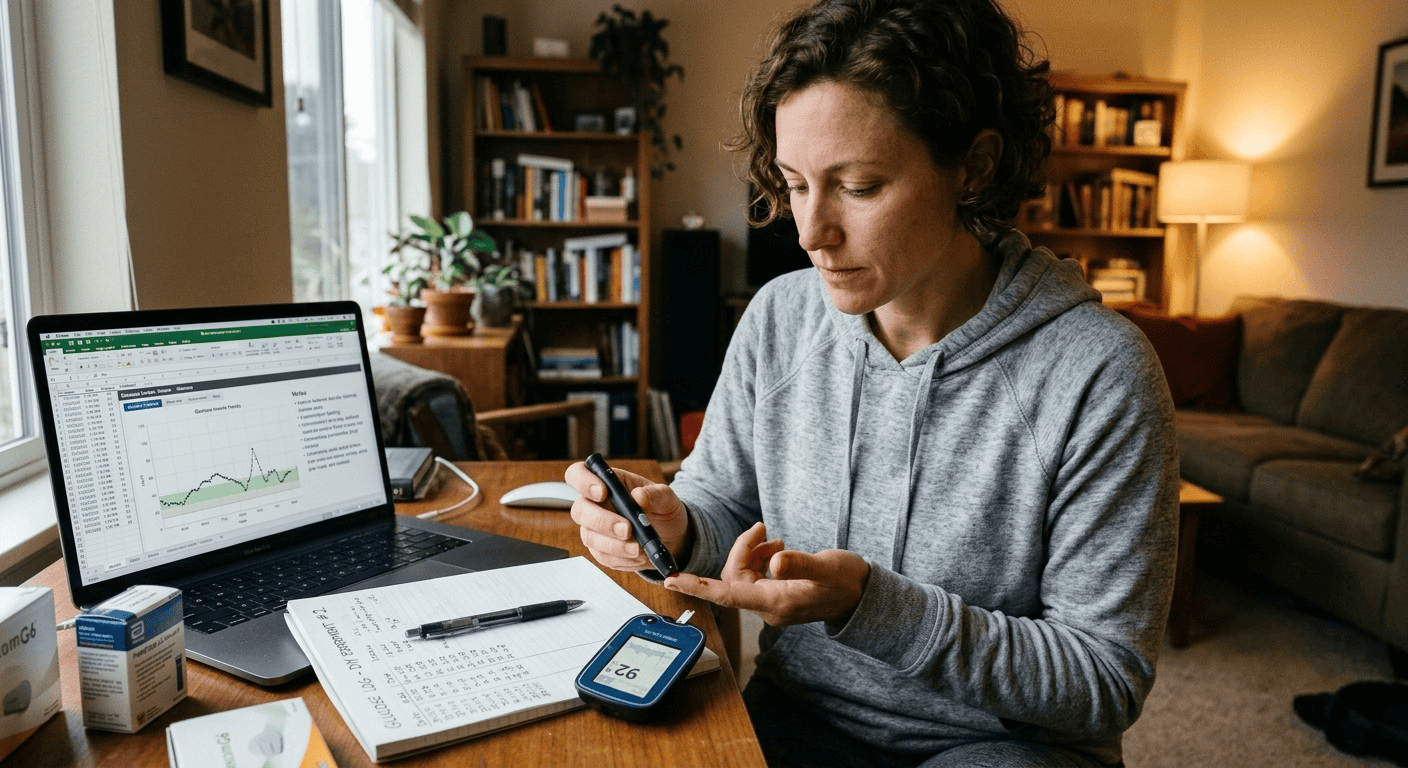
When a friend tells me they’ve started tracking their glucose response to different breakfasts, I know they’ve stepped into a realm where kale smoothies aren’t automatically virtuous, they’re hypotheses waiting to be tested. That’s the heart of the DIY biohacking trend: not chasing trends, but running personal experiments.
Think of it this way: wellness is a menu you’re handed. Biohacking is learning to cook, tweaking recipes, and sometimes inventing a dish nobody’s ever tasted. It’s messy, empirical, and incredibly empowering. And the beauty?
You don’t need a PhD or a six‑figure lab.
A notebook, a smartphone, and a willingness to ask “why” are often enough to start moving biohacking beyond wellness into a practice that genuinely rewires your days.
The Science of Biohacking: More Than Bro Science and Placebo
One of the biggest misunderstandings about the DIY biohacking trend is that it’s built on shaky ground, a mix of anecdotes, expensive supplements, and wishful thinking. But spend ten minutes on PubMed or examine.com, and you’ll realize the science of biohacking is very real.
It pulls from exercise physiology, neuroscience, chronobiology, and nutritional biochemistry. The tools are simply becoming more accessible, letting ordinary people engage with peer‑reviewed research in their living rooms.
Take intermittent fasting. It didn’t start as a wellness hashtag; it grew from decades of research on caloric restriction, autophagy, and insulin sensitivity.
A landmark 2019 review in the New England Journal of Medicine detailed how time‑restricted eating can improve metabolic health, reduce oxidative stress, and even support cognitive function (source: Intermittent Fasting: The Science of Going Without.) That’s not bro science, that’s rigorous biology applied at the kitchen table.
Or look at the Wim Hof Method, often held up as a poster child for the DIY biohacking trend. Early skeptics called it a party trick until researchers demonstrated that trained practitioners could voluntarily activate their sympathetic nervous system and dampen an inflammatory response, a finding published in PNAS Voluntary activation of the sympathetic nervous system.
Suddenly, breathwork and cold exposure entered the realm of evidence‑based self‑optimization. The science of biohacking doesn’t require blind faith; it asks you to understand mechanisms and then run your own small‑scale replication.
This scientific backbone is what separates the DIY biohacking trend from fleeting fads. A fad tells you to buy a vibration plate because a celebrity did it. Biohacking, at its best, says, “Here’s how whole‑body vibration may influence bone density and circulation.
Here’s a protocol. Now track your sleep and HRV to see if it moves the needle for you.” When you treat your body as a complex system rather than a passive recipient of remedies, you stop chasing magic bullets and start playing the long game with curiosity.
From Quantified Self to Citizen Science: The Community Fueling the Movement
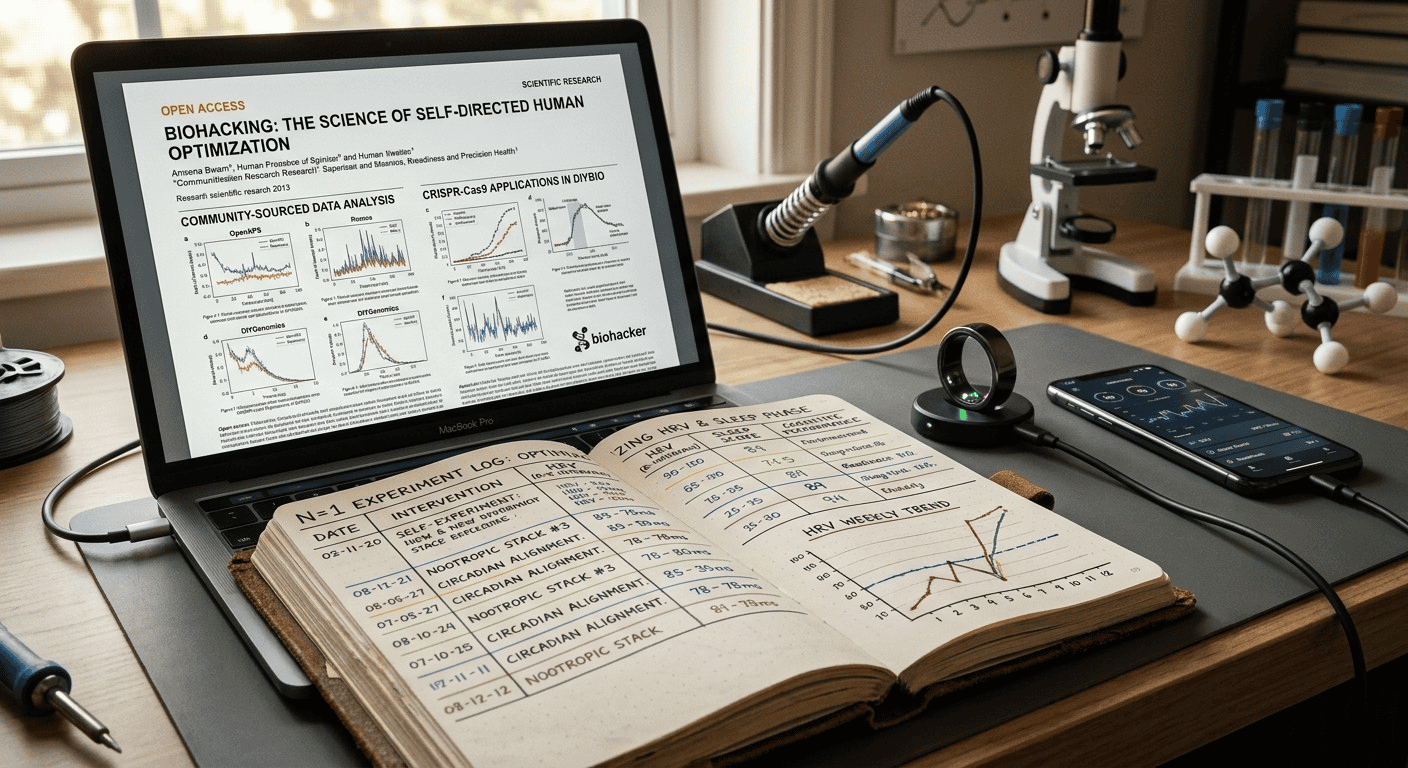
The DIY biohacking trend didn’t emerge in a vacuum. It grew legs through the Quantified Self movement, which started in the late 2000s as a meetup for people tracking everything from mood to mile time.
Today that community has evolved into a global network of citizen scientists, sharing data, tools, and protocols with a rigor that can rival formal research groups.
If you’ve ever logged your deep sleep percentage or mapped your productivity against caffeine timing, you’ve tapped into this lineage.
Community is a huge reason why biohacking beyond wellness is more than an individual pursuit. On forums, Discord servers, and local meetups, people swap notes on what lowered their resting heart rate or improved their LDL particle size.
I’ve seen a thread where a father of three meticulously documented how a 10‑minute morning light exposure shifted his family’s bedtime battles, and backed it up with sleep tracker charts.
That’s not a trend; that’s collective wisdom accelerating personal discovery. If you want to dive deeper into tracking your own data, check out our Beginner’s Guide to Tracking Your Biomarkers. It walks you through the essentials without making your head spin.
This community spirit shifts the DIY biohacking trend away from ego‑driven optimization toward something more generous.
Yes, some corners of biohacking obsess over squeezing out an extra 2% productivity, but the wider movement is full of people tackling chronic fatigue, autoimmune issues, and mental clarity with a problem‑solving mindset.
They’re often the ones doctors don’t have time to help, or whose symptoms fall into the “it’s probably just stress” bucket. For them, the citizen‑science approach isn’t a game, it’s a lifeline.
And when you find a protocol that finally helps you sleep through the night, you naturally want to share it, turning personal health into a collaborative project.
Biohacking Beyond Wellness: Optimizing for Longevity, Cognition, and Resilience
Wellness culture tends to orbit around how you look and feel right now, flatter stomach, clearer skin, more energy this afternoon. The DIY biohacking trend stretches the timeline.
It’s just as interested in what your brain will look like at 85 and whether your mitochondria can keep up with your ambitions. That’s where biohacking beyond wellness really shines, pivoting from superficial metrics to deep, preventative health.
Consider sleep optimization. It’s not just about getting eight hours; it’s about aligning bedtime with your chronotype, reducing nighttime light exposure to boost endogenous melatonin production, and tracking your heart rate dip to gauge recovery.
Small tweaks, like wearing amber glasses after sunset or shifting your last meal three hours before bed, can nudge deep sleep upward. And deep sleep is when your brain clears beta‑amyloid, the protein linked to Alzheimer’s. Suddenly, a sleep habit becomes a longevity play.
We unpack practical strategies for this in How to Build a DIY Sleep Lab for Better Rest, which shows you how to set up a sleep‑friendly environment using simple tools.
Then there’s cognitive biohacking. Nootropics, substances that may enhance memory, focus, or creativity, are a pillar of the DIY biohacking trend, but they’re often misunderstood.
The science of biohacking teaches us that the most effective nootropic stack isn’t a sketchy gas‑station pill; it’s likely a combination of caffeine + L‑theanine (matcha’s natural duo), adequate omega‑3 intake, and maybe creatine, which research suggests can improve cognitive performance in sleep‑deprived or vegetarian individuals.
More exotic compounds like racetams or microdosed psychedelics live in a gray area with far less long‑term safety data. The intelligent biohacker starts with the fundamentals and layers in one variable at a time.
If you’re curious about the evidence‑backed options, our Nootropics for Beginners: What Science Says About Brain Boosters guide separates signal from noise.
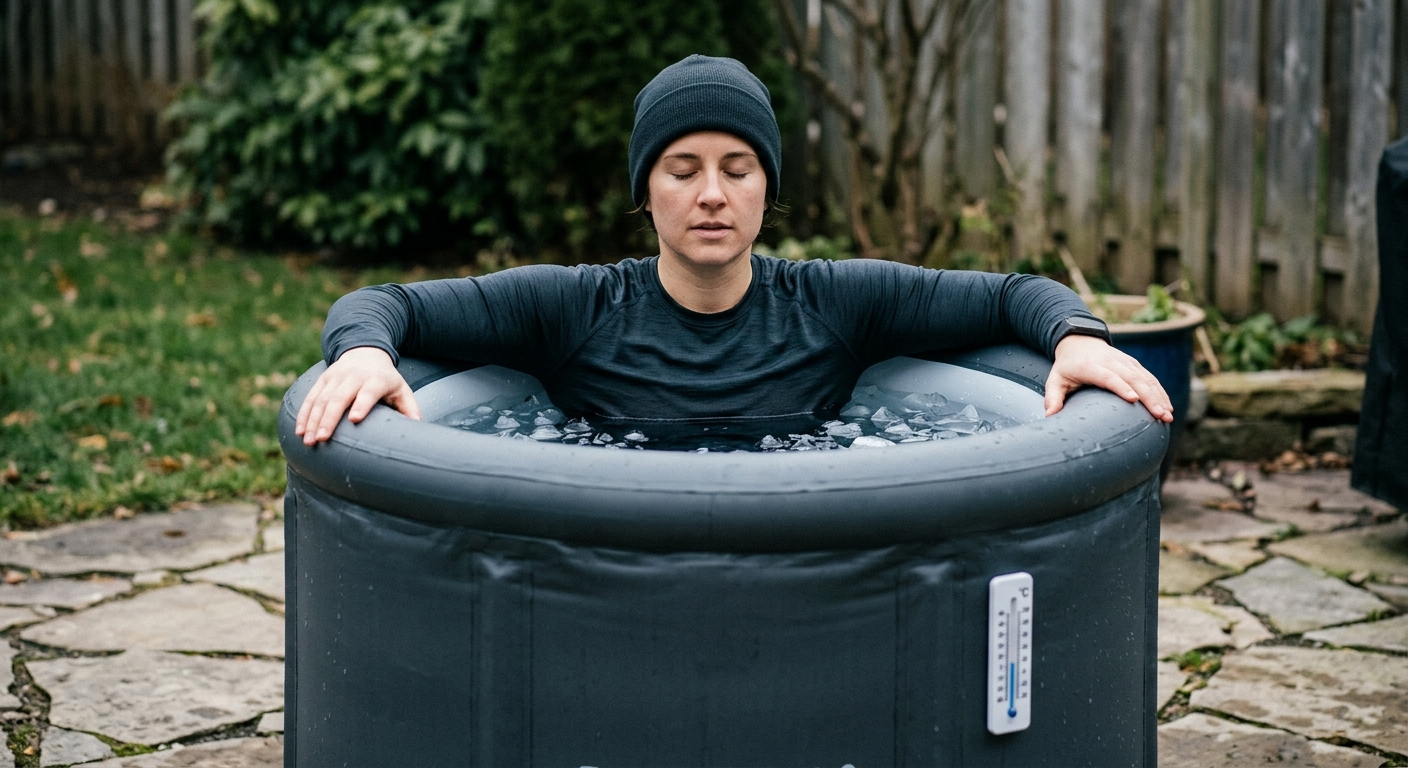
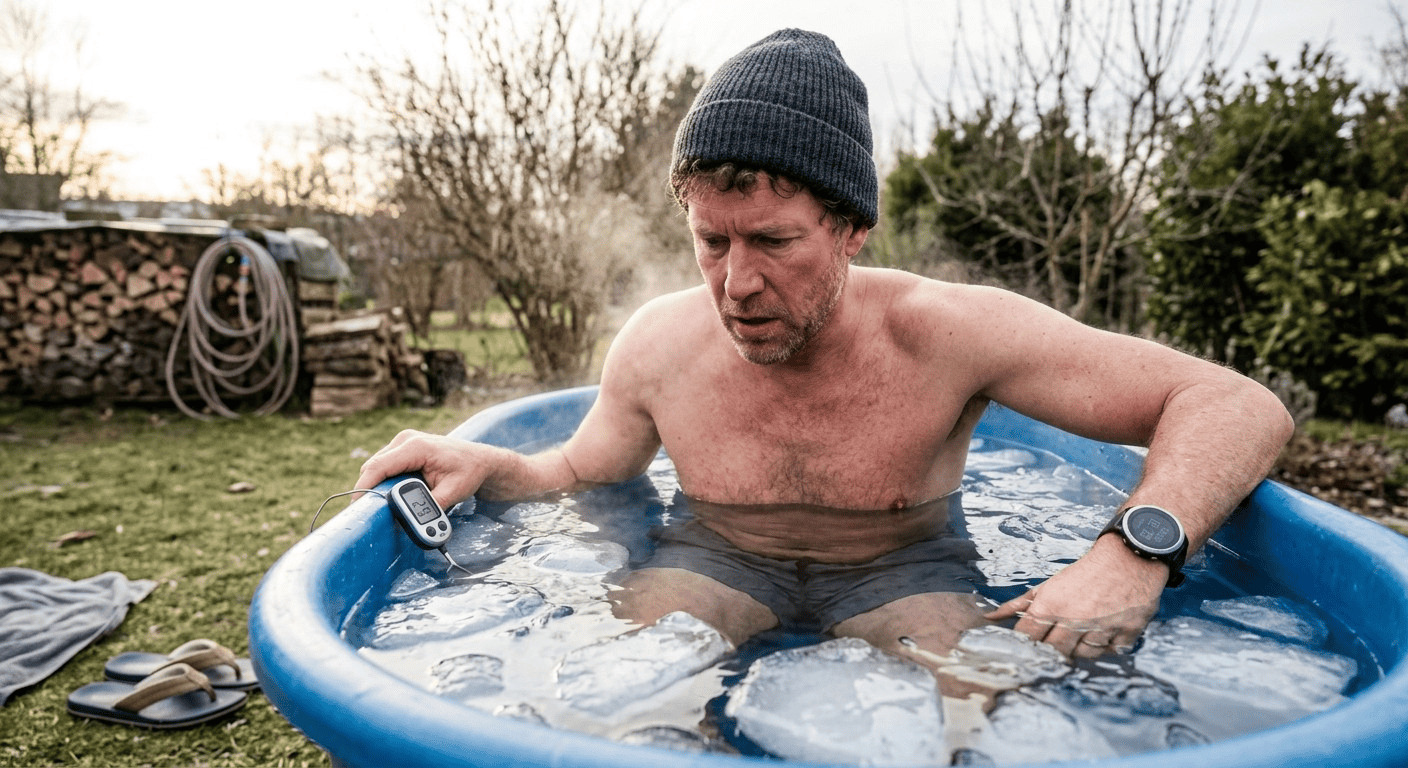
Resilience is the third pillar. Cold exposure and heat therapy (sauna) are hallmarks of the DIY biohacking trend because they function as hormetic stressors, small doses of stress that trigger adaptive repair mechanisms.
Repeated cold plunges have been shown to increase norepinephrine and may reduce inflammation over time. Sauna use is associated with a lower risk of cardiovascular disease and even dementia.
These practices don’t just make you feel tough; they train your physiological flexibility, teaching your nervous system to bounce between sympathetic and parasympathetic states more gracefully.
When you begin to see a 3‑minute cold shower as a micro‑challenge that recalibrates your stress response, you’ve moved biohacking beyond wellness into daily resilience training.
Practical Steps to Start Your Own DIY Biohacking Journey (Without Going Broke)
It’s easy to watch the DIY biohacking trend from the sidelines and assume you need a $500 Oura ring, a $2,000 red‑light panel, and a concierge doctor on speed dial. The truth is, the most powerful interventions cost close to nothing. Here’s how to begin with a scientist’s mindset and a beginner’s budget:
Choose one baseline to measure. Pick a simple metric that matters to you: sleep duration, resting heart rate, morning HRV, or a mood score. Track it daily for two weeks without changing anything. This is your control period. A $2 notebook works just fine.
Introduce a single variable. Maybe you stop eating three hours before bed, add 10 minutes of morning sunlight, or take a 2‑minute cold shower at the end of your usual warm shower. Change only one thing.
Run the experiment for two weeks. Continue tracking the same metric daily. Write down confounders like a stressful workday, travel, or alcohol intake, these are the messy real‑world variables that make self‑experimentation both challenging and rich.
Analyze subjectively and objectively. Did your sleep latency drop? Does your mood feel more stable? Even if the numbers don’t scream significance, your qualitative experience is valid data. The science of biohacking honors n‑of‑1 studies because you aren’t a population average.
Iterate. Keep what works, toss what doesn’t, and test the next variable. Over a year, you’ll have built a personalized owner’s manual for your body.
This approach removes the pressure to “fix” everything at once and instead turns the DIY biohacking trend into a playful, lifelong inquiry. The goal isn’t perfection; it’s self‑knowledge.
And when you stack a few small, evidence‑backed wins, like waking up without an alarm or feeling calm in traffic, you realize this is less about optimization and more about liberation.
The Future of DIY Biohacking: Empowerment, Not Just Optimization
So where is the DIY biohacking trend headed? Wearables will get smaller and more accurate. Blood‑testing services will become more on‑demand. AI will help detect patterns in your data that you’d never spot alone.
But the deeper shift will be cultural: a move from viewing health as something you receive to something you co‑create.
We’re already seeing this in the rise of health‑focused communities that bridge biohacking beyond wellness with advocacy for medical autonomy.
People are learning to read their own labs, question blanket dietary guidelines, and demand transparency from the industries that shape our food and environment.
This doesn’t mean rejecting conventional medicine, it means showing up to doctor appointments with detailed logs and educated questions, turning the conversation from a monologue into a dialogue.
There’s a humility baked into the science of biohacking that often gets lost in the hype. Genuine experimentation teaches you that the body is incredibly complex and that correlation isn’t causation.
A supplement might spike your focus for a week only to disrupt your sleep subtly enough that you blame “just a busy month.” The future biohacker isn’t a cyborg chasing a limitless pill; it’s a thoughtful human who understands that sleep, nutrition, movement, relationships, and purpose form an ecosystem that can’t be reduced to a single hack.
And that’s precisely why the DIY biohacking trend will outlast any single wellness fad. Because underneath the gadgets and protocols is a radical idea: that you are the world’s leading expert on your own experience, and that with curiosity, data, and community, you can write a better story for your health. No trend required.
Key Points Summarized
The DIY biohacking trend goes deeper than wellness fads by turning you into an active experimenter, not a passive consumer.
Biohacking beyond wellness focuses on longevity, cognition, and resilience, not just how you look today.
The science of biohacking is grounded in peer‑reviewed research on fasting, cold exposure, nootropics, and sleep, making self‑experimentation evidence‑based.
Community‑driven citizen science gives the movement its staying power and generosity, moving beyond individual optimization.
You can begin with low‑cost, simple self‑tracking and a single‑variable experiment, no expensive gear required.
The future of the DIY biohacking trend is about empowerment, not just optimization, blending data with deep self‑awareness.
Ready to go deeper into the DIY biohacking trend on your own terms? Whether you’re curious about where to start, want to share a personal experiment, or are looking for personalized guidance, we’d love to hear from you.
Contact us at [email protected] for inquiries, collaborations, or just a friendly chat about your next self‑experiment. Let’s figure out what your body’s capable of, together.