


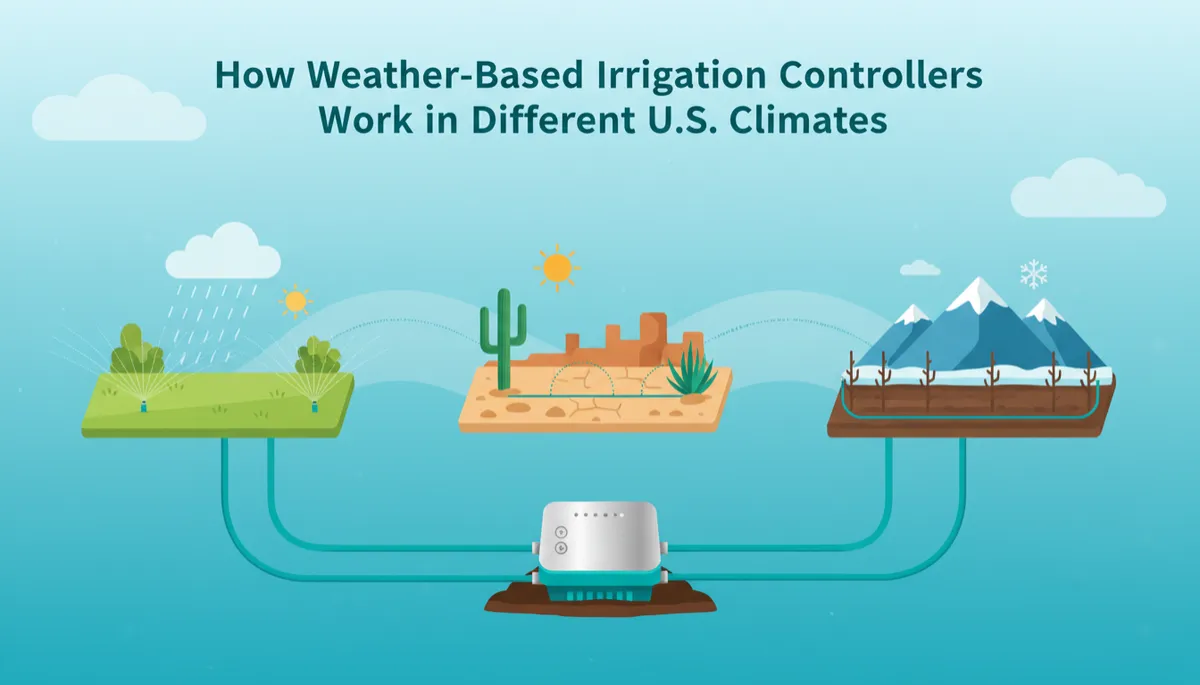
Weather-Based Irrigation for U.S. Climates
Home & Garden, Smart Irrigation, Water Conservation
How Weather-Based Irrigation Controllers Work in Different U.S. Climates
Curious how a weather based irrigation controller actually knows when your yard needs a drink—and when it should let the rain do the work? Let’s walk through how these weather smart irrigation systems behave in very different U.S. climates, from soggy Seattle to sizzling Phoenix, so you can decide what makes sense for your home.
What Is a Weather Based Irrigation Controller, Really?
A weather based irrigation controller is like a smart thermostat for your sprinklers. Instead of running on a fixed schedule no matter what the sky is doing, it constantly adjusts watering based on real-time or historical weather data. That means less guesswork for you, and less wasted water for your lawn and garden.
Most modern weather smart irrigation controllers use a mix of:
Weather feeds: Local forecasts and historical climate data from online services or nearby weather stations.
On-site sensors: Rain sensors, sometimes soil moisture sensors, and temperature sensors that tell the controller what’s happening in your yard right now.
Landscape details: Your input about plant types, sun exposure, soil type, and slope, so it can fine-tune watering needs.
Behind the scenes, the controller estimates how much water your soil has “lost” through evaporation and plant use, a concept called evapotranspiration. Then it decides whether today is a watering day, how long each zone should run, or whether to skip because a storm just rolled through. In short, weather smart irrigation tries to mimic how nature would water your yard if it could read a forecast.
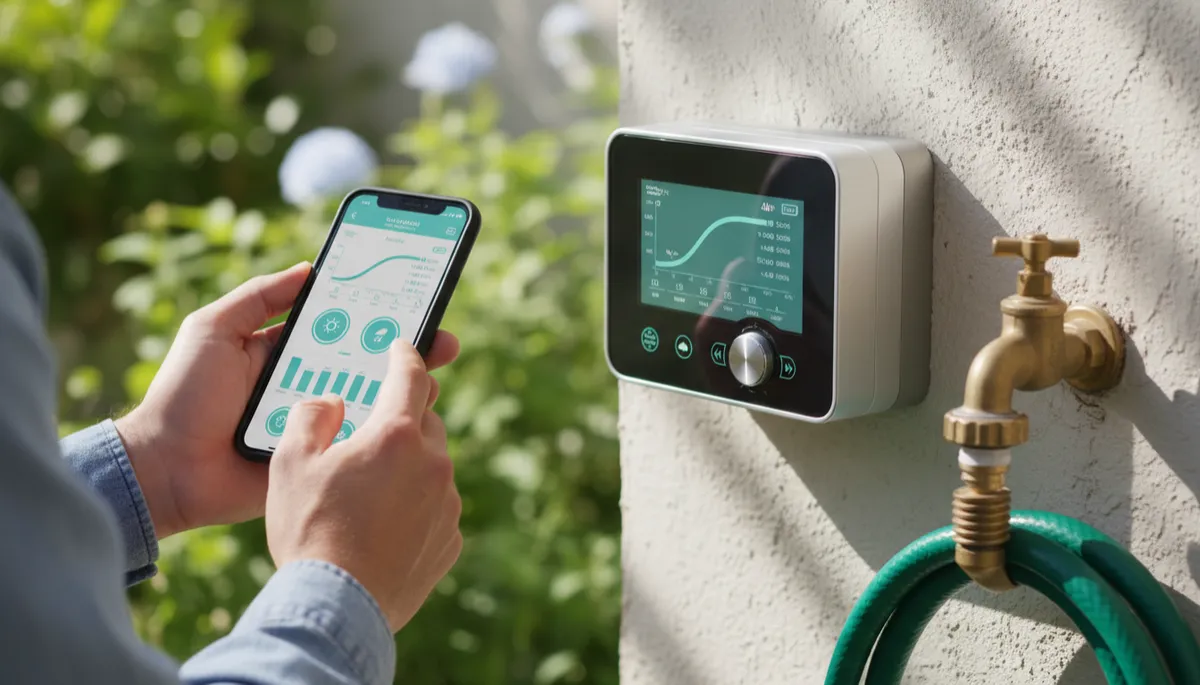
App-connected controllers make it easy to tweak watering schedules from anywhere.
How Controllers Handle Rain: Let the Sky Do the Watering
One of the biggest advantages of a smart irrigation controller for rain is its ability to pause or reduce watering when Mother Nature steps in. Nobody likes seeing sprinklers running in the middle of a downpour, and your water bill definitely doesn’t appreciate it either.
Weather based systems typically use:
Rain sensors mounted outdoors that physically detect rainfall and temporarily shut off irrigation when a set amount has fallen.
Forecast-based skips that cancel upcoming watering if reliable rain is expected soon, especially useful in storm-prone regions.
💡 Friendly tip: If you live where surprise showers are common, pairing your weather based irrigation controller with a simple wired or wireless rain sensor is a low-cost way to boost accuracy.
Cool, Wet Climates: Pacific Northwest and Great Lakes
If you live in places like Seattle, Portland, or near the Great Lakes, your biggest challenge usually isn’t keeping things watered—it’s avoiding overwatering. Lawns here often stay green with relatively modest irrigation, especially in spring and fall when rain is frequent.
In these regions, a weather smart irrigation setup will:
Skip watering often during rainy weeks, sometimes going many days or even weeks without running sprinklers at all.
Use shorter run times because cooler temperatures and cloud cover reduce evaporation and water demand.
Lean heavily on rain data, making an irrigation controller for rain especially valuable to prevent soggy lawns and fungal issues.
Homeowners in these climates often see big water savings because older “set and forget” timers tend to run far more than necessary. A weather based irrigation controller trims that excess automatically, while still stepping in during the occasional dry spell.
Hot, Dry Deserts: Southwest and Southern California
Now let’s jump to the opposite extreme: places like Phoenix, Las Vegas, or inland Southern California. Here, intense sun, low humidity, and often windy afternoons suck moisture from soil quickly. In these areas, weather smart irrigation is less about skipping for rain and more about keeping up with high demand without wasting a drop.
In arid and semi-arid climates, a weather based irrigation controller will typically:
Water more frequently, but with carefully calculated run times that match plant needs and soil capacity.
Favor early morning cycles to reduce evaporation and wind drift, helping every gallon reach the roots.
Adjust quickly during heat waves, automatically boosting watering when temperatures spike for several days in a row.
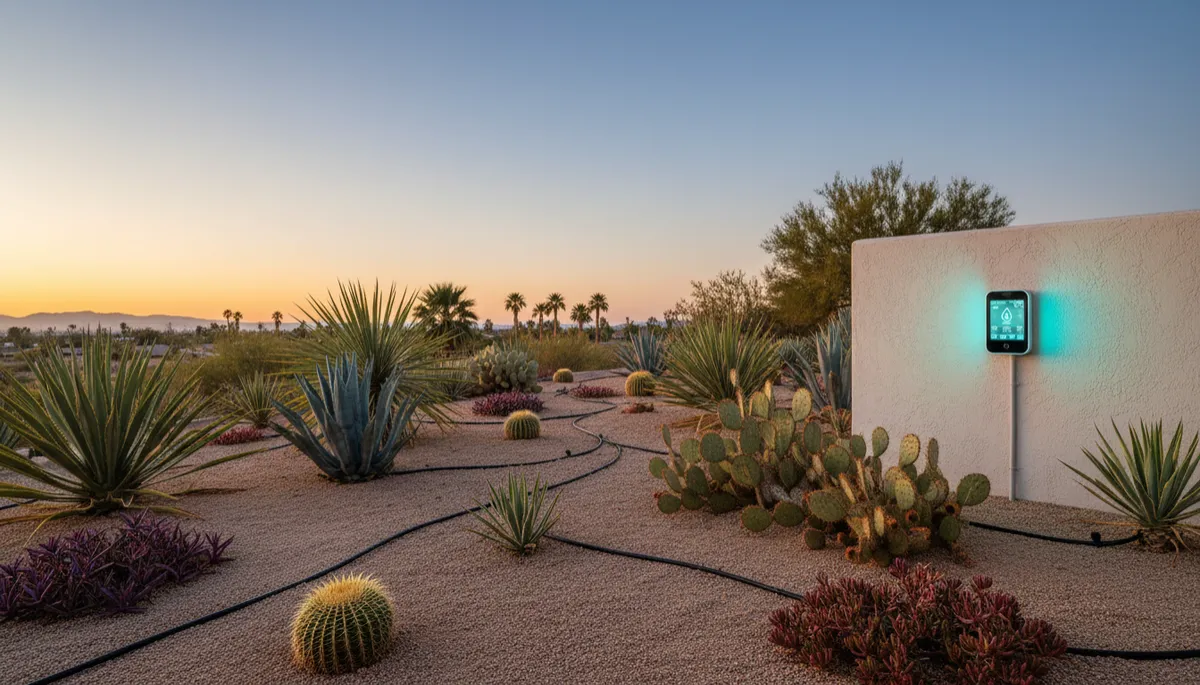
Smart controllers help desert landscapes stay healthy while respecting tight water budgets.
In many Western cities, water agencies even offer rebates for installing approved weather based systems because they can significantly reduce outdoor water use without sacrificing curb appeal. If you’re in a drought-prone area, it’s worth checking local programs before you buy.
Humid, Stormy Climates: Southeast and Gulf Coast
From Florida up through the Carolinas and along the Gulf Coast, summers can be a roller coaster of blazing sun and sudden downpours. Lawns love the heat and humidity, but so do weeds and lawn diseases, especially when grass stays too wet for too long.
In these climates, a weather based irrigation controller shines by:
Reacting to pop-up storms with rain sensors and forecast-based skips, preventing back-to-back watering and rainfall.
Reducing run times during humid stretches when evaporation slows, so soil doesn’t stay saturated.
Protecting plant health by keeping a healthier wet–dry cycle, which encourages deeper roots and stronger turf.
If you’ve ever battled brown patch or other fungal problems, dialing in your watering with weather smart irrigation can be just as important as choosing the right fertilizer or grass seed.
Four Seasons in One Place: Midwest and Northeast
In much of the Midwest and Northeast, your yard experiences everything: spring showers, hot humid summers, crisp falls, and frozen winters. Here, a weather based irrigation controller has to be a bit of a chameleon, shifting strategies as the seasons change.
Typically, you’ll see patterns like:
Spring: Frequent rain-based skips and lighter watering as grass wakes up and roots deepen.
Summer: More regular watering during hot spells, with adjustments for thunderstorms and heat waves.
Fall: Gradual reduction in watering as temperatures drop and growth slows, often shutting down entirely before the first freeze.
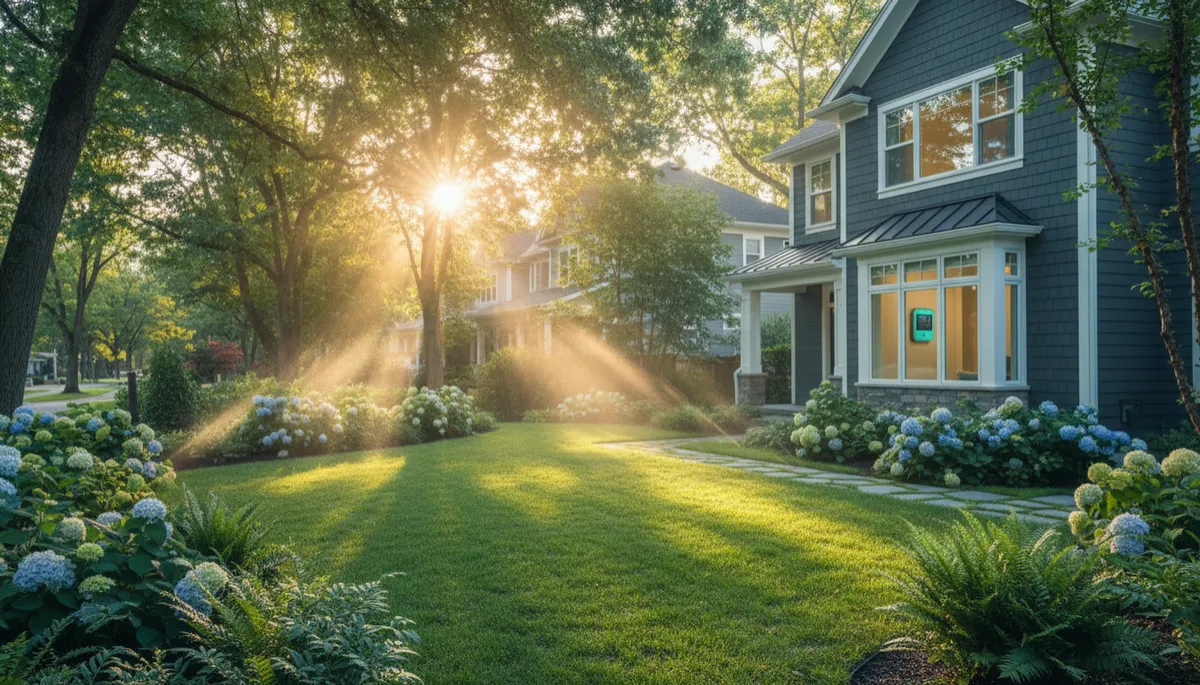
Seasonal adjustments happen automatically when your controller tracks local weather.
Because conditions swing so widely, homeowners here benefit a lot from letting technology do the math instead of constantly reprogramming old-school timers every few weeks.
Choosing the Right Weather Smart Irrigation Setup for Your Yard
No matter where you live in the U.S., a few basics will help you get the most from a weather based irrigation controller:
Look for a controller that supports your local water restrictions, like odd–even days or specific watering windows.
Take time to enter accurate details about each zone—sun, shade, soil, and plant types matter more than you might think.
Pair your controller with a good rain sensor, especially in wetter or storm-prone regions, to make your irrigation controller for rain even smarter.
📌 Key takeaway: The “best” weather based irrigation controller isn’t one-size-fits-all. It’s the one that understands your climate, your yard, and your local rules—and adjusts watering so you don’t have to.
Bringing It All Together: Smarter Watering, Healthier Landscapes
From misty coastal towns to sun-baked deserts, weather smart irrigation takes the guesswork out of caring for your landscape. A modern weather based irrigation controller watches the sky, tracks temperature and rainfall, and adjusts your sprinklers so your plants get just enough water—no more, no less—throughout the year.
The result is a yard that looks better, wastes less water, and demands less of your time. Whether you’re trying to keep a small front lawn green, nurture a pollinator-friendly garden, or maintain a full backyard oasis, letting the weather help run your irrigation is a friendly upgrade your plants—and your wallet—will appreciate.