

Use Open-Source Data to Boost Your Health
Health, Biohacking, Open-Source Data
How to Use Open-Source Biohacking Data to Improve Your Health
Open-source biohacking data is no longer just for lab geeks and hardcore experimenters. Across the USA, everyday people are tapping into shared experiments, DIY health data tracking, and citizen science health insights to make smarter, more personalized choices about sleep, food, exercise, and mental well-being. This guide walks you through how to safely and realistically use these resources to support your own health journey.
What Is Open-Source Biohacking Data, Really?
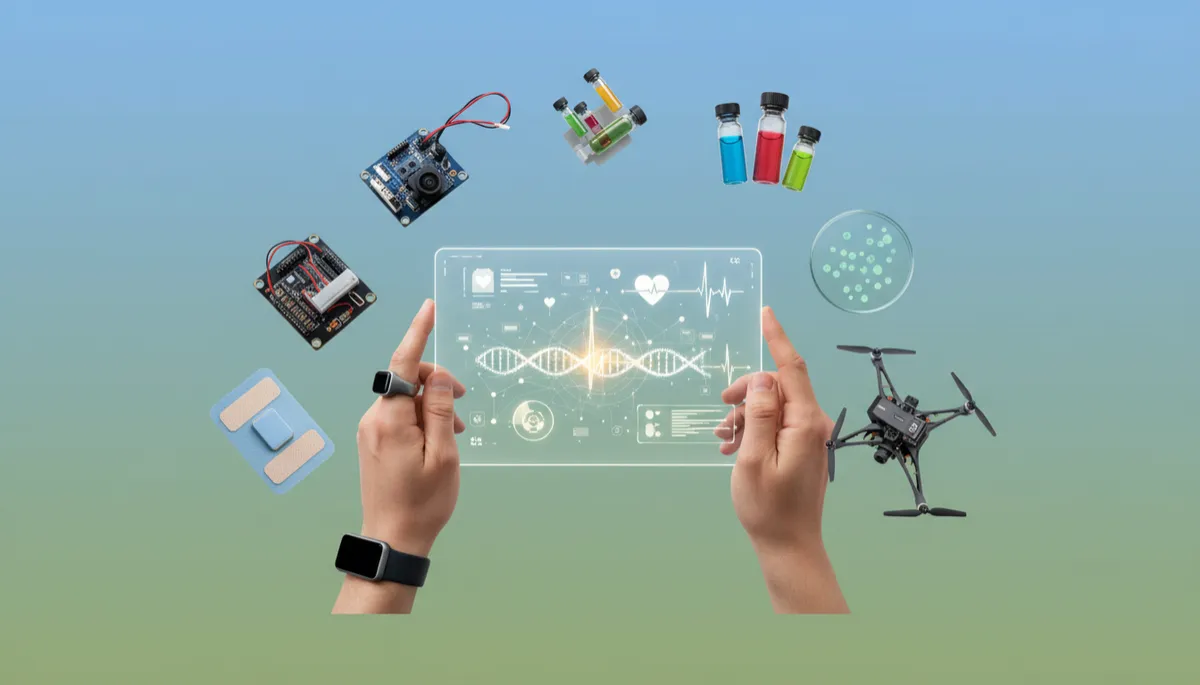
At its core, open-source biohacking data health is about people sharing the results of their own health experiments in public, so others can learn from them. Instead of waiting for a big clinical trial, thousands of individuals collect data on things like:
How different foods affect their blood sugar, energy, or mood
Which sleep routines actually help them fall asleep faster and stay asleep longer
How exercise, light exposure, or meditation influence stress levels and recovery
These experiments are often logged in spreadsheets, open databases, or community platforms. Because the data is shared openly, you can explore it, compare it with your own numbers, and spot patterns that might be useful for your health decisions—especially when you discuss them with a trusted healthcare professional.
💡 Friendly reminder: Open-source data can guide experiments, but it should never replace medical advice, diagnosis, or treatment from a qualified clinician.
Step 1: Start With Your Own DIY Health Data Tracking
Before you dive into other people’s numbers, it helps to understand your own. In the USA, more and more people are embracing DIY health data tracking with simple tools they already have. You don’t need a lab—just a bit of consistency and curiosity.
Easy Metrics You Can Track at Home
Sleep: Bedtime, wake time, total hours, how rested you feel (1–10 scale).
Movement: Steps per day, workouts, stretching sessions, or even just walks after meals.
Food: Rough notes on what you ate and how you felt afterward (energized, bloated, sleepy, focused, etc.).
Mood and stress: A quick 1–10 rating once or twice a day, plus any major stressors.
If you’re already using a smartwatch or fitness tracker, you’re halfway there. Many apps let you export your information as a CSV or spreadsheet, which makes it easier to compare with open-source biohacking data later on. This kind of DIY health data tracking USA approach is becoming a quiet movement—ordinary Americans turning day-to-day life into gentle, personal experiments.
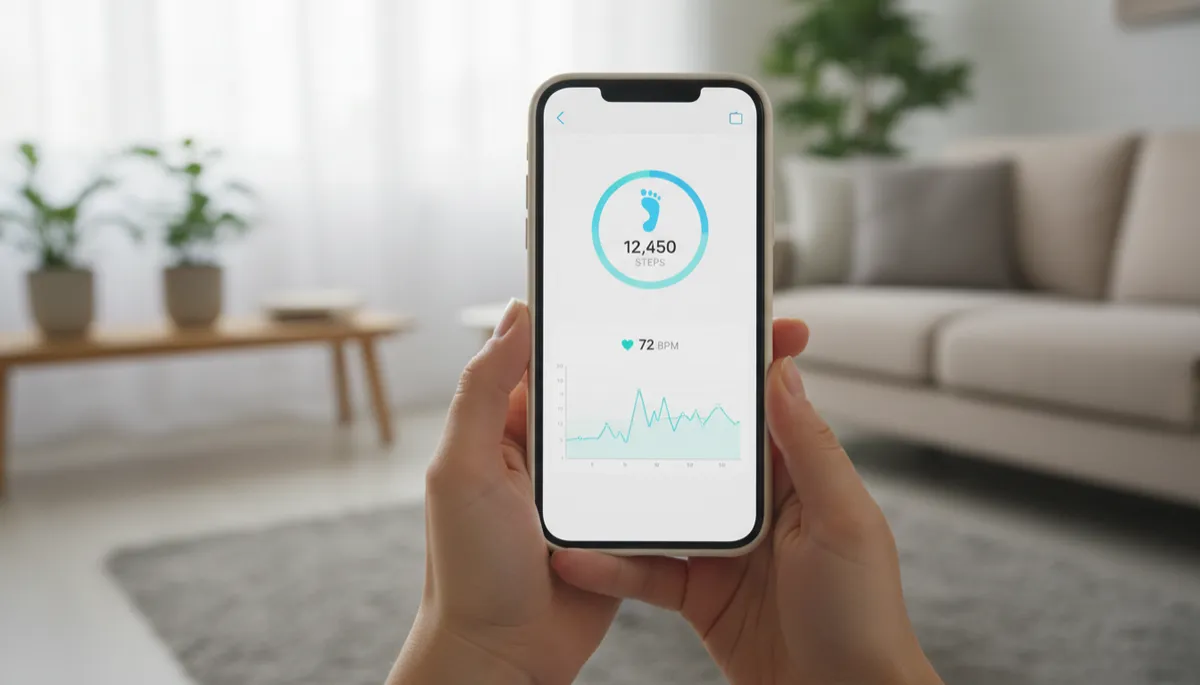
Simple daily tracking builds a powerful foundation for personal health experiments.
Step 2: Find Trustworthy Open-Source Biohacking Communities
Once you’ve started collecting your own numbers, it’s time to look outward. There are many communities where people in America share citizen science health insights, from sleep experiments to fasting protocols. You’ll find forums, public Google Sheets, GitHub repositories, Discord groups, and nonprofit projects dedicated to open health data.
What to Look For in a Community or Dataset
Transparency: Clear explanation of what was measured, how it was measured, and for how long.
Sample size: More people and longer timeframes usually mean more reliable patterns.
Respect for privacy: Personal identifiers removed and clear consent for sharing data.
Balanced tone: Communities that encourage cautious experimentation and collaboration, not miracle claims.
When you find a project focused on something you care about, say, reducing late-night snacking or improving deep sleep, bookmark it. These citizen science health insights America projects can give you realistic expectations, such as how long it typically takes to see a change or which habits seem to help the most people.
💡 Friendly tip: If a community promises dramatic results with zero risk, treat that as a red flag. Good citizen science is honest about uncertainty and limitations.
Step 3: Compare Their Patterns With Your Reality
The real magic happens when you place your own data side-by-side with open-source biohacking datasets. You’re not trying to copy someone else’s exact results. Instead, you’re looking for patterns that might be worth testing in your own life.
A Simple Example: Evening Screen Time and Sleep
Imagine you find an open dataset from a group of Americans who tracked their screen time after 8 p.m. and their sleep quality. Many of them notice that when they cut screens an hour before bed, they fall asleep faster and wake up less often. You can:
Check your own logs: Do you use screens late at night? How is your sleep on those days?
Try a small experiment: Two weeks with screens off one hour before bed, two weeks as usual.
Compare your results: Did your sleep ratings improve? Did you feel more rested?
This is how open-source biohacking data health becomes practical: real people share what worked for them, you test a version that fits your life, and then you keep what actually helps.

Small, testable changes make it easier to see what truly improves sleep.
Step 4: Turn Insights Into Gentle, Sustainable Habits
Data is only useful if it leads to actions you can actually live with. One of the biggest mistakes new biohackers make is trying to change everything at once, sleep, diet, exercise, supplements, and work routines all in the same week. That’s overwhelming, and it makes your data harder to interpret.
The “One Change at a Time” Rule
Pick one habit inspired by citizen science data, like adding a short walk after lunch or moving your bedtime earlier by 30 minutes.
Track it consistently for at least two weeks, ideally four.
Compare your “before” and “after” periods using the simple metrics you already collect.
This slow, friendly approach respects both your body and your schedule. It also makes your personal data cleaner, so you can see whether that new habit is truly helping or just adding stress.
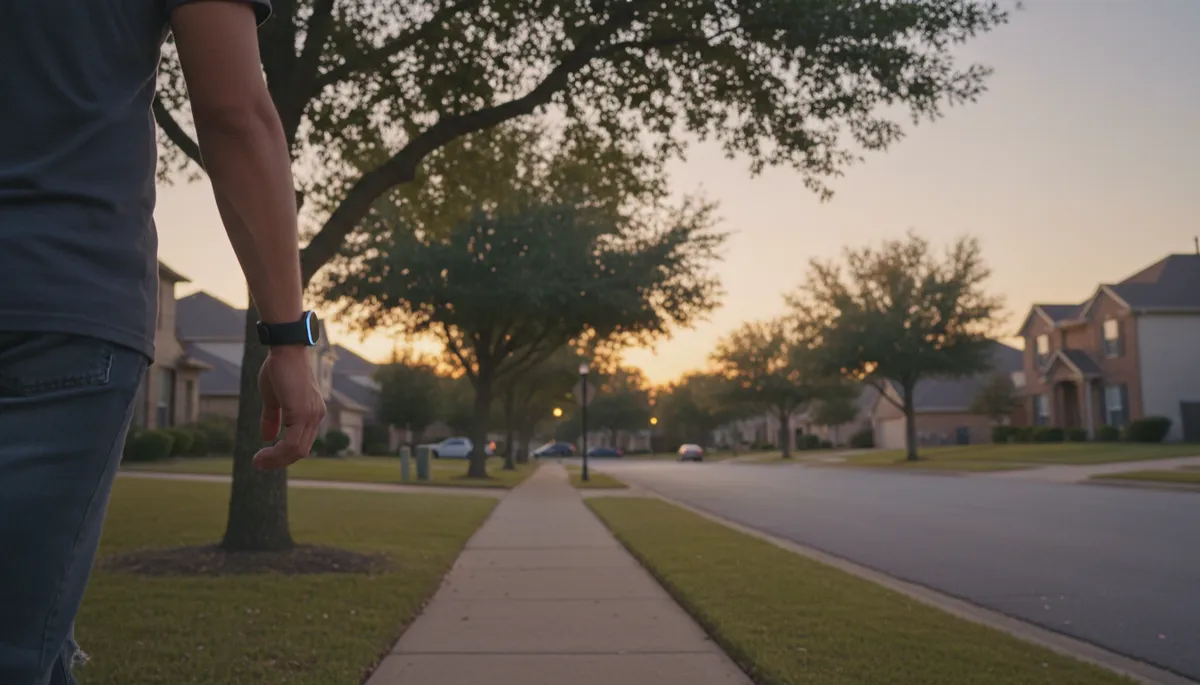
Gentle, repeatable habits are easier to track and more likely to stick.
Step 5: Share Back and Strengthen the Citizen Science Loop
One of the most rewarding parts of this journey is giving back. When you share your anonymized results, you’re contributing to the growing pool of citizen science health insights America relies on to understand real-world behavior, not just what happens in controlled clinical settings.
How to Share Responsibly
Remove names, addresses, and any other identifying details before posting your data.
Clearly describe what you did, for how long, and what you measured.
Be honest about limitations: “This worked for me, but your mileage may vary.”
When more people in the USA take part in DIY health data tracking and share their results, patterns become clearer. Over time, this open-source approach can highlight which lifestyle tweaks are most likely to help large groups of people, and which ones only work for a few.
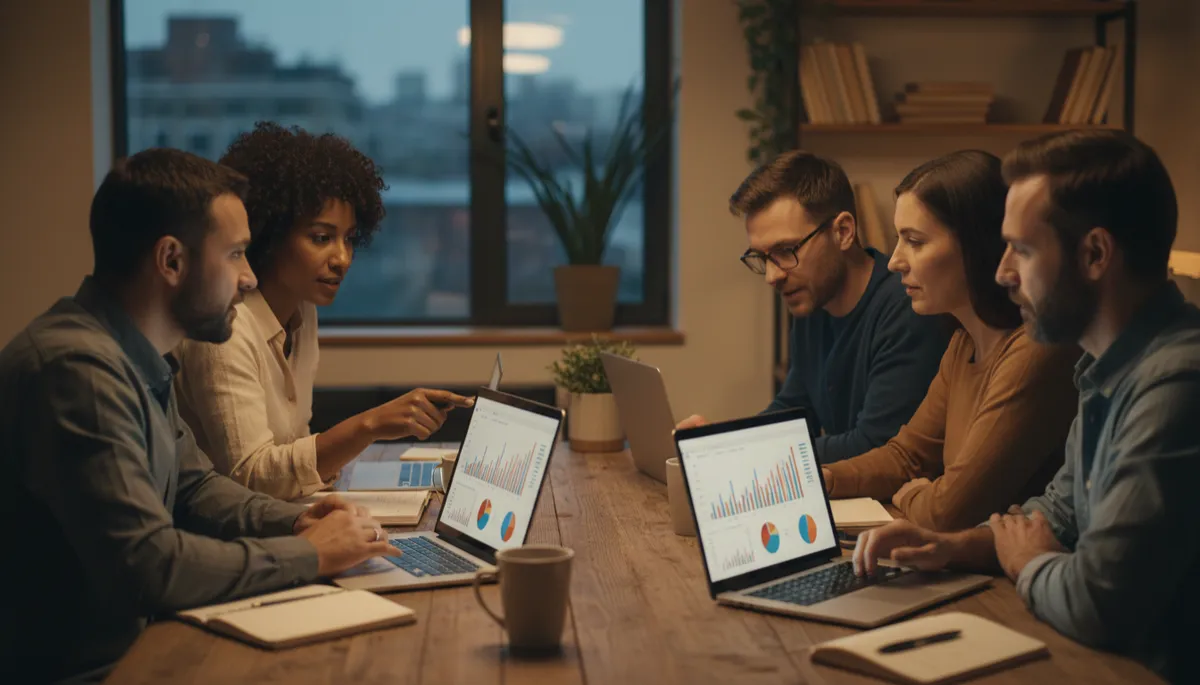
Sharing anonymized results turns personal experiments into collective health knowledge.
Staying Safe and Sane While You Experiment
It’s easy to get excited about new ideas, especially when you read stories of dramatic transformations. A friendly rule of thumb: if a change feels extreme, rushed, or scary, pause and talk to a healthcare professional first. This matters even more if you have chronic conditions, take medications, or are pregnant, nursing, or caring for kids.
Avoid making big changes to medications or medical treatments based on citizen data alone.
Bring your logs to your doctor or therapist, they can often spot patterns you might miss.
Remember that rest, joy, and connection are just as important as numbers and charts.
⚠️ Gentle caution: If tracking starts to feel obsessive or stressful, it’s okay to step back. Your mental health matters more than a perfect dataset.
Bringing It All Together
Using open-source biohacking data to improve your health doesn’t require a lab coat, a PhD, or expensive gadgets. It’s about combining three simple pieces:
Your own DIY health data tracking, sleep, movement, food, mood, and more.
Community-driven citizen science health insights from people across America who share their experiments openly.
Gentle, realistic habit changes that you test one at a time and adjust with the help of professionals you trust.
As more people in the USA explore open-source biohacking data health resources, our shared understanding of what truly supports well-being becomes richer and more grounded in everyday reality. You don’t have to be perfect, and you don’t have to do everything at once. Start small, stay curious, and let the data, yours and the community’s, help you write a kinder, more informed story about your health.