


How to Track Your Biomarkers at Home Using Affordable DIY Devices
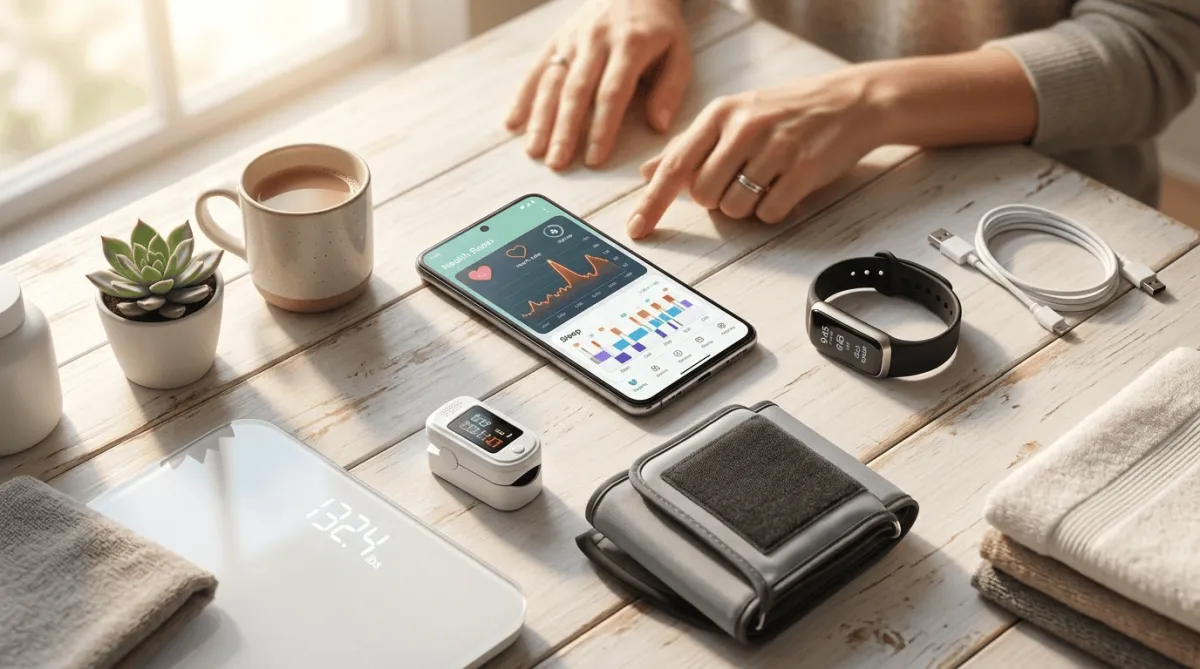
Let’s talk about something that used to be reserved for lab coats and annual checkups: tracking your own health data. Today, you can track biomarkers at home with simple, affordable gadgets that give you real-time insight into your body’s inner workings.
No fancy lab requisitions, no waiting weeks for results. Whether you’re curious about how your morning coffee spikes your blood sugar, or you just want to know if your sleep is actually restorative, the tools are now cheaper and easier to use than ever.
This isn’t about becoming a hypochondriac; it’s about empowerment. So grab a cup of tea, and let me walk you through everything you need to start DIY biomarker tracking without breaking the bank.
Why Bother to Track Biomarkers at Home?
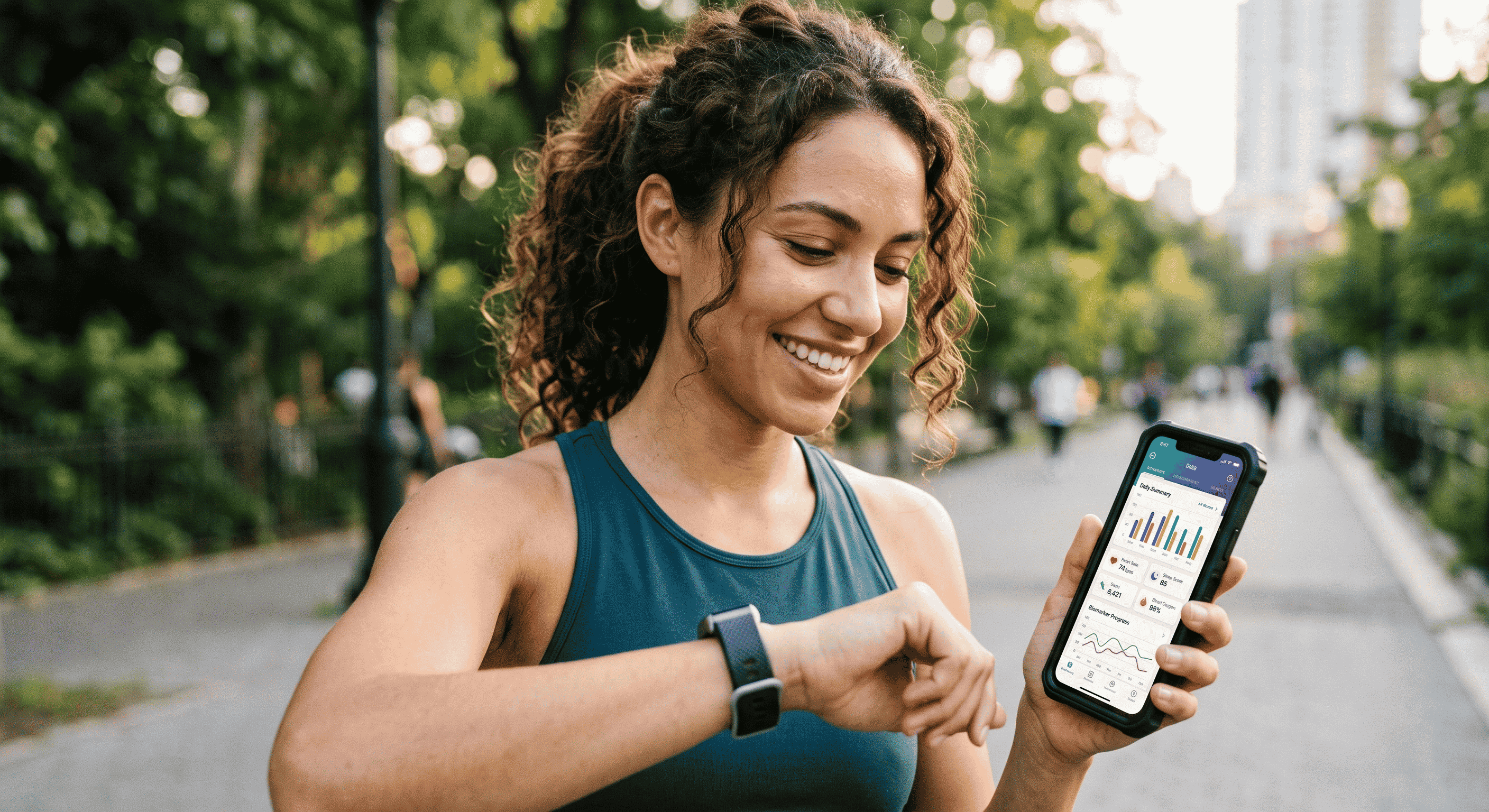
I remember the first time I saw my resting heart rate drop after a month of consistent morning walks. It wasn’t a number a doctor handed me, it was a number I’d watched evolve, day by day, on my own wrist.
That’s the quiet magic of home monitoring. When you track biomarkers at home, you stop guessing and start knowing.
Biomarkers are measurable indicators of what’s happening inside your body; things like blood pressure, heart rate variability, blood sugar, sleep stages, and even oxygen saturation.
Traditionally, getting a clear picture meant a doctor’s appointment, a lab draw, and a lot of waiting. Now, affordable health sensors put those insights right in your living room. You get real-time feedback on how your body responds to food, stress, exercise, and sleep.
That turns “I think my new diet is helping” into “My average fasting glucose dropped 8 points this month.” It’s not about self-diagnosis; it’s about building a personal owner’s manual.
The DIY Biomarker Tracking Movement Is Here to Stay
The shift toward DIY biomarker tracking isn’t a fringe trend. With the cost of sensors plummeting and smartphones becoming powerful health hubs, everyday people are building their own health dashboards.
You don’t need a medical degree, just a little curiosity and a willingness to pay attention. And when you combine these personal metrics with a broader perspective, like learning how to interpret standard lab results, you’re truly in the driver’s seat.
If you’re looking to decode those annual blood panels, check out our guide on [How to Interpret Your Blood Test Results]
The best part? Most of the devices we’ll talk about cost less than a family dinner out. You can start with a $20 pulse oximeter and a free app, and build from there.
Biomarkers You Can Actually Measure at Home
Let’s get concrete. These are the key vital signs and metabolic markers you can monitor without a clinic visit. I’ll keep it real. No overpromising, no medical device fiction.
Blood Pressure
Hypertension is called the silent killer for a reason. An automatic upper-arm cuff (validated by organizations like the American Heart Association) gives you systolic and diastolic readings in 30 seconds.
Morning and evening checks paint a trend that’s far more useful than a single white-coat measurement at the doctor. The CDC offers a great [step-by-step guide on measuring blood pressure accurately at home](https://www.cdc.gov/high-blood-pressure/measure/).
Resting Heart Rate & Heart Rate Variability (HRV)
Your resting heart rate is a broad snapshot of cardiovascular fitness; HRV zooms in on nervous system balance. A lower resting heart rate and higher HRV often signal better recovery and resilience.
Most wearables and even phone camera apps can capture these, giving you a daily readiness score. For a deep dive into why HRV matters and how to fine-tune your measurements, don’t miss our article [Understanding HRV: Why It Matters and How to Track It](/blog/hrv-tracking-guide).
Blood Glucose
Once reserved for diabetics, continuous glucose monitors (CGMs) are going mainstream. Over-the-counter options like the Dexcom Stelo (around $99 for a month’s supply) let you see in real time how oatmeal, a stressful meeting, or a brisk walk changes your blood sugar.
Finger-stick meters with affordable strips are another entry point. Even a week of CGM data can revolutionize how you think about food.
Sleep Duration and Quality
Wearables that estimate sleep stages aren’t perfect, but they’re surprisingly good at tracking total sleep time, wake-ups, and trends.
A 2020 systematic review on [wearable sleep tracking accuracy](https://pubmed.ncbi.nlm.nih.gov/32024974/) found that consumer devices can reliably measure sleep duration and efficiency when compared to polysomnography. Focus on consistency rather than obsessing over deep-sleep minutes.
Body Temperature & Oxygen Saturation
A simple thermometer and a pulse oximeter (the little clip you put on your fingertip) can alert you to illness early. SpO2 trends have become a staple in home monitoring, and the FDA maintains a helpful page on [home-use medical devices](https://www.fda.gov/medical-devices/home-use-devices/home-use-tests) so you know what to look for in a quality sensor.
Weight and Body Composition
Smart scales now estimate body fat percentage, muscle mass, and water weight via bioelectrical impedance. While the absolute numbers have a margin of error, the trend over months tells a clear story. Pair that with a tape measure and you’re golden.
Affordable Health Sensors to Kickstart Your DIY Biomarker Tracking
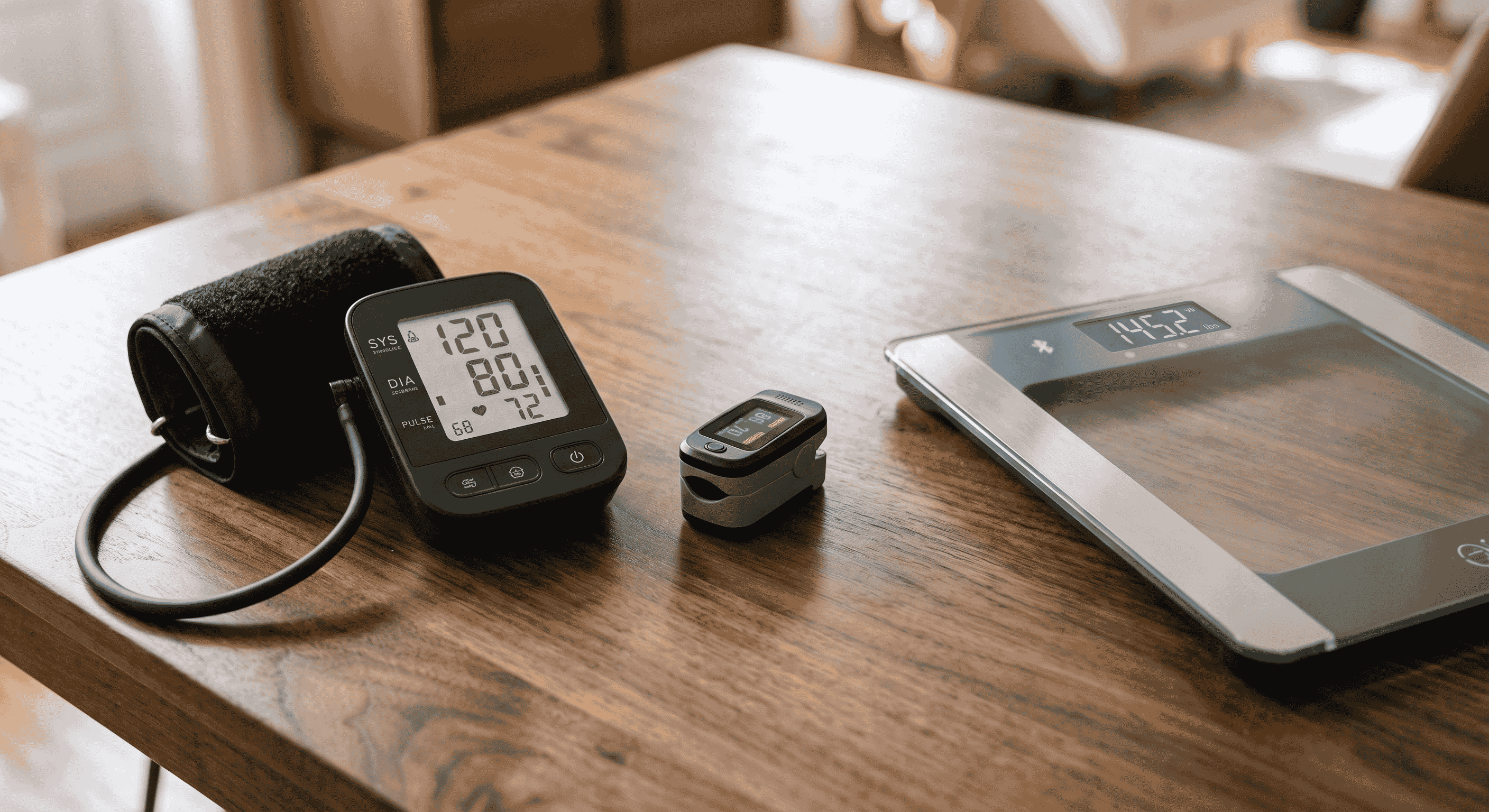
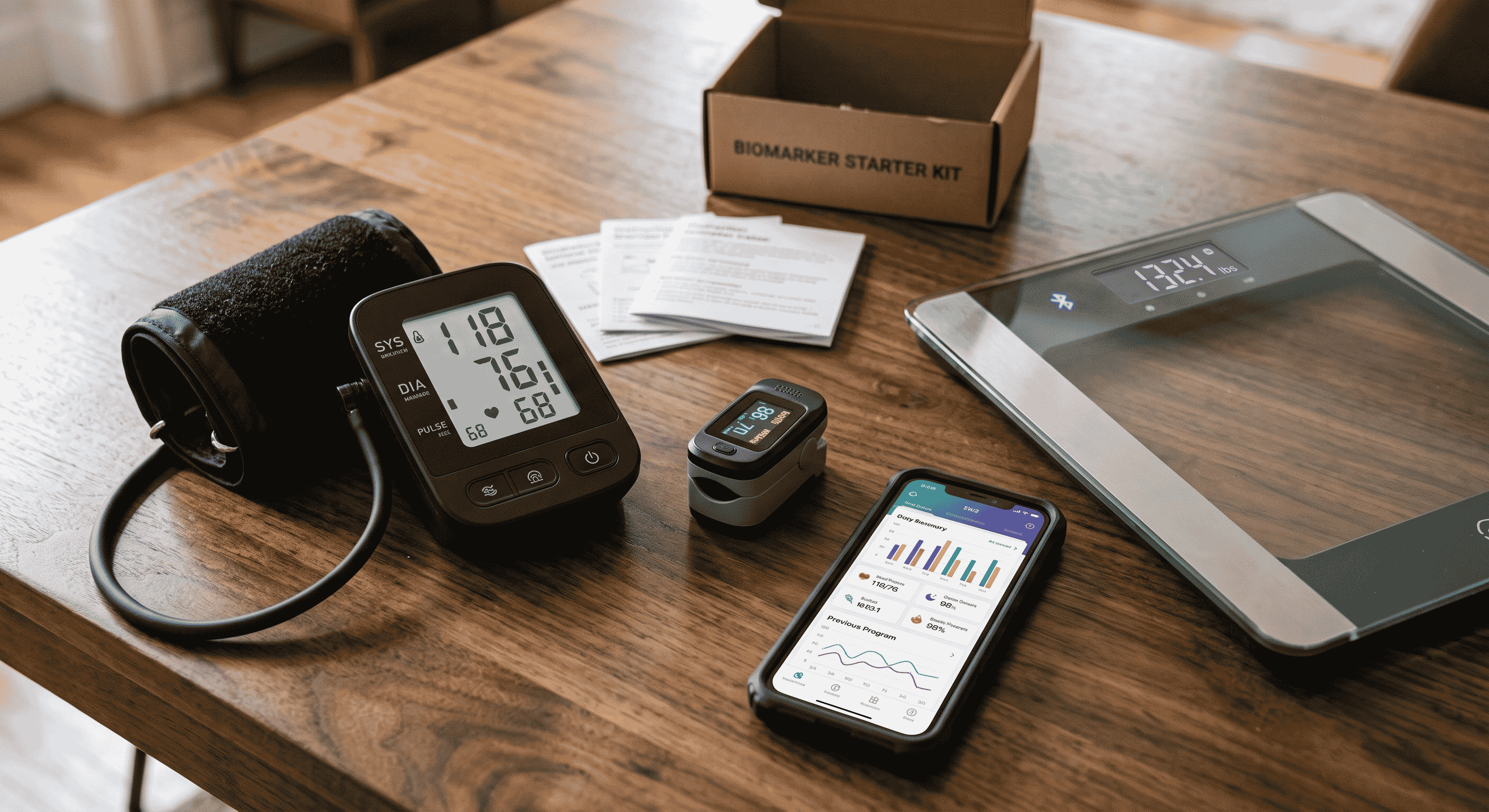
This is where affordable health sensors shine. You can build a complete starter kit for under $150. Here’s a realistic shopping list; all devices I’ve personally used or recommended to friends.
Blood pressure monitor: Greater Goods Bluetooth cuff (~$30). It validates against clinical standards and syncs with your phone.
Pulse oximeter: Zacurate fingertip SpO2 sensor (~$20). Quick, reliable, and the same type used in clinics.
Smart scale: Withings Body or Eufy Smart Scale (~$50). Tracks weight, BMI, and body composition trends in a clean app.
Fitness wearable: A used Fitbit Charge or Inspire 3 (often under $80) captures resting heart rate, HRV, sleep, and activity. If you already own an Apple Watch, you’re set.
Glucose monitoring: A basic finger-stick kit like Contour Next One runs about $30 with starter strips. If you’re ready to experiment with a CGM, the OTC Dexcom Stelo is around $99/month.
Free HRV apps: Welltory or HRV4Training use your phone’s camera flash to measure heart rate variability in 60 seconds—truly no-cost DIY biomarker tracking.
For those ready to go beyond wearables and look at blood markers from home, an at-home lab test kit can complement your sensor data. Our post on [A Beginner’s Guide to At-Home Lab Tests] walks through what to test and how often.
If heart health is your primary focus, I’ve also rounded up [The Best Affordable Wearables for Heart Health] so you can compare features without the sales fluff.
Building a Simple, Sustainable Tracking Routine
Data without rhythm is just noise. The secret to sticking with DIY biomarker tracking is to anchor it to existing habits. I do a 3-minute morning check-in before coffee: blood pressure, resting heart rate (pulled from my wearable), and a quick SpO2 reading.
Sunday evenings I step on the smart scale and log weight. A two-week CGM sensor becomes a fun experiment a couple of times a year, not a permanent attachment.
Pick three biomarkers to start. Track them at the same time each day. Use a simple notebook or an app like Apple Health or Google Health Connect to centralize everything.
The goal isn’t a perfect spreadsheet; it’s a conversation with yourself. Over time you’ll notice that your resting heart rate climbs after a night of cocktails, or your blood pressure dips on days you take a lunchtime walk. That’s the good stuff.
Making Sense of the Data: Patterns Over Perfection
One of the most common messages I get is, “I tracked my blood pressure for a week and one reading was high—should I panic?” Here’s the friend-talk you need: single numbers are liars. Bodies are dynamic.
When you track biomarkers at home, you’re playing the long game. Look for trends across weeks, not day-to-day spikes.
If you see something consistently out of range, say, a fasting glucose above 100 mg/dL every morning, or a resting heart rate that’s crept up 10 bpm over a month without a change in training, that’s a signal to get curious, not a reason to self-diagnose.
Context matters. A high HRV after a vacation is great; a low HRV after a week of insomnia is expected. Let the data empower you, not frighten you.
Watch Out for These Pitfalls When You Track Biomarkers at Home
Affordable health sensors are incredible, but they aren’t magic. There are a few traps I want you to dodge.
Obsession without action. Checking your SpO2 15 times a day because you’re anxious won’t change the number. Pick a measurement schedule that respects your mental health.
Comparing your numbers to someone else’s Instagram post. Your resting heart rate of 62 is not “worse” than your friend’s 48. Genetics, age, and fitness background rule. Your only competition is last month’s you.
Ignoring device limitations. A wrist-worn HR sensor during boxing will be garbage. A pulse oximeter on cold fingers or dark nail polish may read low. Follow the manufacturer’s instructions and remember these are consumer tools, not medical-grade equipment.
Skipping the bigger picture. Tracking glucose is powerful, but if it’s causing food fear or orthorexia, step back. These tools serve you—not the other way around.
When to Loop in a Professional
I’m a huge advocate for DIY biomarker tracking, but there’s a clear line: this does not replace a clinician.
If you spot a trend that worries you; persistent high blood pressure, erratic heart rhythms flagged by your watch, unexplained weight loss; that’s your cue to call a doctor.
Bring your data to the appointment. A smart physician will appreciate a month of morning blood pressure readings far more than a single anxious in-office measurement.
Think of yourself as a data-informed teammate, not a lone ranger. The best outcomes happen when your home insights meet medical expertise.
Key Takeaways
Let’s land the plane with the essentials.
You can track biomarkers at home affordably using a small collection of validated sensors—blood pressure cuff, pulse oximeter, wearable, and optional CGM.
DIY biomarker tracking works best when you focus on trends, not single snapshots, and anchor measurements to a consistent daily routine.
Affordable health sensors like a $30 blood pressure monitor or a free HRV app deliver real value without a big budget.
Complement your sensor data with regular lab work and medical checkups; home tracking isn’t a substitute for professional care.
Start small, stay curious, and let the patterns teach you how your unique body responds to life.
If you have questions about building your own tracking stack, or you want to share a success story (I love those!), drop us a line at [email protected]. I read every message and would genuinely love to hear what you’re discovering.
Stay curious and kind to yourself.