


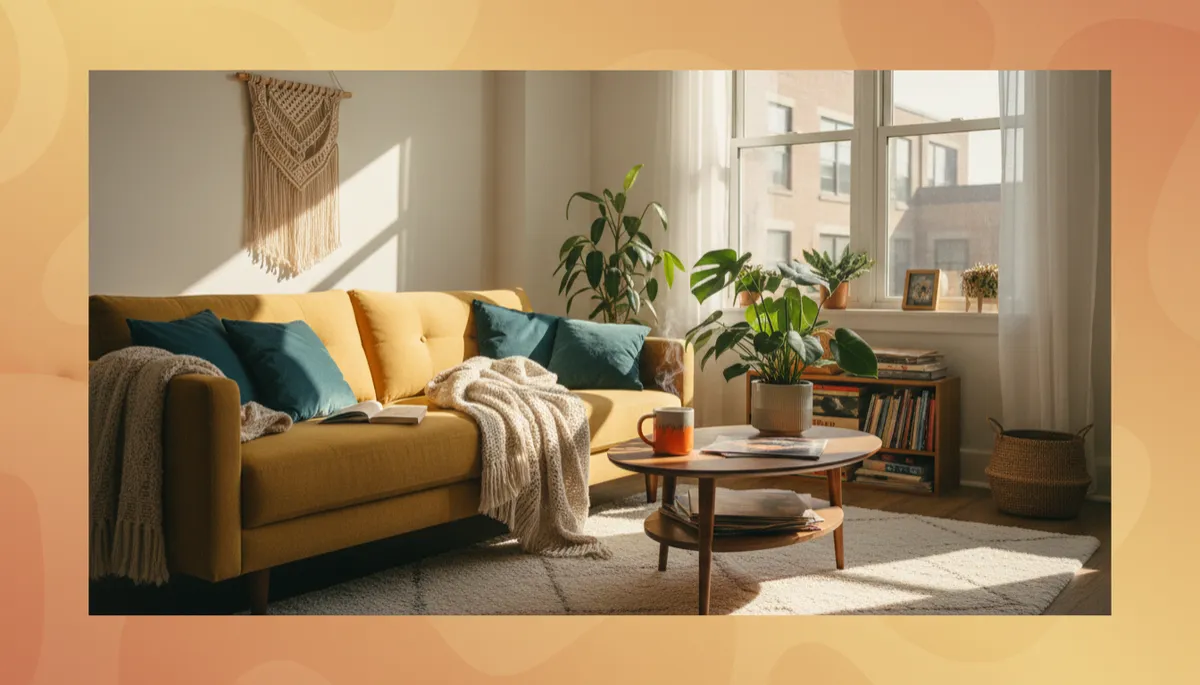
Embrace Slow Living in the City: Urban Minimalism Tips
Lifestyle, Slow Living, Urban Minimalism
How to Start Slow Living Without Moving to the Country
You don’t need a cottage, a chicken coop, or a field of lavender to begin a slow living lifestyle. Sometimes, the quiet life starts three floors up, with traffic humming below and a neighbor’s TV leaking through the wall.
The first time the idea of slow living landed in your lap, it might have come wrapped in images of misty fields, linen dresses, and sourdough starters resting on farmhouse counters. Beautiful, yes. Realistic, maybe not—especially when your mornings begin with subway delays and your view is more brick wall than rolling hill. Still, something about those stories tugged at you. You didn’t want their exact life; you wanted their pace.
The Morning Everything Felt Too Fast
Maybe it started on an ordinary Tuesday. You woke to the glow of your screen instead of the sun, thumb already scrolling before your eyes were fully open. Notifications stacked like bricks: emails, headlines, messages, reminders. By the time you reached the kitchen, your heart was already racing, and not because of the coffee you hadn’t made yet. That morning, you caught your reflection in the microwave door and thought, When did my life start running me?
That question is often where the slow living lifestyle truly begins, not in a move to the country, but in a moment of honest noticing. You don’t have to burn your to-do list or quit your job. You just have to be willing to ask: What if I lived today a little more on purpose and a little less on autopilot?
What Slow Living Really Means (Especially in a City)
Slow living is less about where you live and more about how you move through your days. It’s choosing depth over speed, presence over productivity for productivity’s sake. In the city, that doesn’t mean you stop moving quickly when you need to; it means you stop living mindlessly all the time. Urban slow living is the art of creating small pockets of calm in the middle of concrete, noise, and deadlines, and letting those pockets shape the way you show up in the rest of your life.
📌 Key Takeaway: Slow living isn’t about escaping your reality. It’s about inhabiting it more fully, even when that reality includes traffic, elevators, and a calendar full of meetings.
How to Start Slow Living: The First Quiet Experiment
The question isn’t whether you can move to the country; it’s how to start slow living right where you are. Think of it as an experiment, not a makeover. You don’t need to announce it online or buy a new wardrobe. You begin with one small moment and treat it as if it matters, because it does.
Choose one anchor moment. Maybe it’s your first sip of coffee, the walk from your front door to the bus stop, or the minute you sit on your bed at night before sleep. Decide that this moment will be your daily pause, your first step toward a slow living lifestyle.
Remove one layer of noise. For that moment, put your phone in another room, turn off the TV, or take out your earbuds. Give yourself the radical gift of single-tasking, just drinking coffee, just walking, just breathing.
Notice one real thing. The way the light hits your kitchen counter. The sound of a bus braking at the corner. The warmth of the mug in your hands. This is where urban slow living begins: in noticing what has been there all along.
Do this for a week. Don’t change anything else yet. Let your nervous system learn what it feels like to have one guaranteed pocket of slowness in your day, no matter how busy the rest of it is. This is how to start slow living in a way that actually sticks, small, steady, honest.
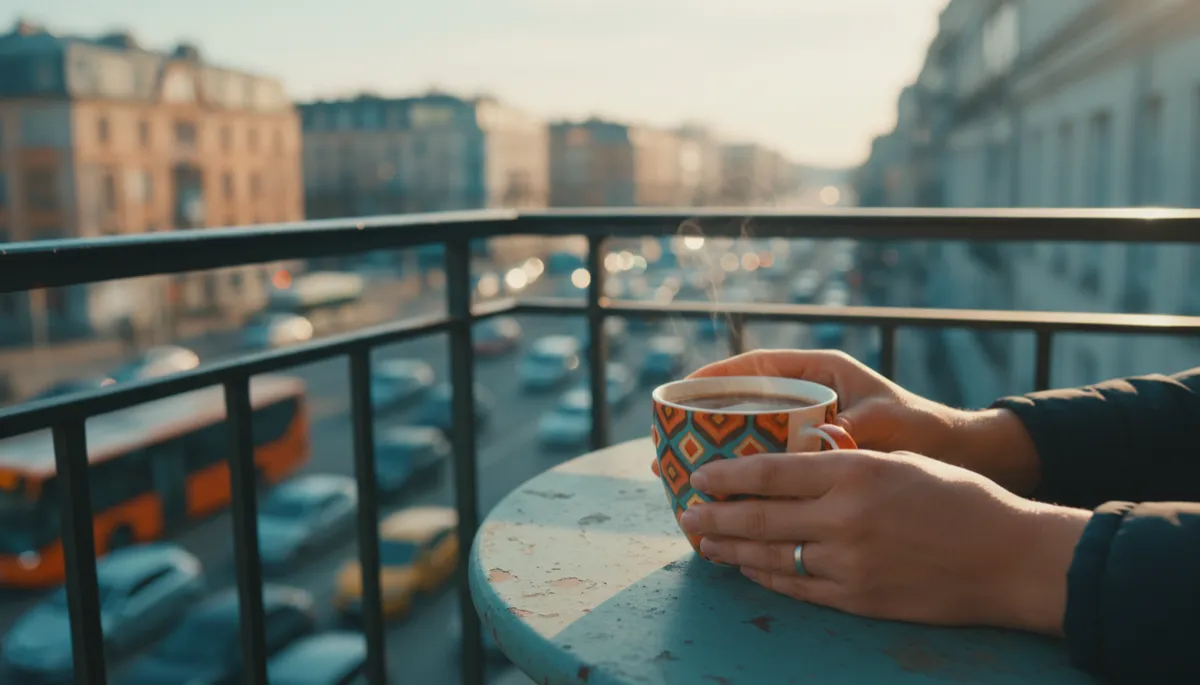
A single quiet ritual can anchor your entire day in intention.
Simple Living Ideas for Small City Spaces
When people imagine simple living ideas, they often picture sprawling gardens and pantries full of home-canned peaches. But simplicity can grow just as well on the twelfth floor as it can on a rural acre. It’s less about square footage and more about what you invite (or don’t invite) into your space and your schedule.
Create a “no-clutter corner.” Pick one surface, a nightstand, a coffee table, a kitchen counter—and declare it a clutter free zone. Keep only what you use and love there: a lamp, a book, a plant, a candle. This small act of order can feel like a deep breath every time you walk by.
Practice “one in, one out.” In tight city apartments, every new item has a cost in space and attention. When something new comes in—a sweater, a mug, a gadget—let something else go. Over time, you build a home that holds only what serves you.
Turn chores into rituals. Washing dishes by hand with the window open, folding laundry with music you love, sweeping the floor at the end of the day, these can be tiny ceremonies that ground you in your space instead of tasks you rush through on the way to something else.
💡 Pro Tip: When you’re unsure whether to keep something, ask: “Does this object earn its place in my small space and my mental energy?”
Urban Slow Living in Motion: Commutes, Errands, and Crowded Streets
Slow living doesn’t mean you’ll never run for a train again. Cities move quickly; that’s part of their charm. But you can still carry a slower, steadier rhythm inside you, even as you weave through crowds and cross busy intersections. Urban slow living is about transforming the in-between moments that usually disappear into distraction.
Imagine your commute. Maybe you usually fill it with frantic email replies or endless scrolling. What if, twice a week, you turned it into a moving meditation instead? You might look out the window and actually see the neighborhoods you pass every day. You might notice the regulars at your bus stop, the woman with the red scarf, the teenager with the sketchbook, the man who always reads a paperback. Suddenly, your city becomes less of a blur and more of a living, breathing story you’re part of.

Even crowded sidewalks can feel slower when you choose to really notice them.
Redefining “Enough” in a Culture of More
At its heart, a slow living lifestyle is a quiet rebellion against the idea that more is always better, more stuff, more plans, more hustle, more achievement. In cities, where advertisements glow from every surface and everyone seems endlessly busy, this rebellion can feel especially radical. But it can also feel deeply freeing.
You might start by asking yourself different questions:
Instead of “How much can I fit into this weekend?” ask, “What would make this weekend feel nourishing?”
Instead of “What should I buy to feel better?” ask, “What could I do with what I already have?”
Instead of “How do I keep up?” ask, “What pace actually feels kind to me?”
These questions slowly reshape your days. Maybe you say no to one social event and yes to an evening cooking a simple meal at home. Maybe you stop chasing every sale and instead invest in fewer, better things that last. Maybe you let yourself be “behind” on trends so you can be more present in your own life.
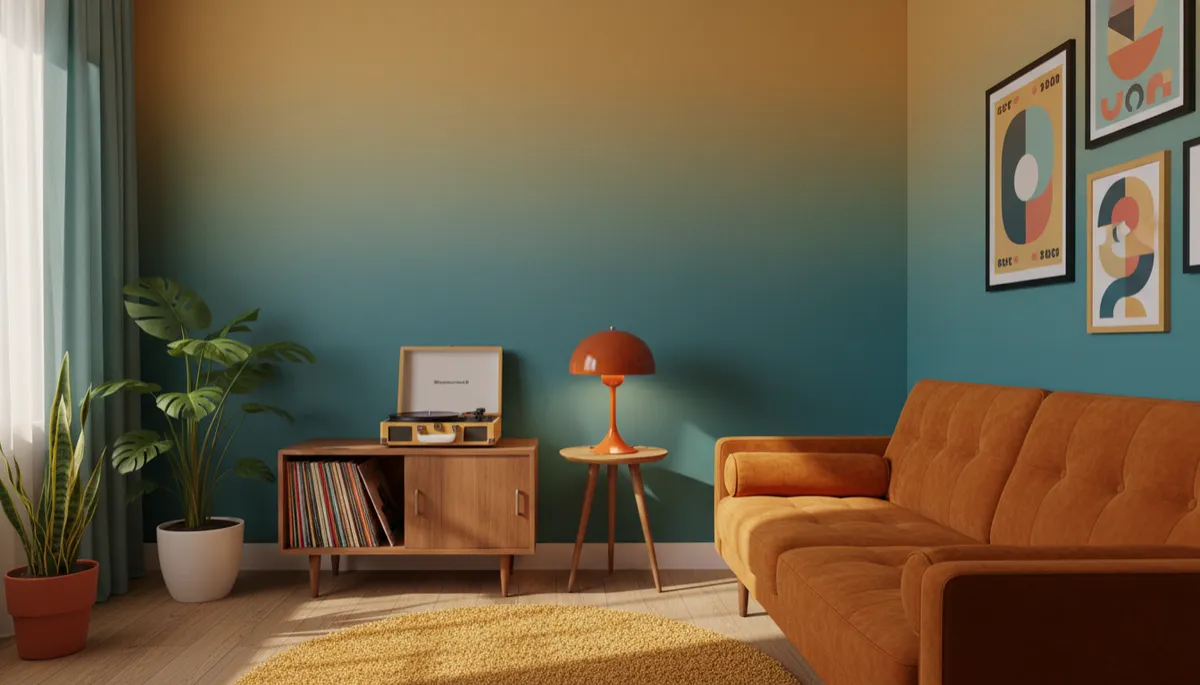
A slower home is less about size and more about what you choose to keep.
Letting Your City Support Your Slow Living Lifestyle
Ironically, the very things that make cities feel overwhelming can also support your slow living journey, if you approach them differently. The little café on the corner can become your unplugged reading spot. The park three blocks away can become your mini-retreat, even if you only have 20 minutes. The local market can invite you to cook more simply, with whatever is in season and close at hand.
Start to see your city as an ally instead of an enemy. Where can you walk instead of drive or ride, just once a week? Which independent shop could replace a rushed online order? What nearby green space, however small, could host your next slow Sunday morning or your lunch break?
📌 Key Takeaway: Urban slow living is not about pretending you live somewhere else. It’s about discovering pockets of gentleness in the exact city you call home.
Your Next Small Step Toward Simple, Urban Slow Living
One day, you may decide to trade your skyline view for a garden and a gravel road. Or you may never leave your fifth-floor walk-up, and still live a life that feels spacious, grounded, and deeply your own. The destination matters far less than the way you walk there.
Tonight, when you close your laptop or step off the train, consider this your invitation. Choose one simple living idea to try: clear one surface, walk one block without your phone, drink one cup of tea without multitasking. Let that be enough for now. This is how to start slow living, not with a dramatic escape, but with small, deliberate acts of kindness toward your own life.
The city won’t quiet down for you. The traffic will keep humming, the neighbors will still argue over the recycling, and the emails will continue to arrive. But inside your small apartment, on your familiar street, in the middle of your very real responsibilities, you can begin to live as if time is not a race but a river, and you finally remembered how to float.