


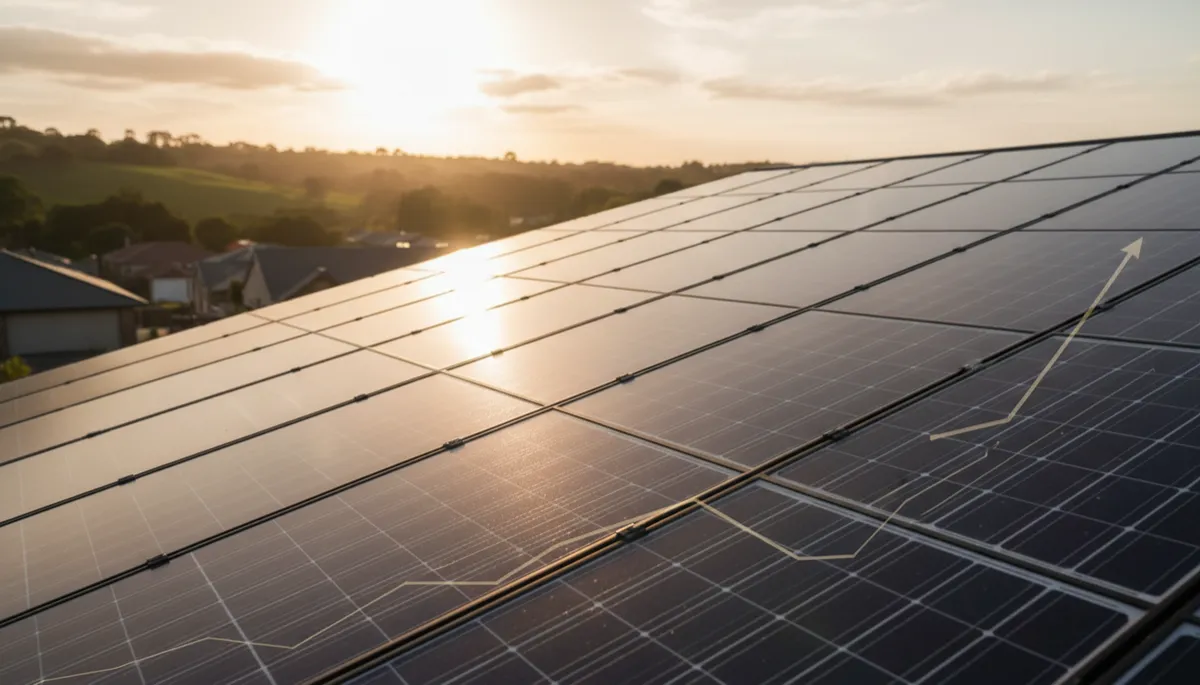
Solar Panels: Cost & Payback for Homeowners
Home Energy, Solar Panels, Personal Finance
Solar Panels for Homeowners: What They Cost and When They Pay Off
Thinking about solar panels for home but not sure what you’d really pay or how long it takes to break even? This friendly guide walks you through real 2026 numbers, the solar panel payback period, and how to decide if solar makes sense for your roof and your wallet.
Why So Many Homeowners Are Looking at Solar in 2026
If your electric bill has been creeping up, you’re not alone. Many households are turning to solar panels for home use as a way to take control of long‑term energy costs, reduce their carbon footprint, and add value to their property. At the same time, it’s a big purchase, closer to a kitchen remodel than a new appliance, so it’s normal to wonder whether the numbers truly add up.
The good news is that solar equipment has become more affordable than ever. Wholesale solar panel prices are around $0.27 per watt in 2026, according to Portlandia Electric’s price index, thanks to continued improvements in manufacturing and larger, more efficient panels. The full installed cost is higher, of course, but it’s trending down slowly year over year, even as labor and permitting remain significant pieces of the puzzle.
What Solar Panels for Home Really Cost in 2026
Let’s talk real numbers. Most homeowners don’t buy individual panels; they buy a complete system that includes panels, inverters, mounting hardware, wiring, and professional installation. In 2026, multiple sources put the national average installed cost between $2.50 and $3.50 per watt before incentives.
EnergySage reports an average of about $2.58 per watt, or roughly $18,000 for a 7 kW system, based on recent quotes.
SolarReviews finds around $21,800 for a 7.2 kW system (about $3.03/W).
ConsumerAffairs and Angi list typical ranges between about $18,000 and $27,000, depending on where you live and how complex the installation is.
Put simply, a “normal” residential system in 2026 usually falls between $15,000 and $25,000 before any incentives. A smaller home with modest energy use might be on the low end; a large home with high usage, a tricky roof, or premium equipment will land higher. Wood Mackenzie and SEIA data show residential pricing actually declined about 1.4% year‑over‑year, averaging around $3.36/W, so the trend is gently in your favor.
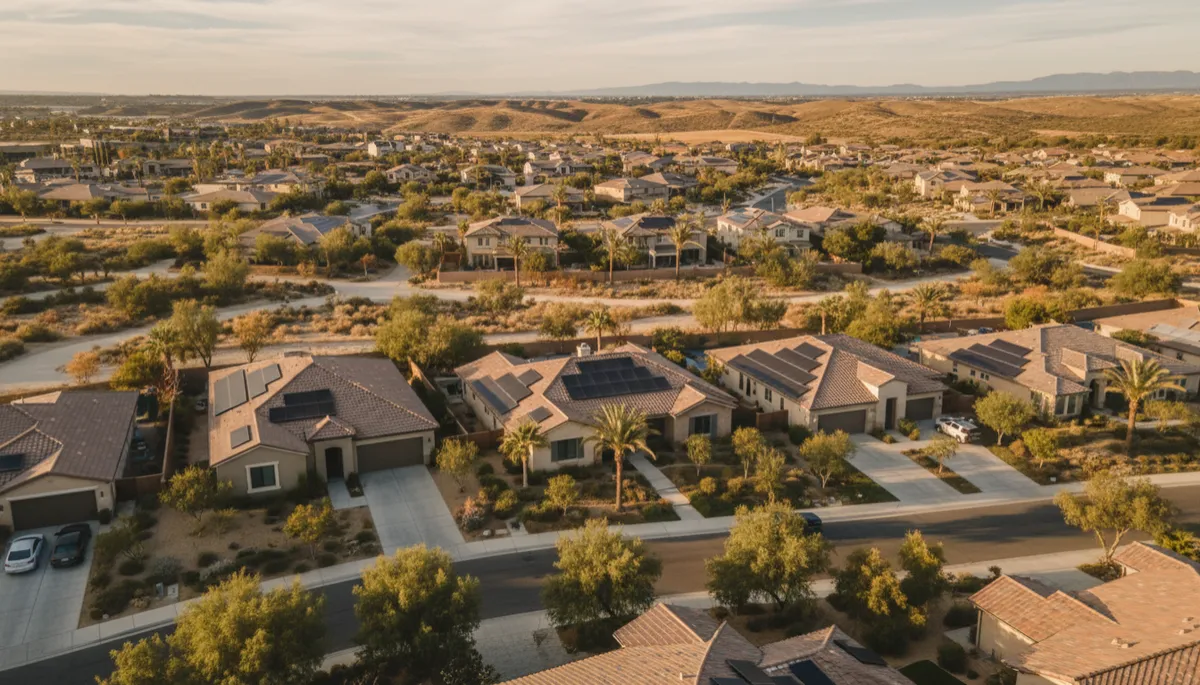
Typical home solar systems range from about $15,000 to $25,000 before incentives.
Incentives in 2026: What’s Still Available?
One big change homeowners need to know about: the popular federal Residential Clean Energy Tax Credit (often called the 30% solar tax credit) ended for systems installed after December 31, 2025. That means if you’re installing solar in 2026, you can’t count on that particular federal tax break to lower your cost, unless you’re carrying over unused credit from a 2025 installation by filing Form 5695, as explained by The Solar Book and the IRS guidance.
However, that doesn’t mean you’re out of luck. Many states and utilities still offer incentives such as:
State income tax credits (for example, Arizona has offered a 25% credit up to a capped amount).
Upfront rebates from utilities or state programs that reduce your out‑of‑pocket cost.
Performance‑based incentives or Solar Renewable Energy Credits (SRECs) in some markets.
Property and sales tax exemptions on solar equipment.
💡 Friendly Tip: Before signing a contract, ask each installer to spell out every current state, local, and utility incentive they’re including in their quote. Incentives can change mid‑year, so up‑to‑date information really matters.
If you go with a solar lease or power purchase agreement (PPA), the solar company may still claim a federal commercial tax credit and pass some of those savings to you in the form of a lower electricity rate. That can shorten your solar panel payback period compared with owning the system outright at full price, though you won’t build asset value in the same way.
Understanding the Solar Panel Payback Period
Now for the question most homeowners care about: when do solar panels pay off? The solar panel payback period is simply how long it takes for your cumulative energy savings (plus any incentives) to equal what you paid for the system. After that point, your panels are essentially generating “free” electricity, aside from minor maintenance.
Across the U.S., SolarReviews estimates the average solar payback period at around 8.7 years, but it can be as short as five years in places with high electricity prices and strong incentives, or stretch beyond twelve years in areas with cheap power and fewer programs. Your personal timeline depends on five big factors:
System cost: A lower installed price or generous incentives shorten the payback.
Electricity rates: The more you currently pay per kilowatt‑hour, the more you save with each unit your panels produce.
Sun exposure: Sunny states with good roof orientation generate more solar energy and faster savings.
Net metering or export rates: If your utility credits you close to the retail rate for excess power you send back to the grid, your payback improves.
Financing terms: Paying cash gives you the fastest payback, while long‑term loans spread out the benefit but may still be cash‑flow positive.
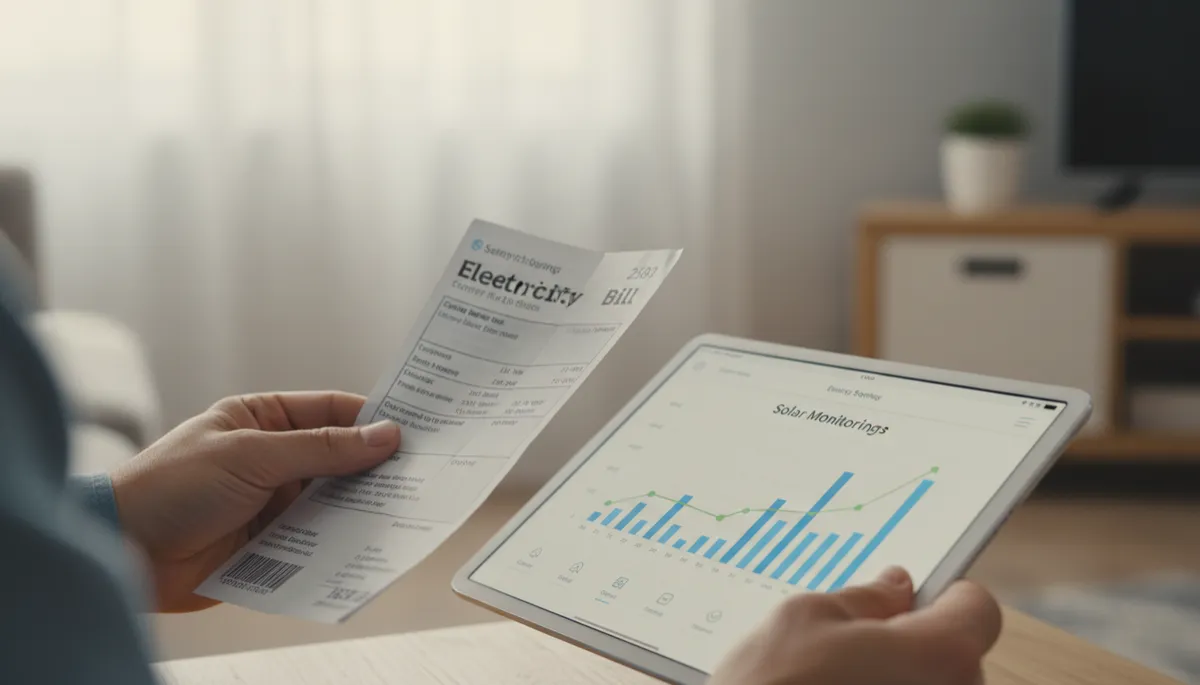
Many homeowners see solar payback in about 7–10 years, depending on rates and incentives.
A Simple Example: Will Solar Pay Off for You?
Let’s walk through a friendly, simplified example to see how the numbers might look in 2026. Imagine you install a 7 kW system at $3.00 per watt. Your total cost is: $21,000.
Suppose your roof gets good sun and your system produces about 10,000 kWh per year (a reasonable estimate in many states). If your utility charges $0.20 per kWh, your annual bill savings would be around $2,000, assuming strong net metering or similar credits.
System cost: $21,000
Annual savings: ~$2,000
Divide cost by savings and you get a solar panel payback period of about 10.5 years. If your state adds a $3,000 rebate, your net cost drops to $18,000 and your payback shrinks to roughly 9 years. If your rates rise over time (as they often do), your savings grow, and the real‑world payback can be even faster.
💡 Friendly Tip: Ask installers to provide a clear payback estimate and a low, medium, and high scenario based on different assumptions for future electricity prices. This makes it easier to compare quotes side by side.
Beyond Payback: Other Benefits of Going Solar at Home
While the solar panel payback period is important, it’s not the only reason homeowners choose solar panels for home energy. Here are a few extra perks that don’t always show up in the spreadsheets but still matter in everyday life:
Predictable energy costs: Locking in a portion of your power from the sun can make your monthly budget feel more stable, especially if your utility has a history of rate hikes.
Home value boost: Multiple studies have shown that homes with owned solar systems often sell for more than similar homes without solar, particularly in markets where buyers understand the savings.
Environmental impact: Even if you’re mainly motivated by savings, it’s a nice feeling to know you’re cutting your carbon emissions for decades to come.

Solar can add comfort, predictability, and long‑term value beyond monthly bill savings.
Is Now the Right Time for You to Go Solar?
Deciding whether solar panels for home use are worth it in 2026 comes down to your personal situation. If you have a sunny, mostly shade‑free roof, plan to stay in your home for at least 7–10 years, and face moderate to high electricity rates, there’s a good chance solar will pay for itself well within the panels’ 25‑ to 30‑year lifespan.
On the other hand, if you expect to move soon, have heavy shading from trees or nearby buildings, or live in an area with very low power costs and weak incentives, the solar panel payback period may be longer than you’d like. In those cases, you might explore community solar, a smaller system, or pairing efficiency upgrades with a future solar project when conditions are better.

A quick roof check and a few quotes can reveal whether solar is a smart next step.
Bringing It All Together
Solar panels for homeowners are no longer a fringe idea or a luxury upgrade; they’re a mainstream option for cutting long‑term energy costs. In 2026, you can expect to pay somewhere in the neighborhood of $15,000 to $25,000 for a typical home system before incentives, with average installed prices around $3 per watt. Even without the old federal tax credit, many households still see a solar panel payback period in the 7–12 year range, depending on local rates and incentives.
If you’re curious, the next friendly step is simple: gather your last 12 months of utility bills, use an online solar calculator, and request a few quotes from reputable local installers. Ask each one to explain their assumptions, your projected savings, and your estimated payback in plain language. With clear numbers in front of you, you’ll be able to decide whether now is the right moment to let the sun start working for your home, and your budget, for decades to come.