


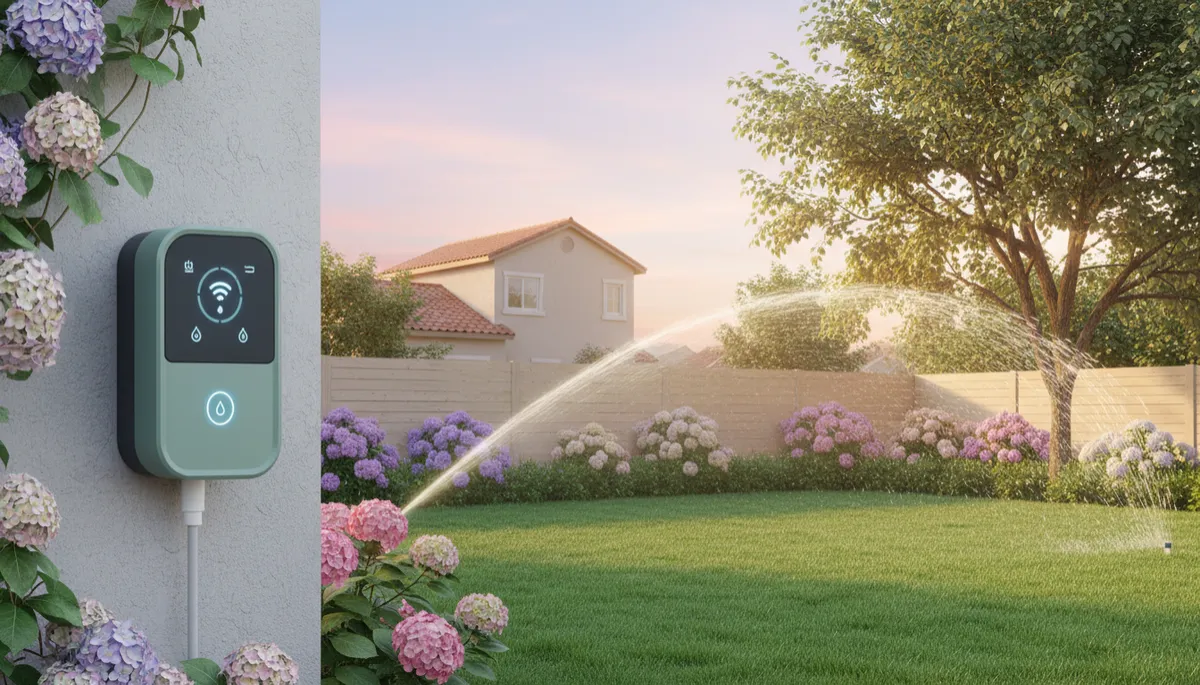
Smart Irrigation Controller for Small Yards
Home Improvement, Outdoor Living, Water Conservation
How to Choose a Smart Irrigation Controller for a Small U.S. Yard
Selecting the right smart irrigation controller for a small yard can significantly reduce water waste, keep your landscape healthier, and simplify day-to-day maintenance. This guide walks you through what to look for in a smart sprinkler controller tailored to a small lawn irrigation system in the U.S., from zoning and connectivity to weather data and local regulations.
Start with Your Yard: Size, Zones, and Plant Types
Before comparing features, take a close look at your yard. A smart irrigation controller for a small yard should match the actual layout of your outdoor space, not just generic assumptions. Walk your property and note the different areas that need watering: a small front lawn, a side strip of turf, a vegetable bed, or potted plants on a patio. Each of these may require separate scheduling, especially in hotter or drier U.S. climates.
Most residential controllers are organized by zones. For a small lawn irrigation system, you may only need 4–6 zones, but it is wise to confirm how many you actually have. If you expect to add a drip line for shrubs or expand a garden bed, consider a controller with a couple of extra zones beyond your current count. This ensures you will not need to replace the unit when your landscaping evolves.
💡 Pro Tip: Sketch a simple yard map and label each sprinkler or drip area by zone. Bring this with you when researching smart sprinkler controller options so you can quickly see whether a model fits your layout.
Key Features to Look For in a Smart Sprinkler Controller
Not all smart sprinkler controllers are created equal. When your space is compact, the right mix of features matters more than raw power or high zone counts. Focus on capabilities that directly support a small yard and a simple small lawn irrigation system while still offering flexibility and water savings.
Weather-based scheduling (ET or weather intelligence): Look for models that use local weather forecasts and historical data to adjust watering. For a small yard, skipping just a few unnecessary cycles can translate into noticeable savings on your water bill over a season.
Soil and plant settings: Advanced controllers let you specify soil type (clay, loam, sand), plant type (cool-season turf, warm-season turf, shrubs, flowers), and sun exposure. This level of detail helps prevent overwatering delicate beds while still giving grass enough moisture in hotter regions of the U.S.
Cycle and soak options: Small lawns often have compacted soil or slight slopes. The ability to break a long watering cycle into shorter bursts allows water to soak in rather than run off onto sidewalks or driveways.
Rain and freeze skip: Many U.S. municipalities encourage or even require rain sensors or automatic rain skip features. A controller that can pause watering after rainfall or during freezing conditions helps you stay compliant with local watering rules and avoid plant damage.
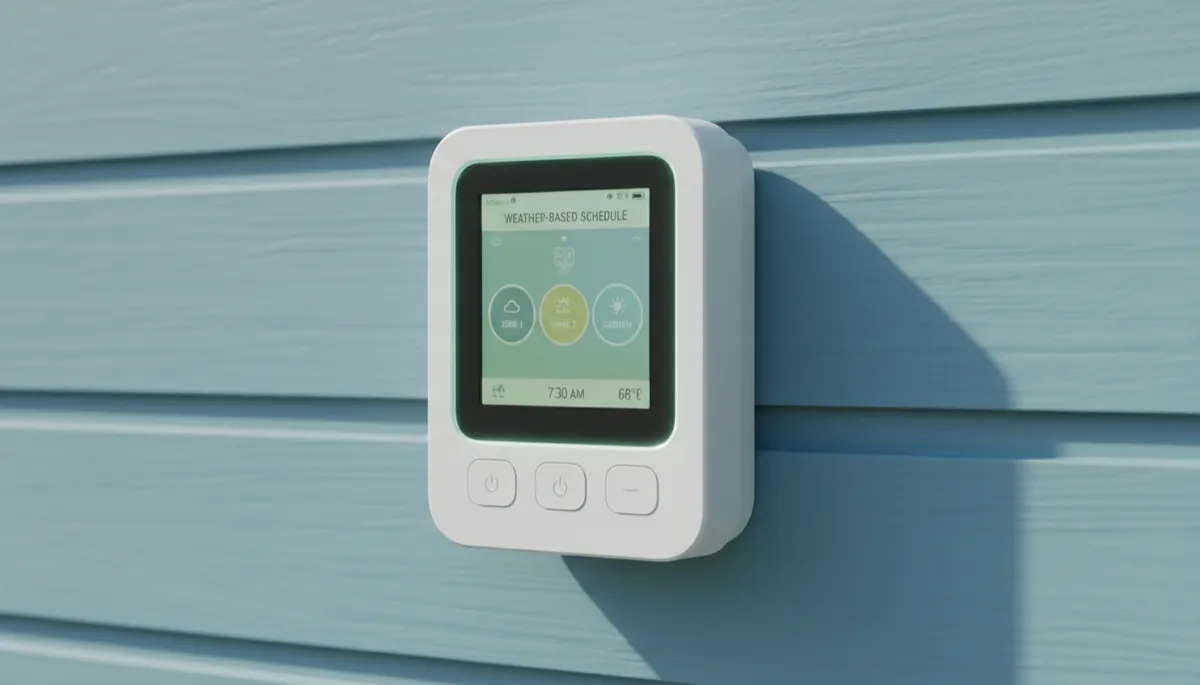
Weather-aware controllers fine-tune watering schedules automatically for compact suburban yards.
Connectivity, Apps, and Smart Home Integration
A defining benefit of a smart irrigation controller for a small yard is the ability to manage your system from anywhere. Most modern units connect via Wi‑Fi and offer mobile apps for iOS and Android. Review app screenshots and user reviews to ensure the interface is intuitive and that you can quickly make changes for a particular zone, such as temporarily increasing watering during a heat wave or pausing for a backyard gathering.
If you already use smart home platforms such as Amazon Alexa, Google Assistant, or Apple Home, check compatibility. Voice commands like “skip watering today” or “run backyard zone for 5 minutes” are particularly convenient when you are outside inspecting your sprinklers. For a small lawn irrigation system, this level of control may feel like a luxury, but it often leads to more attentive, efficient watering habits.
📌 Key Takeaway: Favor controllers with well-reviewed apps and reliable Wi‑Fi connectivity. Poor software can turn even a feature-rich smart sprinkler controller into a daily frustration.
Installation Considerations for Small U.S. Yards
Many homeowners feel comfortable installing a smart sprinkler controller themselves, especially when upgrading an existing timer. If your current controller is already wired and functioning, replacing it with a smart model is typically a matter of labeling wires, disconnecting the old unit, and connecting the new one according to the manufacturer’s diagram. Look for clear instructions, online videos, and strong customer support, particularly if this is your first irrigation project.
Pay attention to whether the controller is rated for indoor or outdoor installation. In many small U.S. homes, the irrigation controller is located in a garage or basement. An indoor model may be sufficient and often costs less. If yours is mounted outside near the main shutoff or backflow preventer, you will need an outdoor-rated housing or a unit designed specifically for exterior use, including weatherproofing and lockable covers.
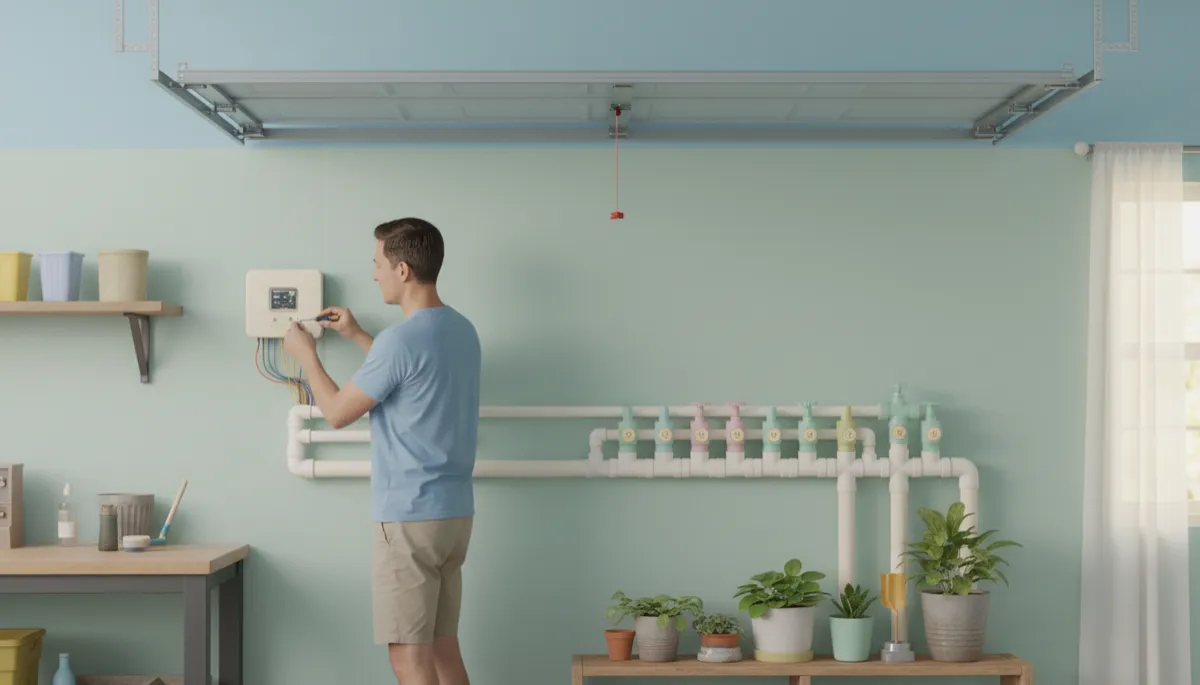
Replacing a basic timer with a smart controller is often a straightforward DIY project.
Matching Your Controller to Local Climate and Water Rules
Because this decision is for a small U.S. yard, it is important to factor in your regional climate and municipal watering restrictions. In arid Western states, for example, outdoor water budgets and specific watering days are common. Some smart irrigation controllers allow you to set local restrictions so the schedule automatically stays compliant. Others provide detailed water-use reports, which can help you monitor consumption for rebates or conservation programs.
In humid or coastal areas, disease from overwatering can be a bigger concern than drought stress. Controllers that adjust based on humidity, rainfall, and evapotranspiration data can keep a small lawn irrigation system from running when the soil is already saturated. Over time, this reduces fungal problems and promotes deeper root growth, even in small patches of turf or ornamental plantings.
Budget, Rebates, and Long-Term Value
Smart sprinkler controllers range in price, with many quality options for small yards in the mid-tier. When evaluating cost, consider not just the sticker price but the potential water savings over several seasons. Even modest reductions in watering can add up, especially in regions with higher water rates. Over three to five years, the controller may pay for itself purely through lower utility bills and reduced plant replacement costs.
Check with your local water utility or city government for rebate programs. Many U.S. municipalities offer incentives for installing WaterSense-labeled smart irrigation controllers. These rebates can significantly offset your initial investment, making a higher-quality model more accessible. Look for certifications such as EPA WaterSense, which indicate that the device has been independently tested for efficiency and performance.
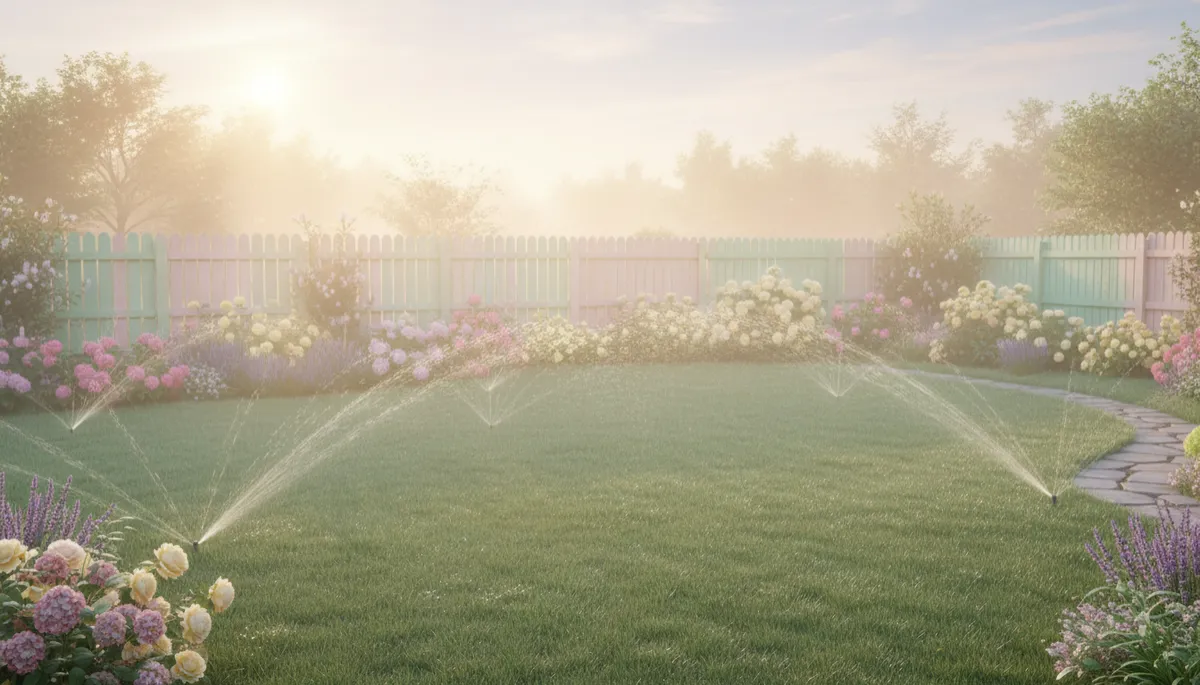
Well-tuned smart schedules keep compact lawns healthy while minimizing water waste.
Practical Selection Checklist for a Small Yard
To bring everything together, use the following checklist as you narrow down your options for a smart irrigation controller for a small yard:
Zones: Supports your current number of zones with at least one or two extra for future expansion of your small lawn irrigation system.
Location rating: Indoor vs. outdoor enclosure based on where your existing controller is mounted.
Weather intelligence: Access to accurate local forecasts, rain skip, and seasonal adjustments suited to your U.S. climate zone.
Smart home integration: Compatibility with your preferred ecosystem and reliable mobile app controls.
Compliance and rebates: WaterSense label or local utility approval to qualify for potential rebates or meet watering rules.
Conclusion: Smarter Watering for a Healthier Small Yard
Choosing a smart irrigation controller for a small yard is ultimately about balance. You want a device that respects the scale of your space while delivering meaningful improvements in convenience, plant health, and water efficiency. By understanding your zones, prioritizing weather-aware features, ensuring solid connectivity, and aligning with local regulations, you can select a smart sprinkler controller that feels tailored to your home rather than oversized or overly complex.
When thoughtfully configured, a modern controller becomes the quiet manager of your small lawn irrigation system, running short, precise cycles that match real-time conditions. The result is a greener, more resilient yard, fewer manual adjustments, and the confidence that you are using water responsibly in your community. With a clear plan and the right product choice, your small U.S. yard can enjoy the full benefits of smart irrigation technology season after season.