

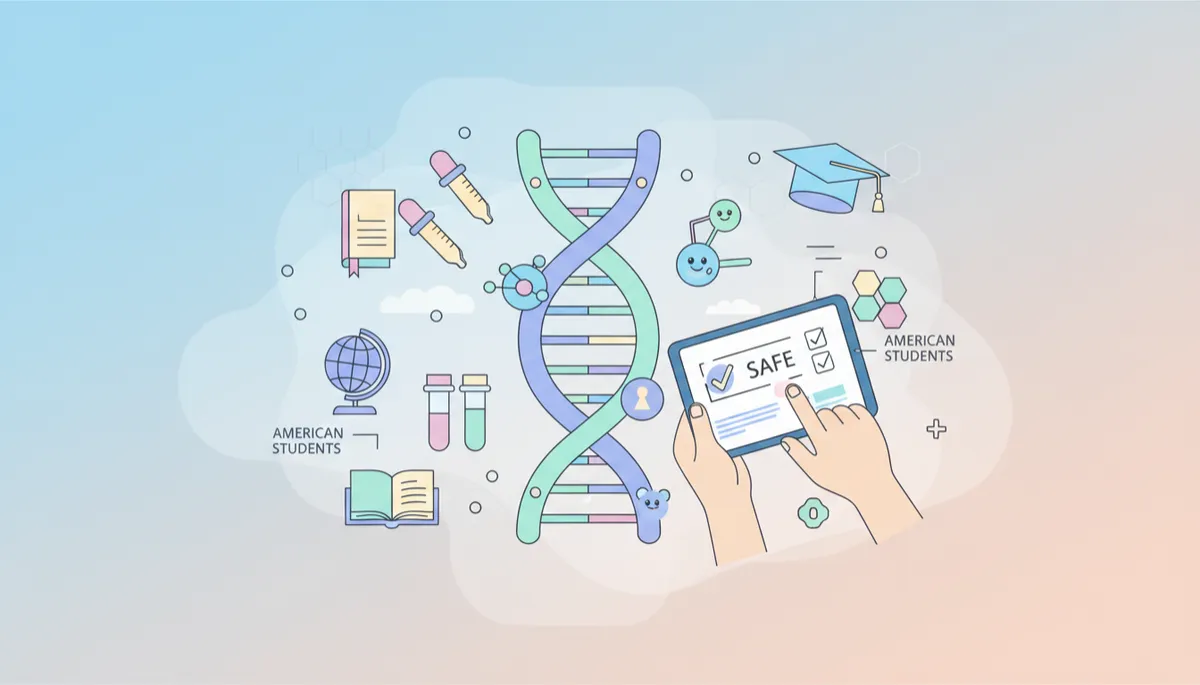
Safe DIY CRISPR Kits for Students & Hobbyists
STEM Education, DIY CRISPR, Biotechnology
Safe DIY CRISPR Education Kits for US Students and Hobbyists
How a new generation of DIY CRISPR education kits in the USA is turning kitchen tables and classroom benches into safe, small-scale genetics labs for curious minds of all ages.
The Afternoon That Changed How Maya Saw Science
On a quiet Saturday in Ohio, thirteen-year-old Maya cleared a space on the family dining table. The usual clutter of homework and cereal boxes gave way to something new: a small cardboard box labeled “DIY CRISPR Education Kit – USA Edition.” Her parents hovered nearby, half curious, half cautious. Gene editing, at home? It sounded like something out of a sci-fi movie, not a weekend project for a middle schooler.
Yet inside the box, there were no dangerous chemicals, no mysterious vials, just color-coded tubes, pre-measured reagents, dehydrated yeast cells, and a guidebook written in friendly, story-like language. The kit promised safe CRISPR learning in America, designed specifically so students could explore modern genetics without ever putting themselves, or anyone else, at risk. For Maya, it was the day science class stepped off the page and into her hands.
What Makes DIY CRISPR Education Kits in the USA Different?
As CRISPR became a buzzword in news headlines, a quiet movement was taking shape across the United States. Teachers, biohackers, and science communicators began asking a simple question: How can we turn this powerful technology into something understandable and responsible for beginners? The answer arrived in the form of carefully designed DIY CRISPR education kits USA programs, built not for professional labs, but for classrooms, community spaces, and kitchen counters.
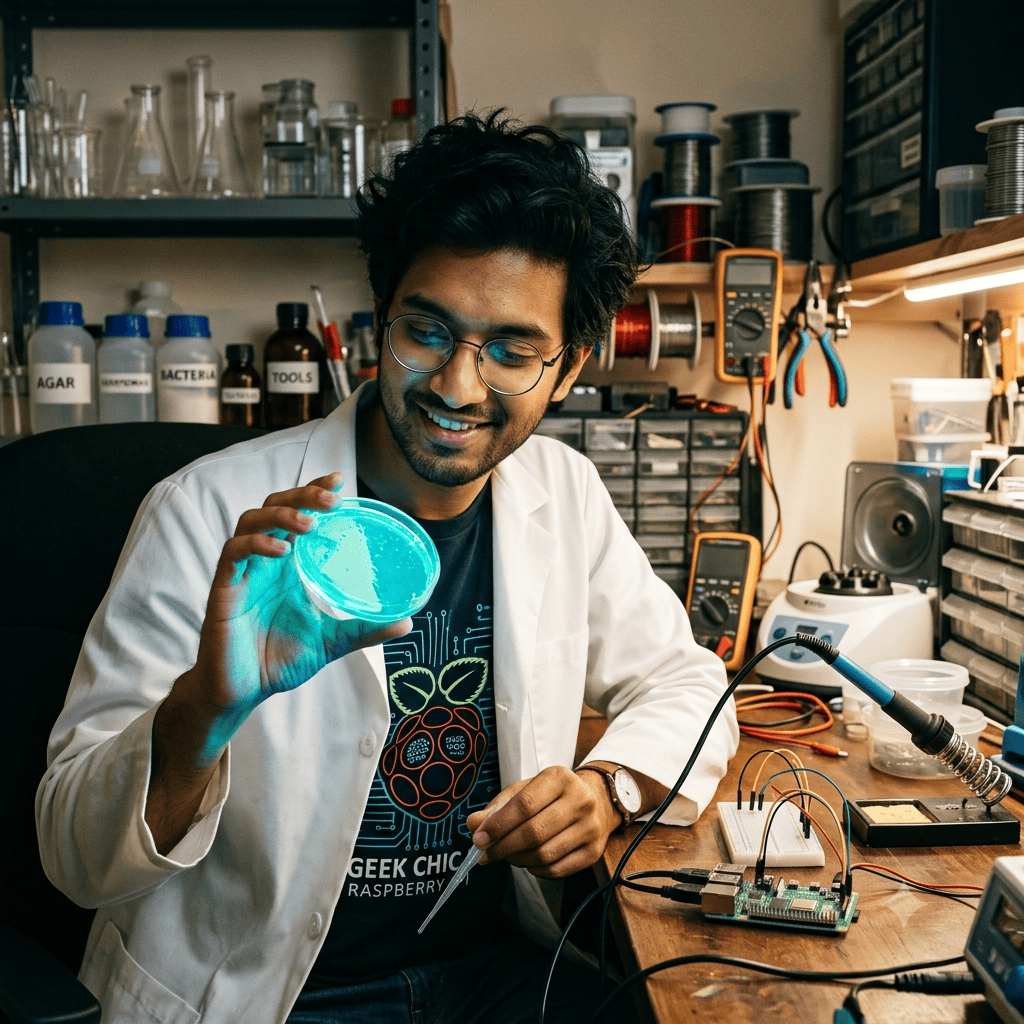
These kits focus on something surprisingly humble: microbes like yeast or harmless bacteria, often strains that have been used safely in teaching labs for decades. Instead of editing human DNA or anything remotely risky, students tweak a single gene that changes something visible, like turning colonies from white to red, or switching a cell’s ability to glow under blue light. The result is a dramatic, colorful transformation that tells a story: you changed the instructions of life, and you can see it.
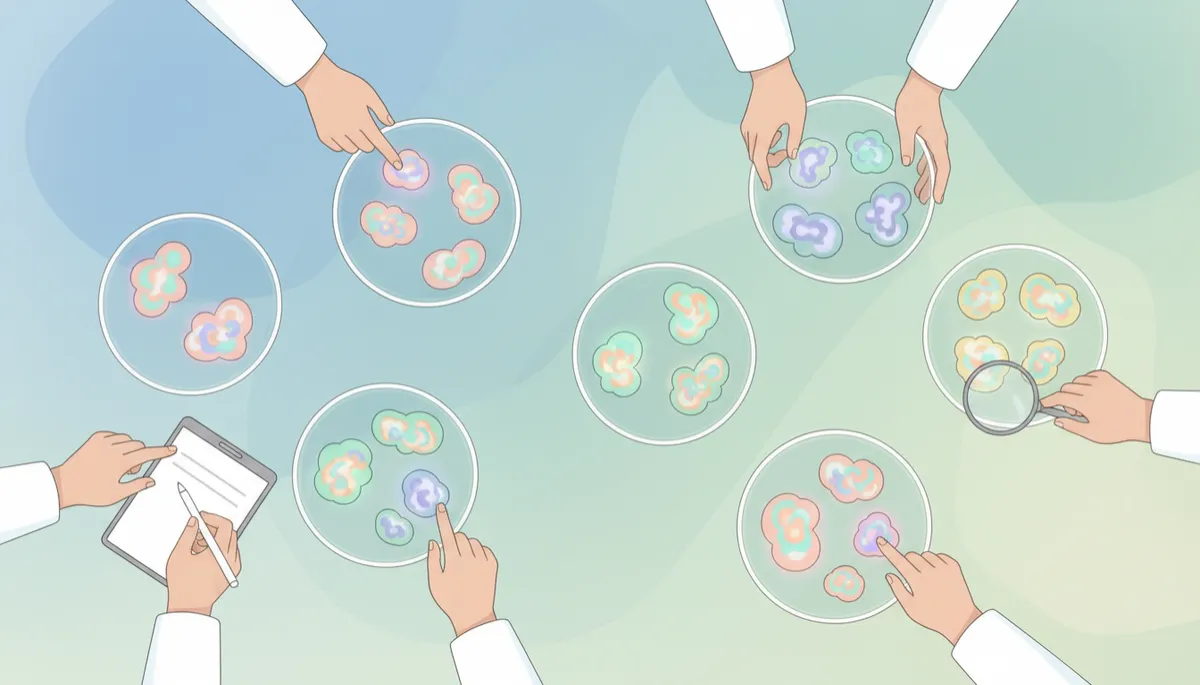
Simple color changes help students see the impact of CRISPR without complex equipment.
Safety First: How Kits Turn Big Science into Safe Exploration
The word “gene editing” can sound intimidating, especially to parents, school boards, or community leaders. That’s why the new generation of student gene-editing kits in the US is built with safety as the main character in the story, not an afterthought. Every component, every step, is chosen with one question in mind: Would I feel comfortable letting a curious teenager do this at home?
Most kits use Biosafety Level 1 organisms, the same category as baker’s yeast or common lab strains of E. coli that can’t survive outside controlled conditions. The CRISPR tools themselves are packaged in tiny, pre-aliquoted portions, so there’s no mixing of concentrated chemicals or handling of sharp glass. Many kits replace traditional lab gear with safer, plastic alternatives and color-coded labels that reduce the chance of mistakes. Safety goggles and gloves are recommended, not because the materials are dangerous, but to build good lab habits from day one.
💡 Pro Tip: When choosing a kit, look for clear safety statements, age recommendations, and alignment with US classroom standards. Good kits explain not just what to do, but why each safety step matters.
Inside the Box: What Learners Actually Do
When Maya opened her kit, she wasn’t greeted by dense paragraphs of jargon. Instead, the manual began with a short story about a “genetic sentence” inside every cell, and how CRISPR works like a pair of search-and-replace tools for the letters of that sentence. Only after the story came the step-by-step instructions, broken into short, manageable “chapters” of the experiment.
First, she learned how to pipette, carefully moving tiny droplets from one tube to another, like transferring words between pages.
Next, she combined the CRISPR “search tool” with a harmless yeast cell, aiming to switch off a gene involved in pigment.
Finally, after incubating the plates (and waiting overnight, the hardest part), she compared treated and untreated cells.
In the morning, the story had a visual twist ending: one plate dotted with pale colonies, another with richer color. The change was small, but the moment was big. For Maya, this was no longer abstract textbook science. This was safe CRISPR learning in America, right on her dining table, showing her that genetics wasn’t just for scientists in distant labs, it could be part of her own future.
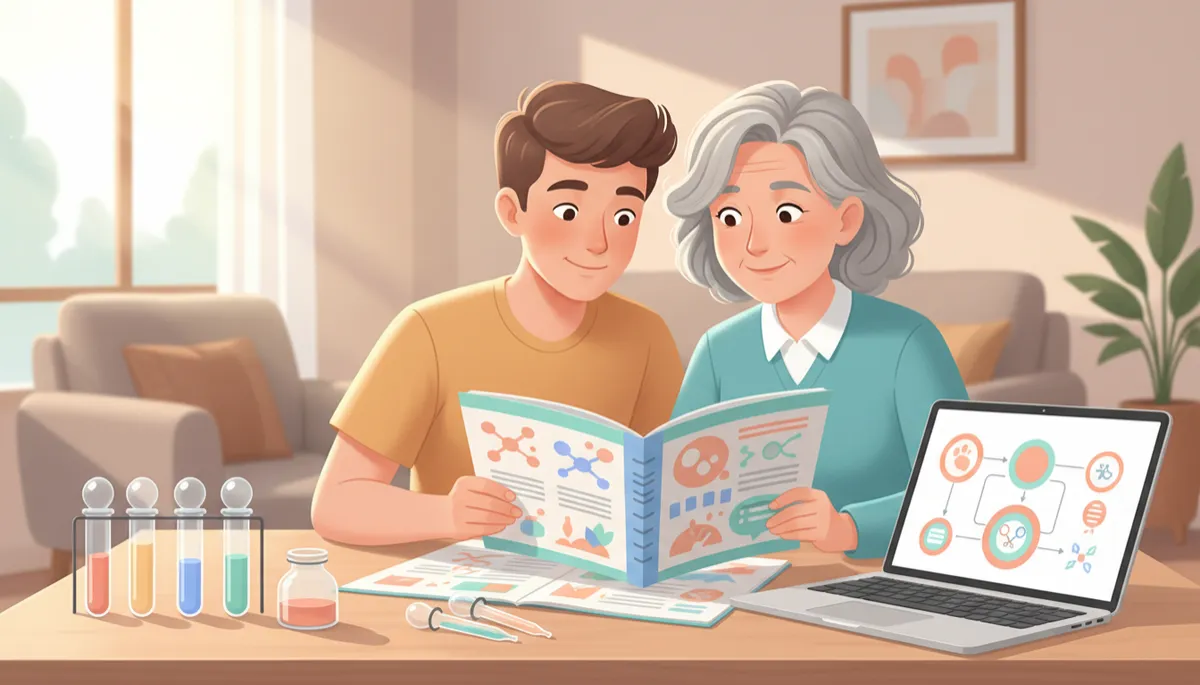
Clear, story-driven guides invite families to explore genetics together.
From Classrooms to Community Labs: Who Uses These Kits?
Maya’s story isn’t unique. Across the US, teachers are using DIY CRISPR education kits to bring their biology units to life. In public schools in California, AP Biology students run CRISPR labs alongside lessons on DNA replication. In rural districts in the Midwest, where access to advanced lab facilities is limited, a single kit can turn a standard classroom into a mini biotech hub for a week. And in after-school programs from Boston to Austin, hobbyist clubs and community bio-labs are welcoming adults who always wished they’d taken that genetics elective years ago.
These student gene-editing kits in the US are leveling the playing field. They don’t require expensive microscopes or industrial freezers. Many are designed to work with basic equipment, a warm incubator that could be as simple as a classroom heat block, and a well-lit desk. Some kits even integrate with smartphones, using camera apps to help students document their results and compare them with a digital gallery of experiments from other schools around the country.
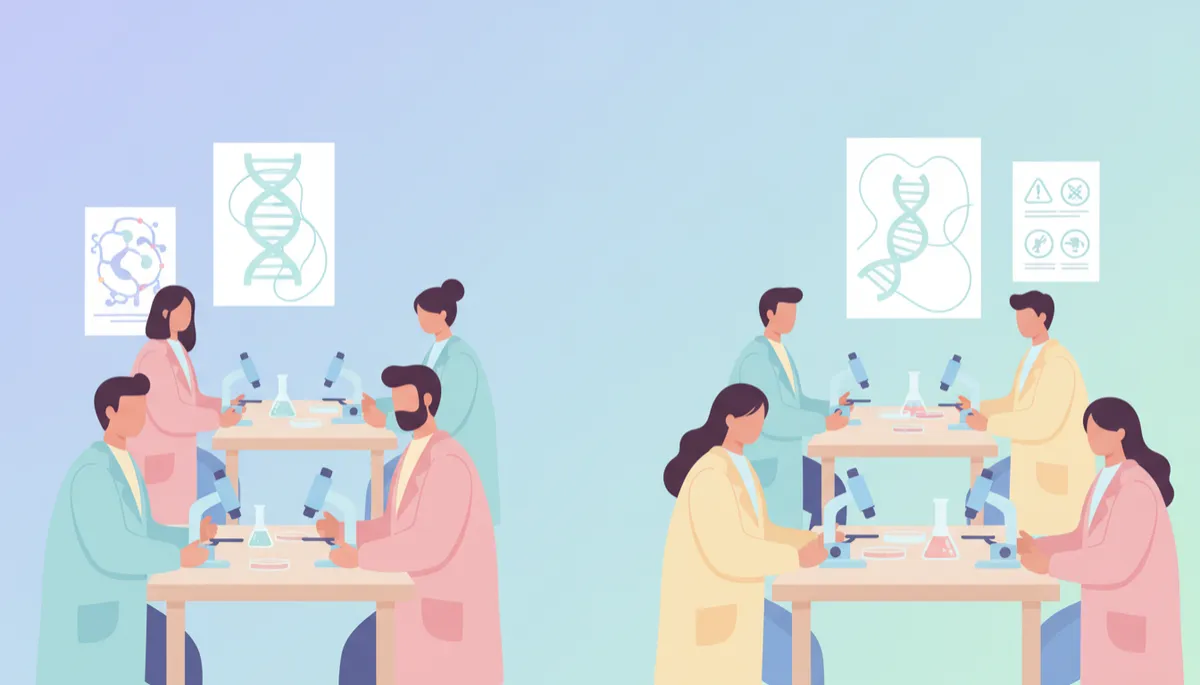
Community labs use CRISPR kits to make cutting-edge science accessible to everyone.
Ethics, Curiosity, and the Power of Saying “Let’s Talk”
Of course, any story about CRISPR has to grapple with the bigger questions: Should we edit genes at all? Who gets to decide? What happens when yesterday’s science fiction becomes today’s science project? The best DIY CRISPR education kits USA offerings don’t shy away from these questions, they invite them in.
Alongside the step-by-step protocols, many kits include discussion prompts, case studies, and short readings about real-world CRISPR applications, from sickle cell therapies to pest control. Teachers can use these to spark debates, asking students not only how to edit genes, but whether they should in certain situations. Hobbyists in community labs often gather after an experiment to talk about policy, equity, and the future of biotechnology. In this way, safe hands-on experiments become gateways to thoughtful, values-driven conversations.
📌 Key Takeaway: Safe CRISPR learning in America isn’t just about mastering a technique. It’s about nurturing informed citizens who can join the conversation about how gene editing should shape our shared future.
Choosing the Right Kit for Your Story
If you’re a parent, teacher, or curious hobbyist wondering where to begin, think of selecting a kit the way you’d choose a good book for a young reader. You’re not just buying materials; you’re choosing a story experience. Ask yourself:
Who is the main character? Middle schooler, high school student, or adult learner? Age-appropriate language and pacing matter.
What’s the plot? Does the experiment lead to a clear, visible result, like a color change or glow, that makes the story feel complete?
Is safety part of the narrative? Look for kits that explain not just what to do, but why each safety rule exists, and that use well-established, non-pathogenic organisms.
Are ethics and context included? The best kits connect the bench-top activity to the wider world of medicine, agriculture, and policy.
Looking Ahead: The Generation Growing Up with CRISPR at Their Fingertips
Years from now, Maya may not remember the exact name of the gene she edited, or the precise incubation time for her yeast plates. But she will remember what it felt like to hold a pipette and think, I can do this. That feeling of agency, curiosity, and responsibility, is the quiet revolution happening in homes, schools, and community labs across the country as DIY CRISPR education kits in the USA become more widely available.
Safe, accessible, and thoughtfully designed, student gene-editing kits in the US are rewriting what science education can look like. They turn passive learners into active experimenters, and by doing so, they invite more voices into the national conversation about biotechnology. In a world where CRISPR will continue to shape medicine, agriculture, and the environment, that invitation matters.
Somewhere, right now, another student is peeling back the tape on a fresh kit, eyes bright with anticipation. Another teacher is rearranging lab tables for tomorrow’s experiment. Another hobbyist is joining a community bio-lab meeting, ready to learn. Together, they’re writing a new chapter in the story of safe CRISPR learning in America, one careful pipette, one glowing colony, and one thoughtful conversation at a time.