

Regenerative vs Organic Gardening: Key Differences
Gardening, Regenerative Gardening vs Organic Gardening
Regenerative Gardening vs Organic Gardening: What’s the Difference?
If you’ve ever stood in a garden center clutching a tray of tomato starts and wondering whether you’re “organic enough,” “regenerative enough,” or just “confused enough,” you’re in the right place. Let’s unpack regenerative gardening vs organic gardening in a fun, simple way, no guilt, no gatekeeping, just good, dirty, soil-loving truth.
Organic vs Regenerative: Same Team, Different Game Plan
Let’s start with the big question: What’s the difference between organic vs regenerative gardening? Think of them as two friends at the same eco party. Organic gardening is the friend who says, “Hey, let’s stop using synthetic chemicals.” Regenerative gardening is the one who adds, “Cool, and while we’re at it, let’s actively heal the planet, rebuild soil, and invite every worm in town to move in.”
Organic gardening focuses on what you don’t use: no synthetic fertilizers, no chemical pesticides, no GMO seeds. It’s about avoiding the bad stuff and keeping your garden as natural as possible. That’s already a huge win for your health and the environment.
Regenerative gardening takes that organic base and says, “Let’s go bigger.” It’s not just about avoiding harm; it’s about improving the land, boosting biodiversity, increasing soil regeneration, and helping your little patch of earth soak up carbon and hold more water. In short, regenerative gardening wants your yard to be a tiny climate hero.
💡 Quick Take: All regenerative gardens are essentially organic, but not all organic gardens are truly regenerative.
The Core of Organic Gardening: Do No Harm (Mostly)
Picture classic eco gardening: compost bins, ladybugs doing pest control, and gardeners proudly reading ingredient labels like they’re plot twists in a mystery novel. That’s organic gardening in a nutshell, growing food and flowers while avoiding synthetic inputs and respecting nature’s balance.
No synthetic chemicals: Fertilizers, pesticides, and herbicides are either natural or not invited to the party.
Soil-friendly inputs: Compost, manure, and organic mulches help feed plants and soil life.
Less pollution: Fewer nasty chemicals washing into rivers and groundwater.
Organic gardening is a fantastic step toward eco gardening naturally. But here’s the catch: you can be organic and still unintentionally beat up your soil—say, by tilling it every spring like it owes you money, or leaving beds bare all winter.
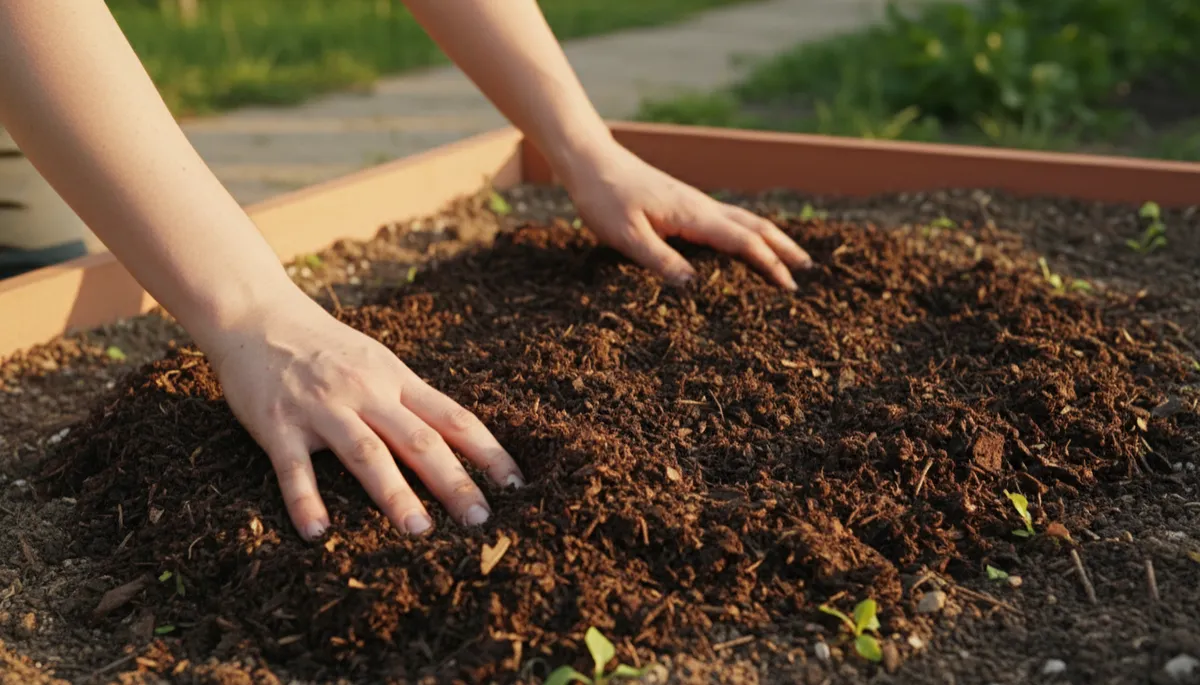
Compost is a hero in both organic and regenerative gardening playbooks.
The Heart of Regenerative Gardening: Heal and Rebuild
Regenerative gardening looks at your yard and asks, “How can this little patch actually make the world better?” It’s obsessed (in a good way) with soil regeneration, building soil that’s fluffy, alive, and buzzing with microscopic life forms too small to high five but powerful enough to feed your plants like champs.
Minimal disturbance: Less digging and tilling means soil organisms can build stable homes and underground highways.
Always covered soil: Mulch or living plants protect soil from sun, wind, and erosion—no “naked soil” allowed.
Diverse plantings: Mixing perennials, annuals, flowers, herbs, and cover crops turns your yard into a mini ecosystem.
Water-wise habits: Healthy soil holds more water, so you irrigate less and stress less when summer turns dramatic.
🌱 Fun Thought: In the regenerative world, soil isn’t “dirt” under your nails, it’s a living city, and you’re the city planner.
Regenerative Gardening vs Organic Gardening: Side-by-Side
Feature | Organic Gardening | Regenerative Gardening |
|---|---|---|
Main focus | Avoid harmful synthetic inputs | Restore and improve ecosystem health |
Soil approach | Feed soil with organic inputs | Build soil structure, biology, and resilience |
Tilling | Often allowed and common | Usually minimized or avoided |
Big-picture goal | Healthier food and fewer chemicals | Climate-friendly, biodiverse, resilient landscapes |
When you look at regenerative gardening vs organic gardening this way, you can see they’re not enemies. They’re more like “Level 1” and “Level 2” on your eco gardening journey.
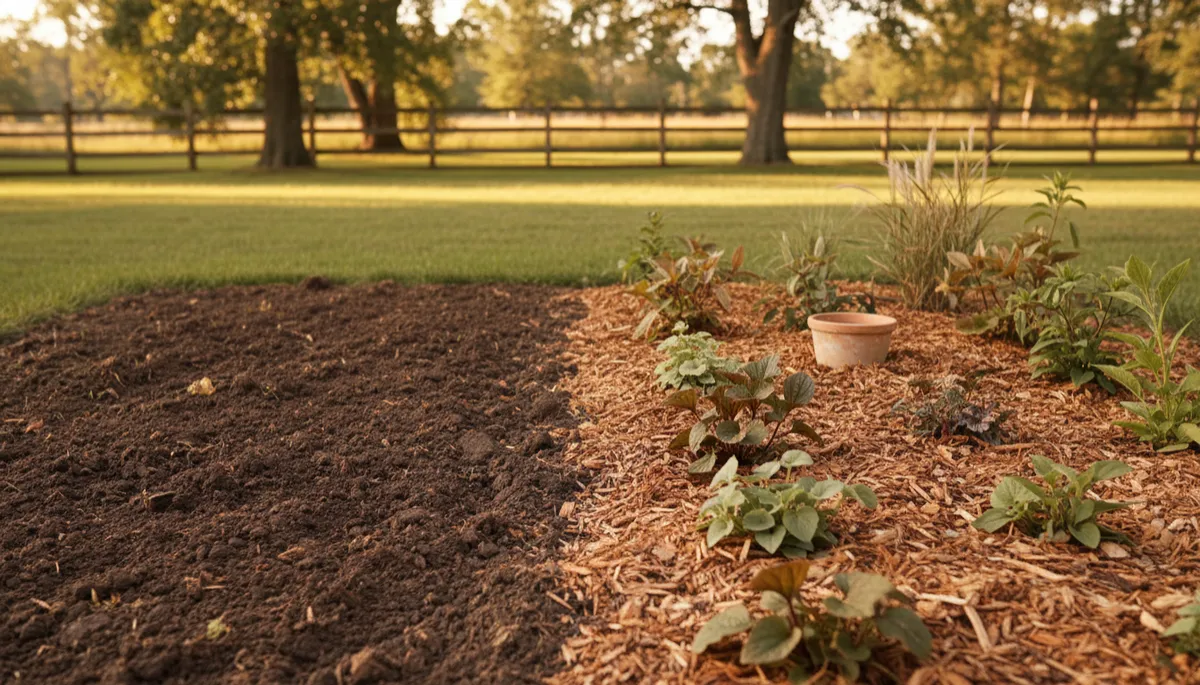
Regenerative beds stay covered and diverse, protecting soil all year long.
How to Make Your Organic Garden More Regenerative
Already gardening organically? Fantastic, you’re halfway to a regenerative wonderland. Here’s how to nudge your space from “organic vs regenerative” to “organic and regenerative,” without needing a degree in soil science or a tractor.
Quit over-tilling. Instead of turning the soil deeply every season, try broadforking, using a garden fork to gently loosen, or simply layering compost on top and letting worms do the heavy lifting.
Keep soil covered. Use straw, shredded leaves, or living groundcovers. Your soil should dress more like it’s going skiing and less like it’s going to the beach.
Plant for diversity. Mix veggies with herbs and flowers, marigolds, nasturtiums, and calendula are gorgeous and useful. More variety above ground means more variety in the soil food web below.
Add perennials. Berries, perennial herbs, and native plants create long-term roots that stabilize and feed your soil year after year.
Grow cover crops. In empty beds, sow clover, rye, or vetch. They protect soil, add organic matter, and some even fix nitrogen for free. It’s like giving your soil a spa day and a smoothie.
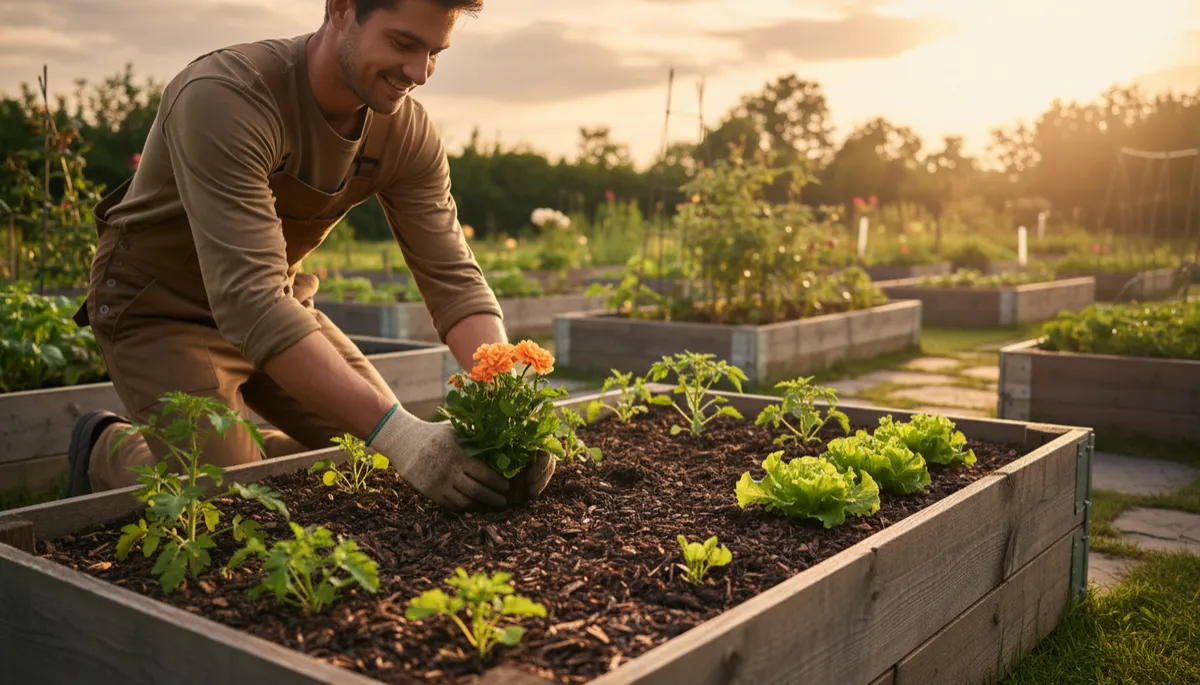
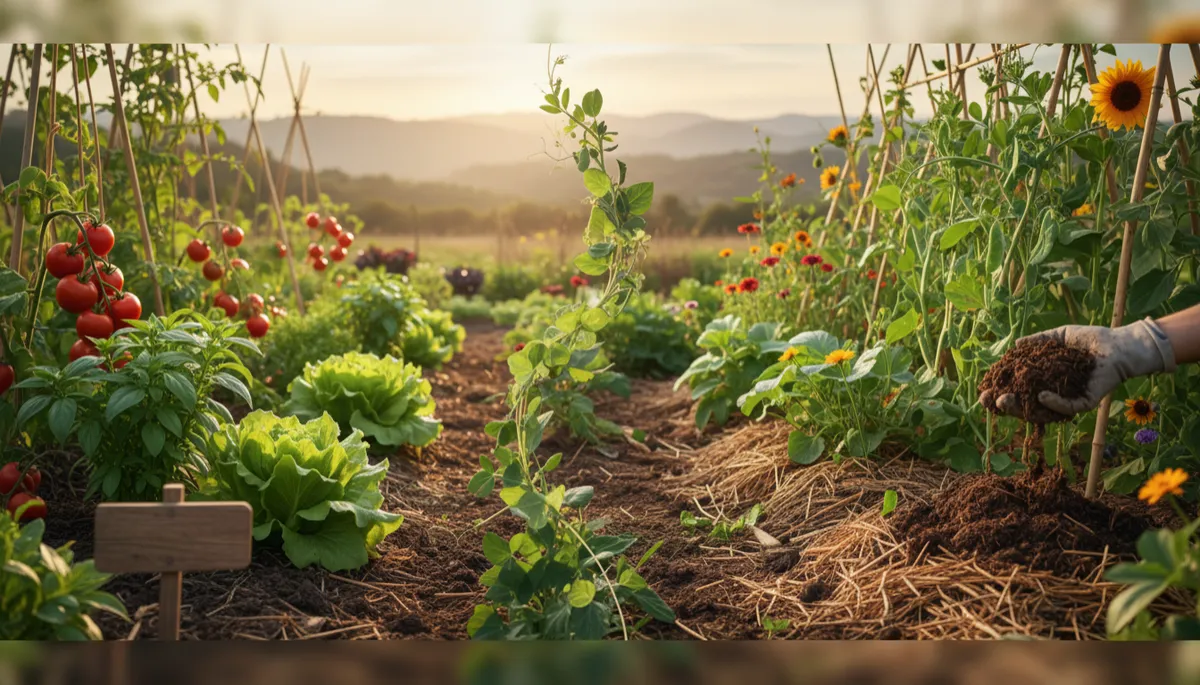
Blending veggies, herbs, and flowers boosts diversity and soil health at once.
Why Soil Regeneration Is Such a Big Deal
Let’s zoom in on soil regeneration for a second, because this is where regenerative gardening really shines. Healthy soil isn’t just “nice to have”, it’s the backstage crew that makes your whole garden show possible.
More nutrients: Living soil teems with fungi and bacteria that unlock nutrients plants can actually use, so your tomatoes taste like tomatoes and not like disappointment.
Better water management: Regenerated soil acts like a sponge, soaking up rain and holding it for dry spells. Goodbye, constant watering. Hello, Netflix break.
Resilient plants: Strong root systems and balanced soil life help plants resist pests and diseases naturally, so you spray less and snack more.
🌍 Bonus: Regenerated soil stores carbon, which means your backyard can quietly help fight climate change while you’re just out there harvesting basil.
Choosing Your Path: Organic, Regenerative, or a Blend?
So, when it comes to regenerative gardening vs organic gardening, do you have to pick a team and swear loyalty forever? Absolutely not. You can start where you are and add layers of regenerative practices over time. Every step toward more thoughtful, eco gardening counts, whether that’s switching to organic fertilizer, mulching your beds, or planting your first cover crop and hoping you remember what it’s called next spring.
If you’re just starting, going organic is a fantastic first move. If you’re already organic, sprinkling in regenerative practices will make your garden more resilient, more productive, and honestly, more fun. It feels pretty amazing to know your backyard isn’t just pretty, it’s actively helping restore the planet.
Final Scoop: Let Your Garden Do More Good
In the end, the “winner” of the organic vs regenerative debate isn’t a label, it’s the garden that grows tastier food, supports buzzing pollinators, and leaves the soil richer than you found it. Organic gardening helps you avoid harm; regenerative gardening invites you to go one step further and give back.
Start where you are, with what you have. Add a layer of mulch, plant one more flower for the bees, toss kitchen scraps into a compost pile, and watch your little patch of earth transform. That’s eco gardening naturally, playful, powerful, and a little bit magical. And the best part? You get to eat the results.