


Regenerative Gardening: Grow More, Do Less
Gardening, Regenerative Gardening, Sustainable Gardening, Soil Health
What Is Regenerative Gardening? A Beginner’s Guide to Growing More by Doing Less
Curious why everyone’s suddenly whispering sweet nothings to worms and saving eggshells like treasure? Welcome to the wonderfully nerdy, wildly fun world of regenerative gardening - where your backyard becomes a tiny eco-hero and you get bragging rights for saving the planet with compost.
So… What Is Regenerative Gardening, Exactly?
Regenerative gardening is like sustainable gardening’s overachieving cousin. While traditional sustainable gardening focuses on doing less harm, using fewer chemicals, saving water, recycling - regenerative gardening aims higher: it actually improves your little patch of Earth over time. Think of it as gardening that heals, rebuilds, and restores your soil, your plants, and the tiny universe of life beneath your feet.
Instead of forcing plants to grow with synthetic fertilizers and constant digging, regenerative gardeners work with nature. The star of the show? Soil health. When your soil is alive and thriving, everything else—stronger plants, fewer pests, better harvests—follows like garden magic (minus the wand, plus a compost fork).
💡 Fun Fact: A single teaspoon of healthy soil can contain more living organisms than there are people on Earth. You’re not just gardening, you’re hosting a microscopic block party.
Why Soil Health Is the Heart of Regenerative Gardening
Let’s talk dirt. In regenerative gardening, Soil Health isn’t just a buzzword, it’s the whole point. Healthy soil is crumbly, dark, and full of life. It holds water like a sponge, feeds your plants slowly and steadily, and resists erosion. Unhealthy soil, on the other hand, behaves like that one flaky friend: it dries out fast, doesn’t hold nutrients, and disappears when things get rough (or windy).
Organic matter: Compost, leaves, and plant roots feed soil organisms and store nutrients.
Soil life: Worms, fungi, and microbes break down organic matter and make nutrients available to plants.
Structure: Good soil has tiny spaces that hold air and water—like a comfy mattress for roots.
When you focus on Soil Health, you’re basically building a long-term buffet for your plants and a luxury condo complex for microbes. The result? Less work for you, more resilience for your garden, and way fewer sad, droopy plants staring at you through the window.
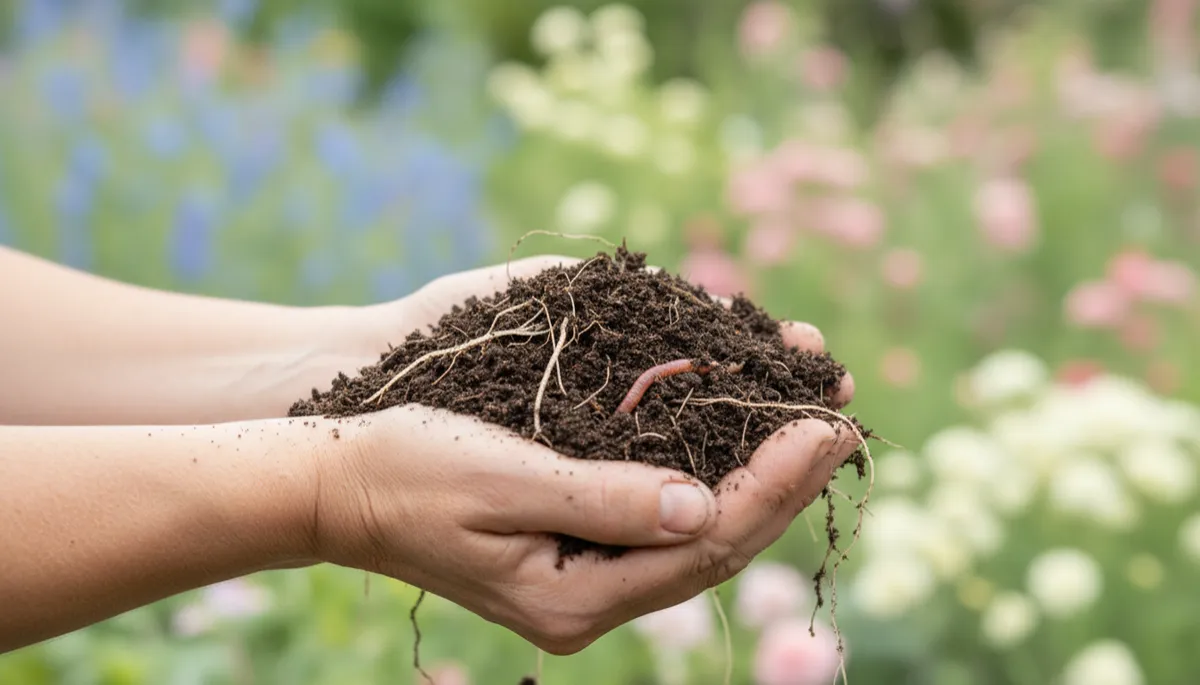
Healthy, living soil acts like a slow-release pantry for your entire garden.
Regenerative Gardening vs. Regular Gardening: What’s the Difference?
Picture two gardeners. One tills the soil every spring, throws on synthetic fertilizer, sprays for bugs, and wonders why the beds look tired by August. The other barely disturbs the ground, adds compost, keeps the soil covered, and has a jungle of happy plants and buzzing pollinators. That second gardener? They’re practicing regenerative gardening, whether they know the term or not.
Conventional Approach | Regenerative Gardening Approach |
|---|---|
Disturbs soil frequently with digging and tilling | Minimizes disturbance to protect soil structure and life |
Relies on synthetic fertilizers and pesticides | Feeds soil with compost, mulch, and plant diversity |
Leaves soil bare between plants or seasons | Keeps soil covered with mulch or living plants |
A Beginner’s Guide: 7 Simple Steps to Start Regenerative Gardening
Ready to turn your yard, balcony, or even a few pots into a tiny regenerative paradise? You don’t need a tractor, a farm, or a degree in soil science. You just need curiosity, patience, and maybe a willingness to talk to your compost pile. Here’s your fun, beginner-friendly roadmap.
1. Start by Observing Your Space
Before you plant a single seed, grab a notebook (or your phone) and play garden detective. Where does the sun hit longest? Where does water pool after rain? Which spots dry out fast? Regenerative gardening is about working with what you’ve got, not fighting it. Your future plants will thank you for doing this little recon mission first.
2. Feed the Soil, Not Just the Plants
In regenerative gardening, your main job is to be an excellent soil chef. Instead of pouring on quick-fix fertilizers, you build long-term Soil Health with:
Compost: Kitchen scraps and yard waste transformed into black gold.
Leaf mulch: Free, fabulous, and loved by worms everywhere.
Manure (well-rotted): A classic soil booster when sourced responsibly.
💡 Pro Tip: If making compost sounds intimidating, start tiny. Even a small countertop compost caddy and a backyard pile (or community compost drop-off) is a win for sustainable gardening.
3. Ditch the Tiller and Go Low-Dig or No-Dig
Constantly flipping and churning the soil might feel productive, but it’s like shaking a snow globe every weekend—the tiny residents get dizzy. Regenerative gardening favors no-dig or low-dig methods. You layer compost and mulch on top, plant into it, and let worms and roots do the mixing for you. Less work, better Soil Health, fewer sore muscles. Win, win, win.
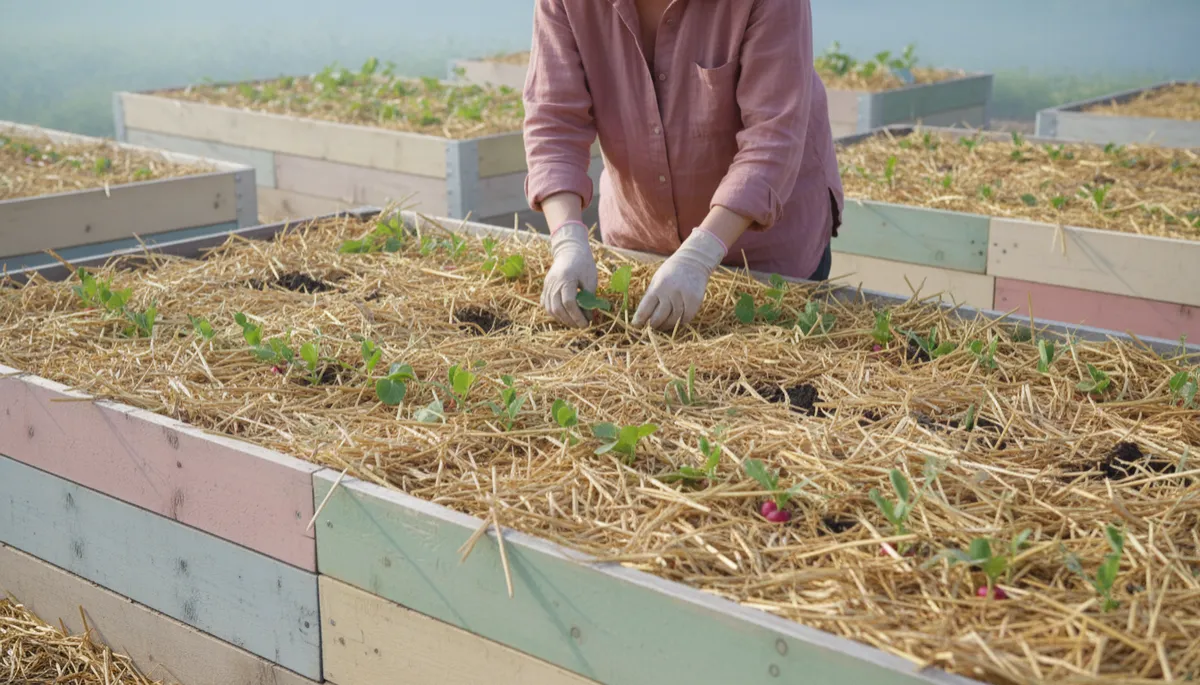
No-dig beds protect soil life while giving plants a cozy, nutrient-rich home.
4. Keep the Soil Covered (Plants Hate Naked Dirt)
Bare soil is like going outside in winter without a coat, uncomfortable and risky. Covering the ground is a core principle of both regenerative and sustainable gardening. You can use:
Mulch: Straw, shredded leaves, or wood chips to hold moisture and block weeds.
Living groundcovers: Low-growing plants that protect and feed the soil.
Cover crops: Plants like clover or peas that you grow just to chop and drop back into the soil.
5. Grow a Diversity of Plants (Monoculture Is Boring)
Nature loves variety, and so does regenerative gardening. Instead of planting one giant block of tomatoes (tempting, I know), mix veggies, herbs, flowers, and even small shrubs. Different roots feed different soil microbes, and a mix of scents and shapes confuses pests. Plus, your garden will look like a dreamy, soft pastel jungle instead of a veggie army in straight lines.

Mixed plantings support pollinators, confuse pests, and keep soil biology buzzing.
6. Welcome Bugs, Birds, and Other “Coworkers”
In a regenerative garden, not every bug is the enemy. Ladybugs, lacewings, frogs, birds, and even spiders all help keep pest populations in check. Instead of reaching for chemical sprays, you create habitat: a small water dish, a brush pile, flowering plants, and maybe a birdhouse or two. It’s like hiring an all-natural pest control team that works for nectar and shelter.
7. Close the Loop: Make Your Garden More Sustainable
Regenerative gardening is deeply connected to sustainable gardening habits. The goal is to waste less and reuse more. That might mean collecting rainwater in barrels, reusing old containers as planters, or turning pruned branches into mulch instead of hauling them away. Over time, your garden becomes its own little circular system, what once was “waste” becomes tomorrow’s soil food.
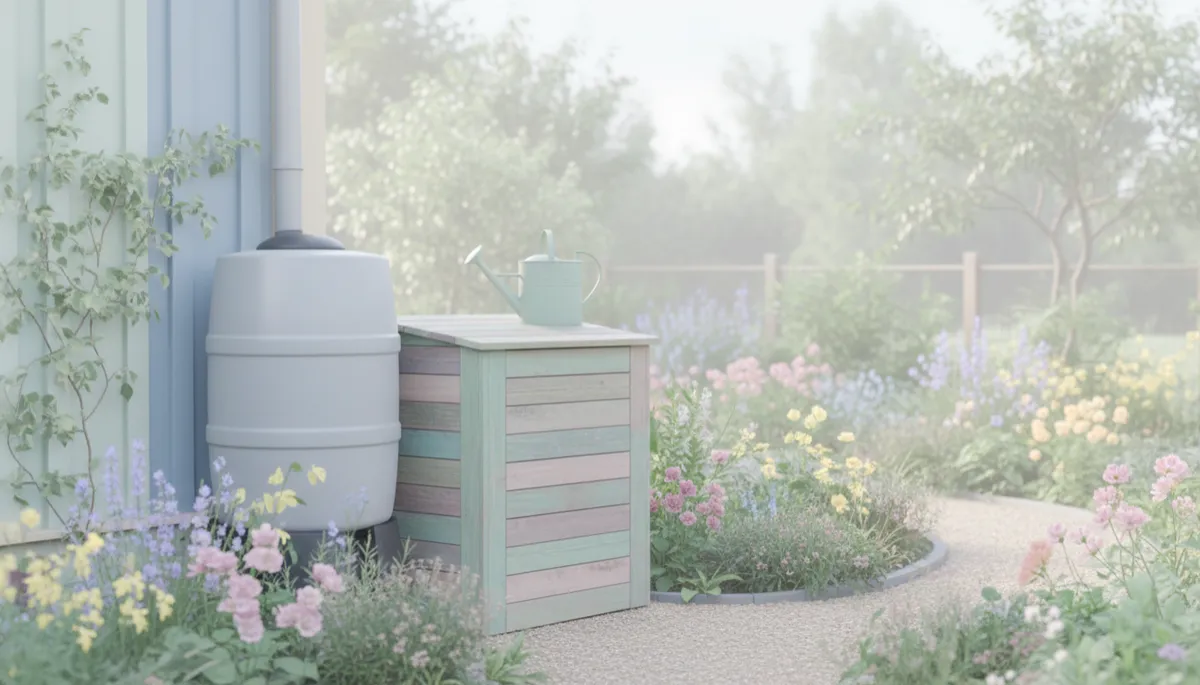
Simple tools like compost bins and rain barrels make sustainable gardening effortless.
Can You Practice Regenerative Gardening in a Small Space?
Absolutely. You don’t need a huge yard to embrace regenerative gardening principles. On a balcony or patio, you can:
Use large containers with high-quality compost and organic matter.
Grow a mini-diverse jungle: herbs, flowers, salad greens, and dwarf veggies together.
Mulch the surface of pots to protect Soil Health and reduce watering needs.
Even a few pots of regeneratively grown plants support pollinators, store a bit of carbon in the soil, and give you ultra-local herbs for dinner. Tiny garden, big impact.
The Big Picture: Why Regenerative Gardening Matters
It’s easy to think, “It’s just a garden, how much difference can it make?” But when millions of people choose regenerative, sustainable gardening practices, the ripple effect is huge. Healthier Soil means better water retention, less runoff, and more carbon stored underground instead of in the atmosphere. Diverse backyard ecosystems support bees, butterflies, and birds that are struggling in many areas.
And on a personal level? Regenerative gardening gives you fresher food, a calmer mind, and the deep satisfaction of knowing you’re not just taking from the Earth, you’re giving back. Every time you mulch a bed, plant a flower for pollinators, or add compost to your soil, you’re casting a tiny vote for a healthier planet.
Ready to Grow a Garden That Gives Back?
Now that you know what regenerative gardening is, and how deeply it’s rooted in Soil Health and truly sustainable gardening, it’s your turn to play. Start small: one bed, one pot, one patch of ground. Feed the soil, welcome the bugs, mix up your plants, and watch as your garden slowly transforms into a thriving, self-supporting ecosystem.
You don’t have to be perfect. You just have to be curious, observant, and willing to let nature do a bit more of the heavy lifting. Before long, you’ll be the one explaining regenerative gardening to your friends, probably while proudly showing off the best tomatoes you’ve ever grown.
📌 Key Takeaway: Regenerative gardening is a joyful, beginner-friendly way to grow more food and flowers while healing your soil, your backyard ecosystem, and, just a little bit, the planet. That’s a lot of power for a pair of gardening gloves.