


Open-Source vs. Proprietary Biohacking Tools: Which Is Better?
Hey friend, pull up a chair.
If you’re reading this, you’ve probably fallen down the same rabbit hole I did, staring at a sleek brain-sensing headband on one tab and a GitHub repo full of circuit diagrams on the other, wondering which path actually leads to a better, sharper, healthier you.
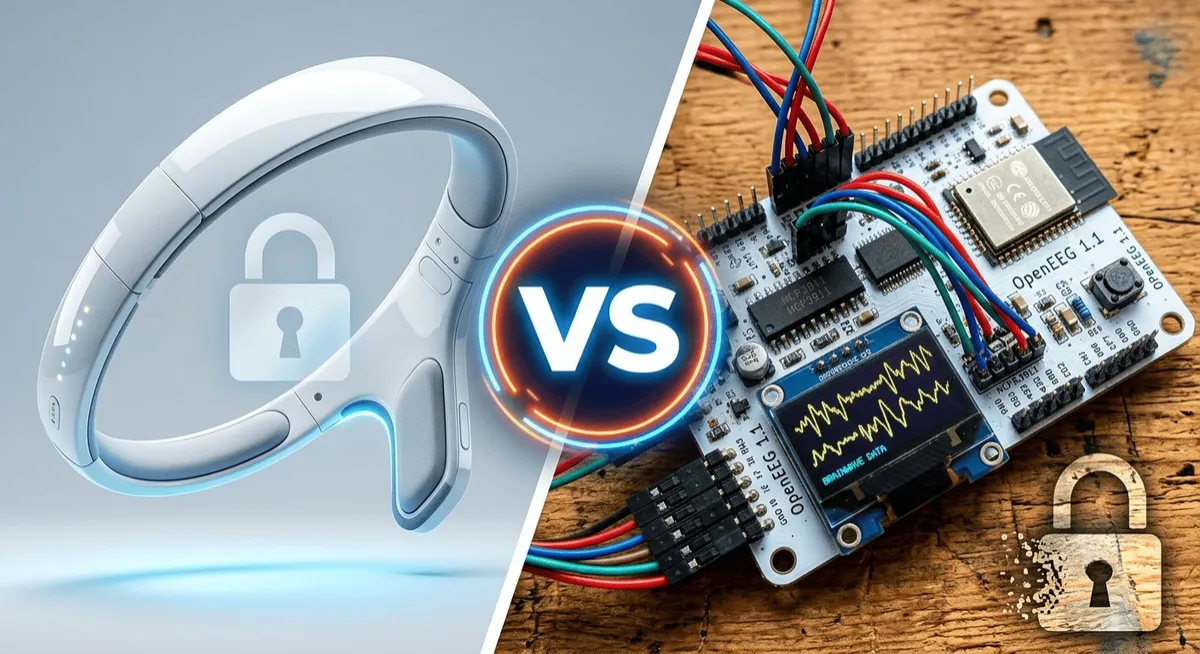
The world of open-source biohacking tools can feel like a wild DIY playground, while proprietary biohacking devices promise polish, support, and FDA stamps. So, which one should you trust with your biology?
I’ve been tinkering with both sides for years, and today I want to walk you through a genuine, no-BS biohacking tool comparison so you can decide what fits your body, your budget, and your comfort zone.
Along the way, we’ll unpack real stories, hidden costs, and the surprising truth about where the most meaningful human upgrades come from.
What Even Is a Biohacking Tool, Anyway?
Let’s level-set before we dive into the open-source vs. proprietary cage match. Biohacking tools are any devices, apps, or substances you use to alter your biology, think sleep trackers, red light therapy panels, continuous glucose monitors, neurofeedback headbands, tDCS stimulators, or even smart supplements.
Some are simple wearables; others let you peer into your own brainwaves or tweak your metabolism.
When you start comparing, the fork in the road appears fast: do you grab a polished, out-of-the-box proprietary biohacking device, or do you build (or join) an open-source biohacking tools project where the code, hardware schematics, and protocols are shared freely?
The choice isn't just about price; it’s about philosophy, safety, and how much control you truly want over your own data.
The Soul of Open-Source Biohacking Tools (And Why People Love Them)
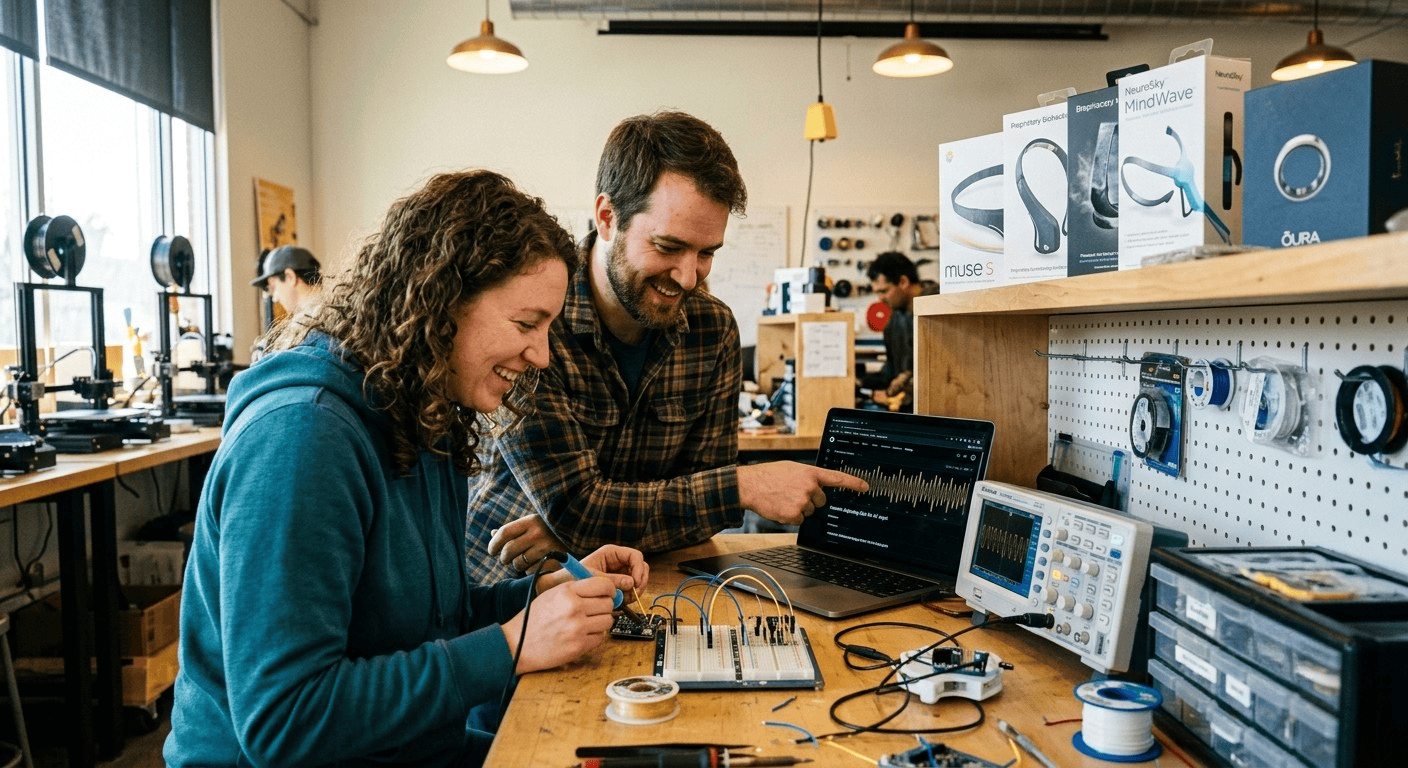
The open-source movement isn't new, but applying it to biology still gives some folks the jitters. Let me demystify it. At its core, open-source biohacking tools are designed with transparency in mind: the code is public, the hardware blueprints are downloadable, and the community troubleshoots together. Think of it as the “repair café” of human enhancement.
Transparency You Can Audit
With a proprietary gadget, you're trusting a black box. That sleep score on your ring? You have no clue how it was calculated.
With an open-source EEG project like OpenBCI, I can literally read through the signal-processing algorithms on GitHub. When I started using their Cyton board for neurofeedback, I could see exactly how my alpha waves were being filtered.
That kind of transparency builds a different kind of trust, and it helped me catch a ground-loop noise issue that a closed device would have just reported as “poor signal.”
Being able to audit the pipeline makes open-source biohacking tools a gold standard for anyone who thinks, “My biology shouldn’t be a trade secret.”
Community That’s Got Your Back
Proprietary biohacking devices often leave you alone with a chatbot. Open-source projects throw you into a Discord or forum full of biohackers who’ve already blown up three boards and found a brilliant workaround.
When I was building a DIY vagus nerve stimulator based on the open-source VagusX project, I got stuck at 2 a.m. An engineer from halfway across the world replied within an hour. That collective intelligence can’t be faked, and it dramatically accelerates learning.
No Planned Obsolescence
How many times has a wearable company discontinued an app, bricking your $400 device? Open-source hardware and software can be maintained as long as one passionate person cares. That means open-source biohacking tools often outlive their commercial cousins.
My original OpenAPS artificial pancreas rig from 2016 still functions beautifully because the community kept refining the algorithms, something no proprietary pump vendor would ever allow without a new product launch.
Internal link opportunity: If you're curious about setting up your first open-source rig without a degree in electrical engineering, check out our article “How to Start DIY Biohacking on a Budget: Tools That Won’t Break the Bank.” (https://homegrownfutures.com/diy-biohacking-budget)
Proprietary Biohacking Devices: The Slick, Safe(ish) Seduction
I get the appeal of proprietary biohacking devices. Unboxing a Muse headband or an Oura Ring feels like opening the future. The build quality is pristine, the app experience is seamless, and the regulatory approvals give a sense of safety that can be hard to ignore. Let's give credit where it's due.
Regulatory Assurance and Liability
When a company like Flow Neuroscience releases a tDCS headset with CE marking and FDA clearance, you know the hardware won’t accidentally deliver a nasty shock.
That legal liability protection matters. Proprietary biohacking devices undergo electrical safety testing, biocompatibility checks, and clinical trials. For many people, especially those managing a health condition, that’s non-negotiable.
No matter how much I love open-source biohacking tools, I’d never fault someone for choosing a medically certified device for something like depression treatment.
User Experience That Just Works
Open-source projects are notorious for their “you need to compile this firmware yourself” onboarding. Meanwhile, a proprietary biohacking device pairs in one tap and presents insights in a gorgeous graph.
That frictionless experience reduces dropout rates. The quantified-self movement owes a lot to companies that made tracking effortless. When you’re exhausted, you don’t want to debug a Python script; you want to know if your HRV is trending up.
Proprietary tools win on convenience, and for biohacking rookies, that ease can be the difference between a sustained habit and a drawer of abandoned hardware.
Integrated Support Ecosystems
Beyond the app, proprietary platforms often bundle coaching, telehealth, or content libraries. A glucose monitor like Levels doesn't just show you a number; it grades your meal choices and educates you.
For someone who’s new to biohacking, that hand-holding is worth the subscription. I’ve watched friends transform their metabolic health because the tool literally said, “Put down the granola.” No open-source dashboard replicates that nuanced behavioral design, yet.
Biohacking Tool Comparison: Head-to-Head on What Matters
Now let’s get into the real biohacking tool comparison, the gritty stuff that decides whether you’ll still be using the device a year from now. I’ll weigh open-source biohacking tools against proprietary biohacking devices across cost, data ownership, innovation speed, and safety, using examples I’ve personally sweat over.
Cost Over a Lifetime
Open-Source: The initial purchase price for a board or components can be surprisingly low (an OpenBCI Ganglion starts around $200, while a raw ESP32-based heart-rate monitor could cost $30). But don’t forget the time cost. You'll spend weekends soldering, flashing firmware, and reading datasheets. If your hourly rate is high, the total investment might surpass a premium device. However, there are no recurring subscription fees, and you can repair it for pennies.
Proprietary: A Dreem headband or Apollo Neuro retails at several hundred dollars, and many now lock advanced analytics behind a paywall. Over five years, a $30/month subscription adds $1,800. The hardware might become e-waste if the startup folds. From a pure dollar standpoint, open-source biohacking tools often win long-term, but proprietary tools win if your time is more valuable than money.
Data Ownership and Privacy
This is the hill I’ll die on. Open-source biohacking tools store data locally; you decide where it goes. I can send my raw EEG data to a self-hosted database, analyze it with custom scripts, and never let a corporation peek at my brainwaves.
Proprietary biohacking devices, however, pipe everything to the cloud. Read the privacy policies: your sleep patterns, heart rate variability, and sometimes even menstrual cycle data are anonymized and sold or used to train AI.
If the thought of an insurance company someday inferring your stress levels makes you queasy, open source is the only ethical choice. Data sovereignty is the defining advantage in any biohacking tool comparison.
Innovation Speed and Customization
Open-source moves at the speed of a motivated collective. When long-COVID brain fog became a topic, the open-source neurostimulation community designed tACS protocols within weeks and shared them on forums.
A proprietary device requires clinical trials and regulatory filings that take years. On the flip side, customization in proprietary world means choosing between “Focus” and “Calm” presets.
With open-source, I can script my own neurofeedback loop that rewards specific EEG patterns unique to my brain. The ability to experiment with open-source biohacking tools turns you from consumer into co-creator. It’s profoundly empowering.
Safety and Reliability
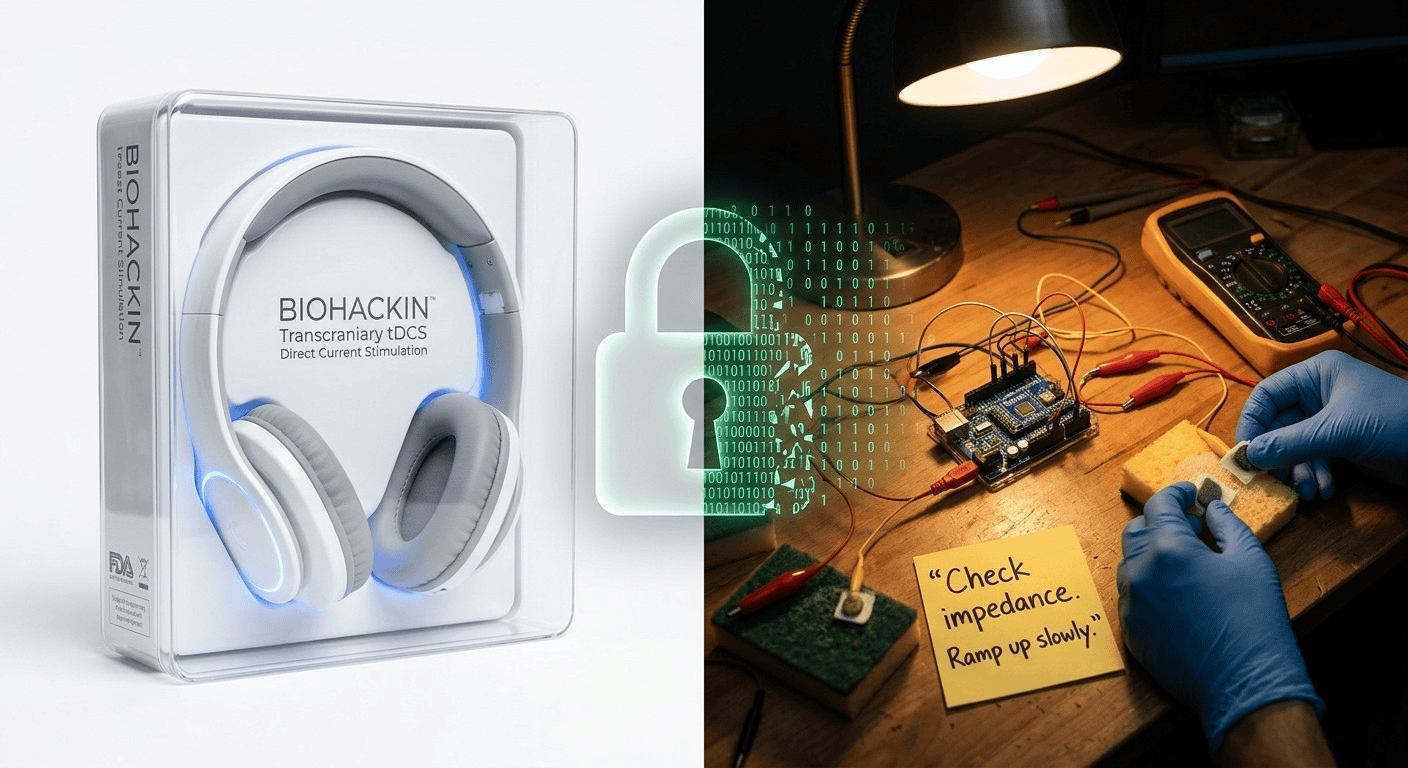
Here’s where proprietary biohacking devices usually shine. Commercial tDCS units have built-in impedance checks, ramp-up current limits, and physical electrode designs that prevent burns.
I’ve seen open-source stimulator guides that recommended saline-soaked sponge electrodes and a 9V battery; that can cause skin lesions if you’re not careful. The open-source community is full of safety guides, but there’s no enforcement.
If you’re not willing to learn basic electrical safety and respect your body’s limits, steer clear of DIY. Never let enthusiasm replace caution, in this biohacking tool comparison, proprietary safety nets offer real protection.
Internal link opportunity: For a deeper dive into the brain-tech landscape, read our breakdown [“The Truth About Consumer EEG Headsets: Open-Source vs. Proprietary.”](https://homegrownfutures.com/eeg-headsets-comparison)
The Unexpected Magic of Hybrid Approaches
Here’s a secret the tribalists won’t tell you: you don’t have to be purist. Some of the most effective biohackers. I know mix open-source biohacking tools with proprietary biohacking devices.
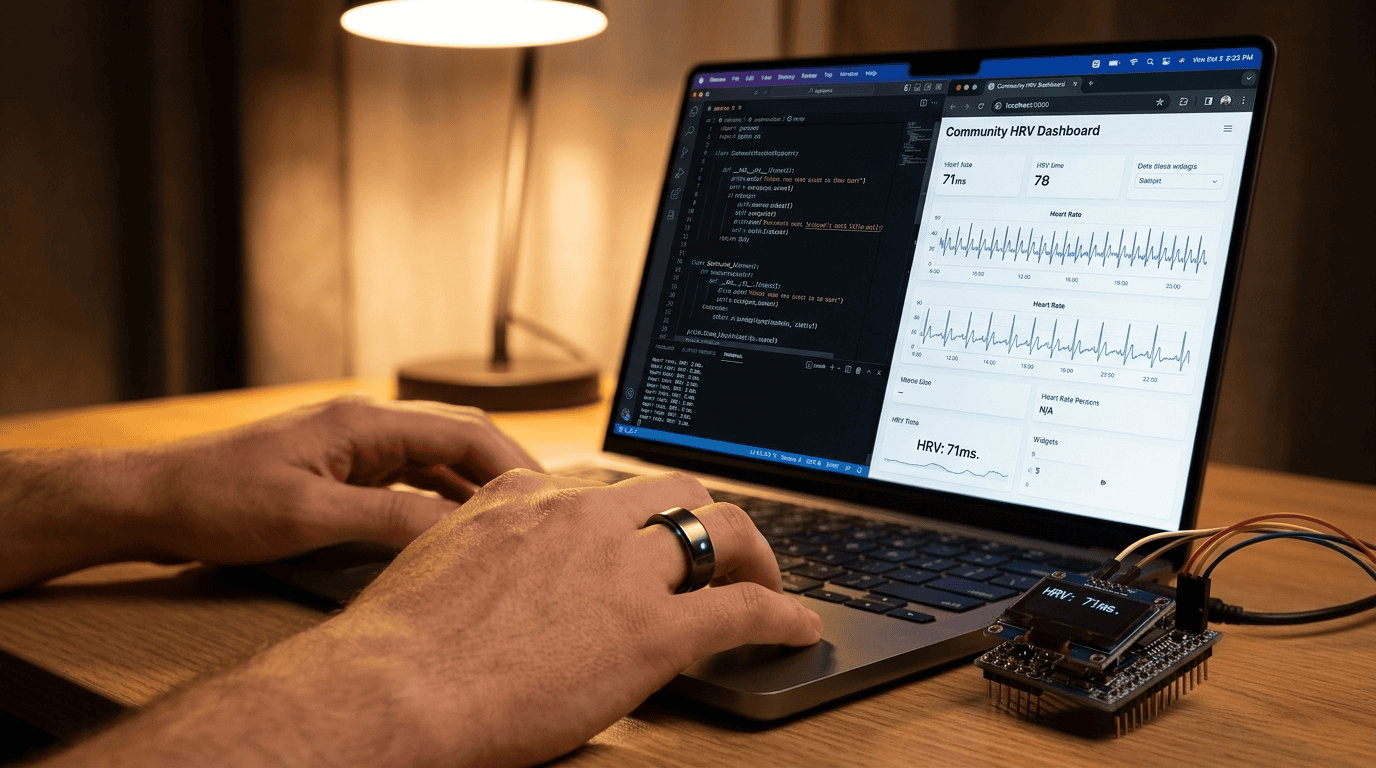
For instance, I wear an Oura Ring (proprietary) to passively track sleep and readiness because the form factor is unbeatable, but I pair it with an open-source HRV analysis tool called HRV4Training that lets me adjust the rMSSD calculation window and view raw inter-beat-interval data that Oura hides.
The ring does the data collection; the open-source software does the honest analysis.
Another hybrid: use a proprietary continuous glucose monitor like the Abbott FreeStyle Libre, but bridge it with the open-source Nightscout project to visualize blood sugar in real-time on a custom dashboard alongside your workout and meal logs.
Suddenly, you’ve got a biohacking tool combo that outperforms anything off the shelf. Proprietary hardware often provides the robust sensing; open-source software provides the insight and integration.
This blend can give you the best of both worlds—validated sensor tech with limitless data interpretation.
External link: Check out the [Nightscout Foundation](https://www.nightscoutfoundation.org/) to see how thousands of people are liberating their CGM data. It’s a stunning example of open-source biohacking tools improving lives.
Real Stories: When Open-Source Saved the Day (and When It Didn’t)
Let me share two quick stories to ground this biohacking tool comparison. A friend with Type 1 diabetes was tired of her insulin pump alarming all night.
Using OpenAPS, an open-source biohacking tool for automated insulin delivery, she built a closed-loop system that adjusted her basal rate based on predicted glucose. The result? A1c improvement and, for the first time, a full night’s sleep.
No commercial system offered that degree of personalization at the time. That’s the power of community-driven medicine.
But I also remember a well-meaning biohacker who built an open-source PEMF mat from a forum guide without understanding electromagnetic shielding.
The device worked, but it interfered with his wifi and produced a hot spot that caused skin warmth bordering on a burn. He’s fine, but it scared him off experimentation entirely. A proprietary mat with built-in safety cutoffs would have prevented that.
The lesson: open-source biohacking tools are not inherently dangerous, but they demand respect. You’re the quality control department.
Internal link: If you’re intrigued by metabolic optimization, our post [“Biohacking Glucose: Open-Source vs. Proprietary Monitor Showdown”](https://homegrownfutures.com/glucose-monitor-showdown) expands on this exact tension.
Community, Ethics, and the Future of Biohacking Tools
We need to talk about the bigger picture. Choosing between open-source and proprietary isn’t just a consumer decision; it shapes the future of human enhancement.
If all biohacking innovation gets locked inside corporate vaults, we risk a world where cognitive and physical augmentation become luxury goods for the wealthy, with no public understanding of how they work.
Open-source biohacking tools democratize access, distribute knowledge, and act as a check on unethical data practices. They’re a form of activism.
At the same time, open-source thrives on voluntary labor. Brilliant engineers burn out maintaining repos for free while proprietary companies profit from their insights.
Ethical tension exists. Ideally, we move toward “open-core” models where companies share foundational tools openly while charging for premium support or certified hardware.
Projects like OpenBCI already do this, selling hardware but keeping software open. It’s a hopeful sign for the biohacking tool comparison landscape.
External link: The [Open Source Hardware Association](https://www.oshwa.org/) defines best practices and certifies truly open hardware. Look for their logo when evaluating any biohacking device claiming openness.
Making the Right Choice for Your Biohacking Journey
So, which is better? You probably guessed my answer: it depends on you. Let me frame this as a quick self-assessment, a personalized biohacking tool comparison generator.
Choose proprietary biohacking devices if:
You're new to biohacking and want a guided, safe experience.
You have a specific medical condition that requires regulated equipment.
You value convenience, polished UI, and immediate insights over deep customization.
You absolutely don't want to learn any technical skills, and that’s okay.
Choose open-source biohacking tools if:
Data ownership and privacy are non-negotiable for you.
You have a curious mind and enjoy tinkering, coding, or soldering (or want to learn).
You need custom protocols that no commercial product offers.
You want to avoid ongoing subscriptions and planned obsolescence.
You believe in community-driven innovation and want to contribute to a knowledge commons.
Internal link: Not sure where to begin? I’ve mapped out a gentle starting path in “5 Beginner Biohacking Projects You Can Start This Weekend" https://homegrownfutures.com/beginner-biohacking-projects)
Summarizing the Biohacking Tool Face-Off
Let’s distill the key points from this biohacking tool comparison so you can make a confident leap.
Transparency vs. Secrecy: Open-source biohacking tools let you inspect every line of code; proprietary biohacking devices operate as closed systems.
Cost Over Time: Open source often has a lower lifetime cost if you can trade time, but proprietary devices win on immediate convenience.
Data Control: Open source offers true data sovereignty; proprietary ecosystems almost always claim some rights to your biometric data.
Safety Net: Proprietary devices come with regulatory protections and liability; open-source puts the responsibility on the user, requiring thorough self-education.
Community Power: Open source thrives on collective problem-solving; proprietary support can be limited to automated responses.
Hybrid Wins: The ultimate performance often comes from pairing robust proprietary sensors with open-source analytics platforms.
No matter your choice, the goal is the same: a deeper understanding of your own biology. Whether you crack open a terminal or simply strap on a polished band, you’re stepping into a world of self-discovery that previous generations could only dream about.
The right tool is the one that you’ll actually use consistently, that respects your values, and that helps you become a little more you.
Ready to build your own biohacking stack but not sure where to start? Let’s chat.
We’re a small crew of curious humans who love helping people navigate open-source, proprietary, and hybrid setups.
Reach out to us at [email protected] with your questions or wild ideas, we don’t bite, and we might even have a circuit diagram or two to share.
No pressure, just good conversation about leveling up.