

Low-Cost Urban Farming Ideas for Small Spaces
Urban Gardening, Small-Space Farming, Sustainable Living
The Best Low-Cost Urban Farming Ideas for Small Spaces
On a sticky summer evening in a third-floor walk-up, Mia stared at her narrow balcony and the single, lonely basil plant wilting in a chipped pot. Rent was high, grocery prices were higher, and the dream of a lush, affordable urban garden felt about as realistic as a backyard orchard in downtown Manhattan. Yet within a year, that same balcony would buzz with bees, overflow with salad greens, and even hide a tiny, cheap hydroponics setup that turned tap water and thrift-store containers into a small-space farm miracle.
This is the story of how Mia—and thousands like her—discover low-cost urban farming ideas that fit into windowsills, fire escapes, and balconies barely big enough for a chair. If you’ve ever thought, “I’d love to grow my own food, but I don’t have space or money,” this journey is yours too.
Chapter 1: Seeing a Farm Where Others See Clutter
The first step in building an affordable urban garden is not buying seeds or soil—it’s learning to see your home differently. Mia started by walking through her apartment with a notebook, pretending she was scouting land for a farm. The “fields” she found were small but full of potential:
A sunny kitchen windowsill wide enough for three narrow pots
The railing of her balcony, perfect for hanging planters
A blank wall near the sliding door, begging for a vertical garden
What looked like cluttered corners became the foundation of her small-space farm. She didn’t need acres—just a few square feet and a bit of imagination. That’s the heart of the best low-cost urban farming ideas: using what you already have and stretching it just a little further than seems possible.
💡 Pro Tip: Walk your space at different times of day and note where sunlight lingers for at least four hours. Those are your prime “fields” for food.
Chapter 2: Turning Trash Into Planters and Soil Gold
Mia’s budget for her new farm? Fifty dollars, tops. That meant every purchase had to earn its keep. Instead of splurging on designer pots, she raided her recycling bin. Yogurt tubs became herb containers. Sturdy takeout boxes turned into seed-starting trays. An old wooden crate she found on the curb transformed into a rustic salad garden.
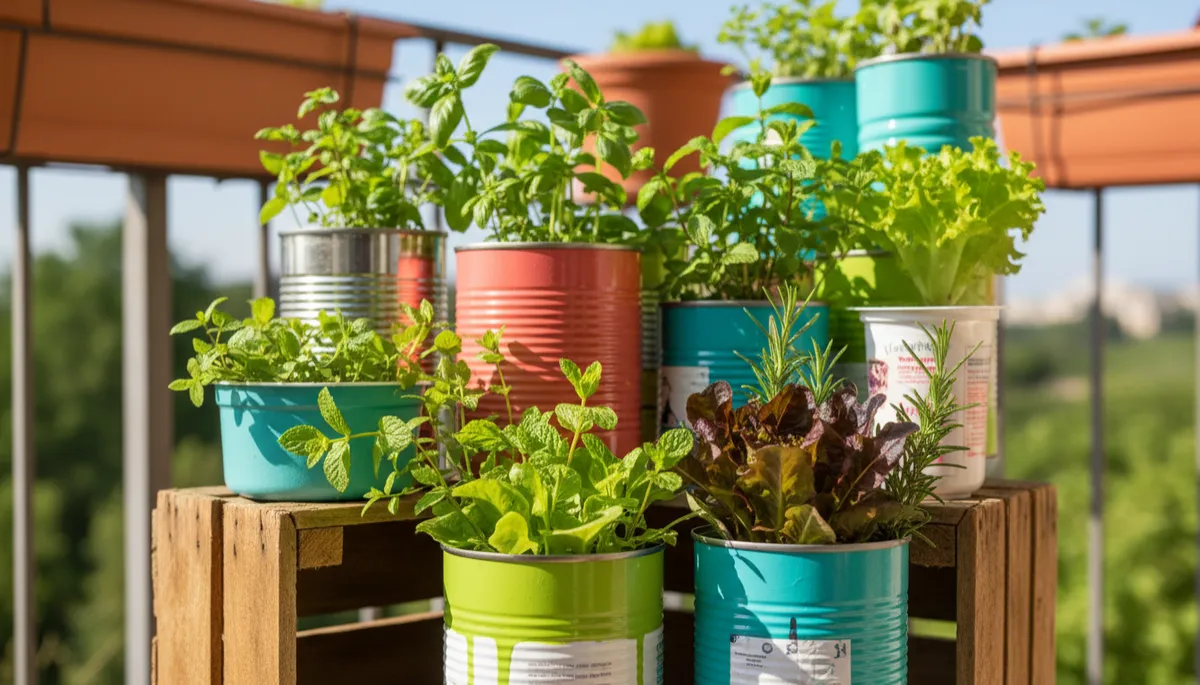
Upcycled containers can slash startup costs while adding color and charm.
She poked drainage holes in the bottoms with a heated nail, lined the inside with a bit of newspaper, and suddenly her “trash” had become the backbone of a truly low-cost urban farming idea. When soil prices made her wince, she discovered another secret of the affordable urban garden: composting in miniature.
Instead of a big backyard bin, she used a lidded bucket under the sink, layering vegetable scraps with shredded cardboard and coffee grounds from the café down the block. Over time, it turned into dark, crumbly “black gold” that supercharged her pots without expensive fertilizers. Her farm wasn’t just small; it was circular, feeding itself from what others threw away.
Chapter 3: Vertical Gardens – Growing Up, Not Out
One rainy Saturday, Mia stood on her balcony with a tape measure and a revelation: the floor was crowded, but the walls were almost empty. So she did what every clever small-space farmer eventually does, she started growing up instead of out.
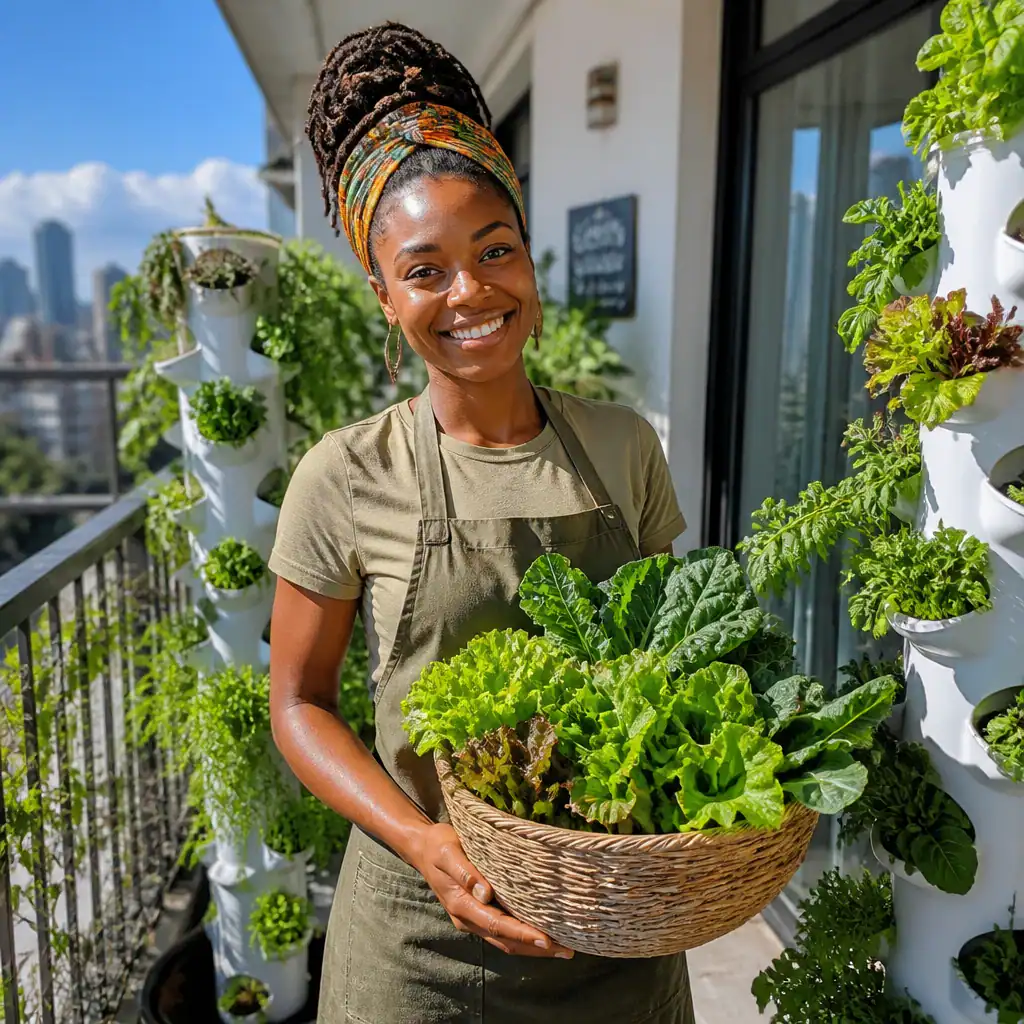
She hung a cheap over-the-door shoe organizer along the balcony wall and filled each pocket with soil and seeds—spinach, arugula, and baby kale.
She mounted a narrow shelf unit, turning it into a tiered strawberry and herb tower.
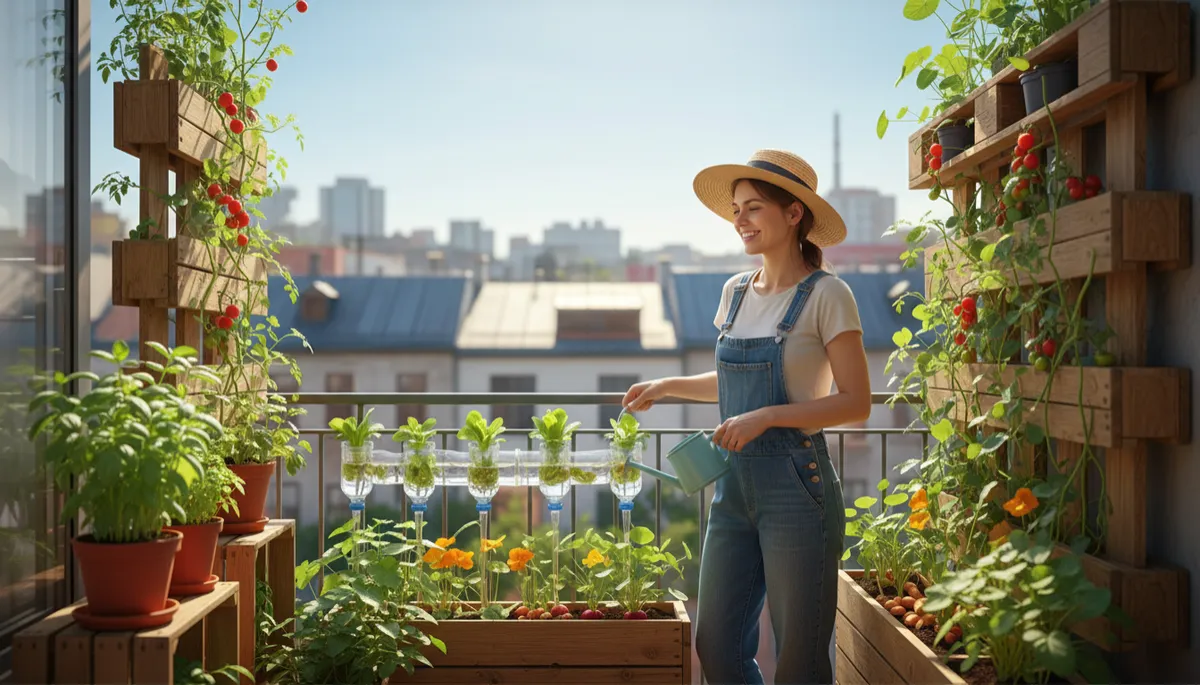
She clipped small pots to the balcony railing, letting trailing cherry tomatoes spill over the edge like edible jewelry.
These vertical tricks turned a cramped balcony into a living wall of food, a true small-space farm where every square inch pulled its weight. Vertical gardening is one of the best low-cost urban farming ideas because it doesn’t require fancy equipment. A few hooks, some repurposed shelves, and a bit of creativity can multiply your growing area overnight.
💡 Pro Tip: Grow light, leafy crops like lettuce, herbs, and spinach in vertical pockets; save deeper containers for roots and fruiting plants.
Chapter 4: The Day Cheap Hydroponics Moved Into the Kitchen
The real turning point came when Mia visited a friend who had a sleek, expensive hydroponic tower glowing in the living room. It hummed softly, lights bathing the plants in a sci-fi glow. Mia loved the idea of soil-free growing but not the price tag. So she went home and searched for cheap hydroponics ideas that didn’t look like a science project gone wrong.
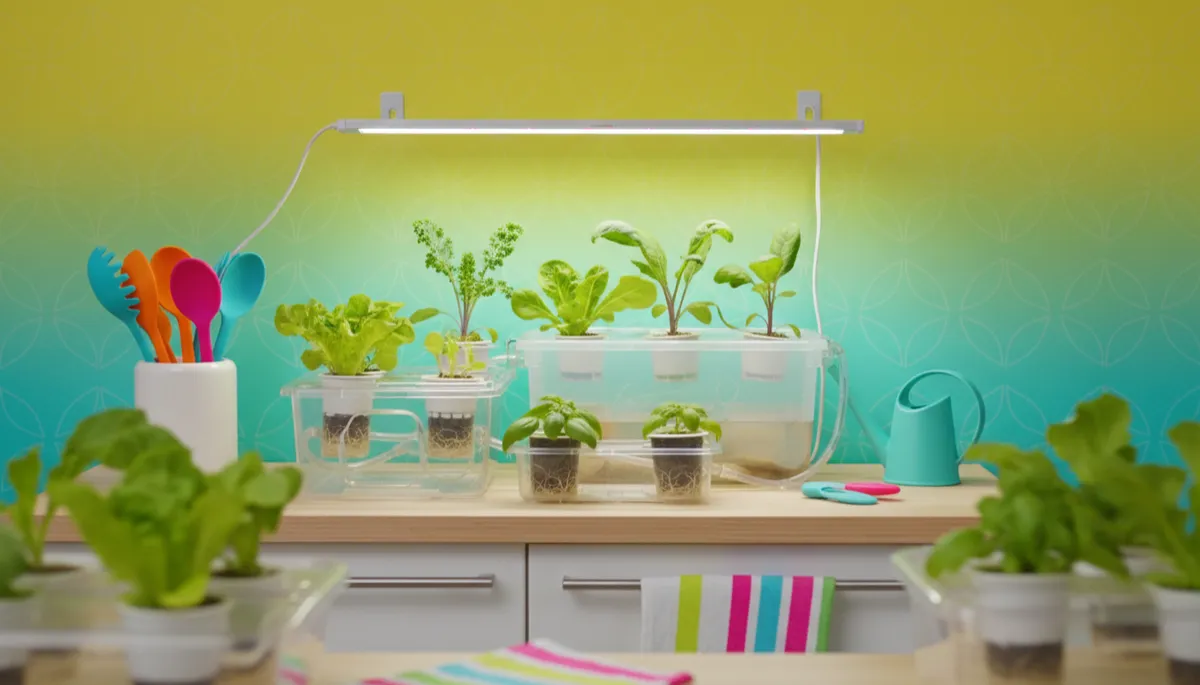
Simple hydroponic setups can fit on a counter and cost less than takeout.
She started with a clear storage box, six net cups, and an aquarium air pump she found secondhand. With a few holes drilled into the lid, some inexpensive hydroponic nutrients, and a strip of LED lights, her first indoor water garden was born. Within weeks, lettuce leaves unfurled over the container like a tiny jungle, and basil perfumed the whole kitchen.
Cheap hydroponics became her secret weapon. It used little water, no heavy bags of soil, and almost no space. For anyone chasing an affordable urban garden in a dim apartment, this kind of system can be a game changer. You don’t need a designer tower; a tote bin, some recycled jars, and a basic pump can produce salads all winter long.
Chapter 5: Choosing Crops That Love Tight Quarters
Not every plant is cut out for city life. Pumpkins and full-size corn stalks don’t exactly belong on a fire escape. Mia learned to curate her crops like a playlist, every plant had to earn its spot in her compact small-space farm. Her favorites were:
Leafy greens: Lettuce, spinach, arugula, and Asian greens grow fast and thrive in shallow containers and hydroponic setups.
Herbs: Basil, parsley, cilantro, mint, and chives offer big flavor in tiny pots and love sunny windowsills.
Dwarf varieties: Compact tomatoes, bush beans, and patio-sized peppers are bred for containers and balconies.
Microgreens: Sunflower, radish, and pea shoots can be grown in trays and harvested in 10–14 days.
By focusing on quick-growing, compact crops, Mia turned her affordable urban garden into a steady stream of harvests. She wasn’t trying to replace the entire grocery store, just to nudge her meals closer to the balcony, one handful of greens at a time.
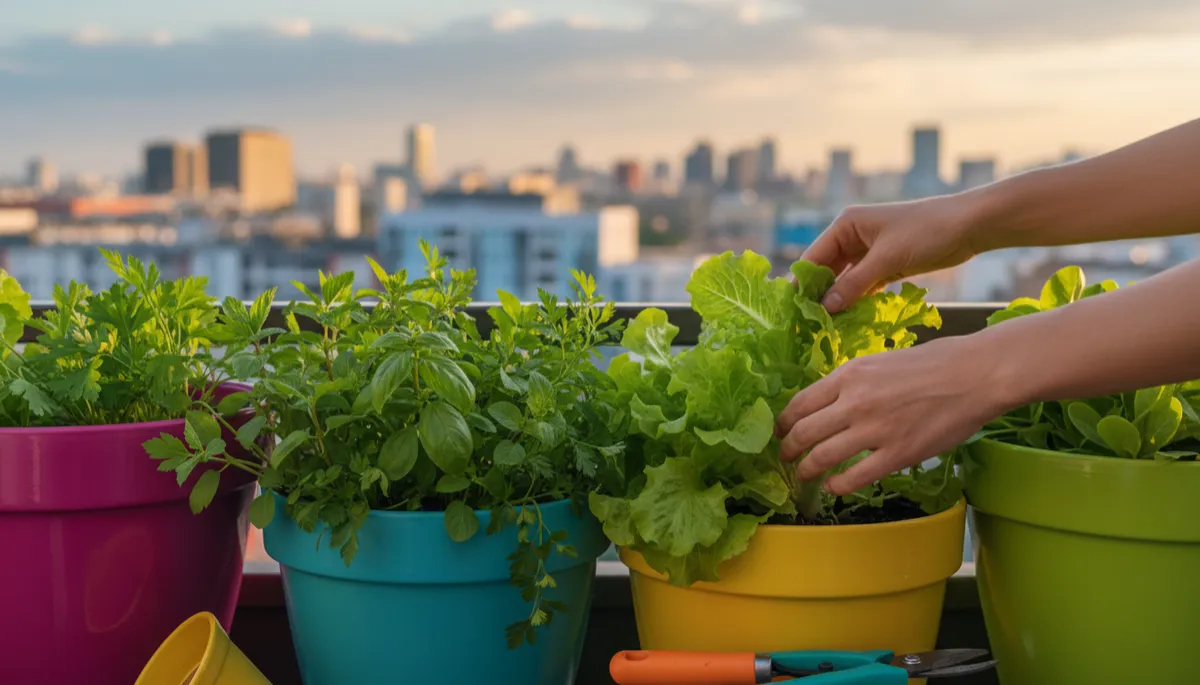
Small daily harvests add up, turning tiny gardens into serious food allies.
Chapter 6: Community, Creativity, and the Joy of the First Harvest
One of the quiet superpowers of low-cost urban farming ideas is how they connect people. When Mia’s balcony began to overflow, neighbors noticed. The woman upstairs offered extra mason jars for cuttings. The guy across the hall swapped homemade chili for a weekly bunch of basil. A tiny ecosystem of trade, advice, and encouragement sprang up around a few pots of soil and a plastic hydroponic bin.
The night she made her first “balcony salad”—lettuce grown in the shoe organizer, cherry tomatoes from the railing, and basil from the kitchen binshe ate slowly, tasting not just the food but the story behind it. Each bite carried the memory of repurposed containers, late-night seed research, and the quiet thrill of watching a seedling push up through the soil.
💡 Pro Tip: Share extra seedlings or herbs with neighbors. Your small-space farm can spark a whole hallway of growers.
Chapter 7: Writing Your Own Urban Farm Story
Maybe your story doesn’t start on a balcony. Maybe it begins on a fire escape, a sunny bathroom window, or a strip of rooftop no one else pays attention to. Wherever it starts, the path is the same: notice your overlooked corners, fill them with life, and let your small-space farm grow alongside your confidence.
You don’t need a perfect setup or a big budget. The best low-cost urban farming ideas are simple and forgiving: upcycled containers, vertical gardens, compact crops, and a touch of cheap hydroponics if you’re feeling adventurous. Each idea is a doorway into an affordable urban garden that feels less like a project and more like a living, breathing companion in your daily life.
One day, you might look up from your coffee and realize that your windows are framed with herbs, your balcony hums with bees, and your kitchen counter glows softly over a tub of floating lettuce. You’ll pluck a leaf, taste the crunch, and know that your tiny corner of the city has become a place where food, creativity, and resilience grow side by side.
The question now is not whether you have enough space, but which corner of your life you’ll turn into a garden first. Your story is waiting—in a yogurt tub, a shoe organizer, a plastic bin of water—and your small, bright farm is ready to begin.