

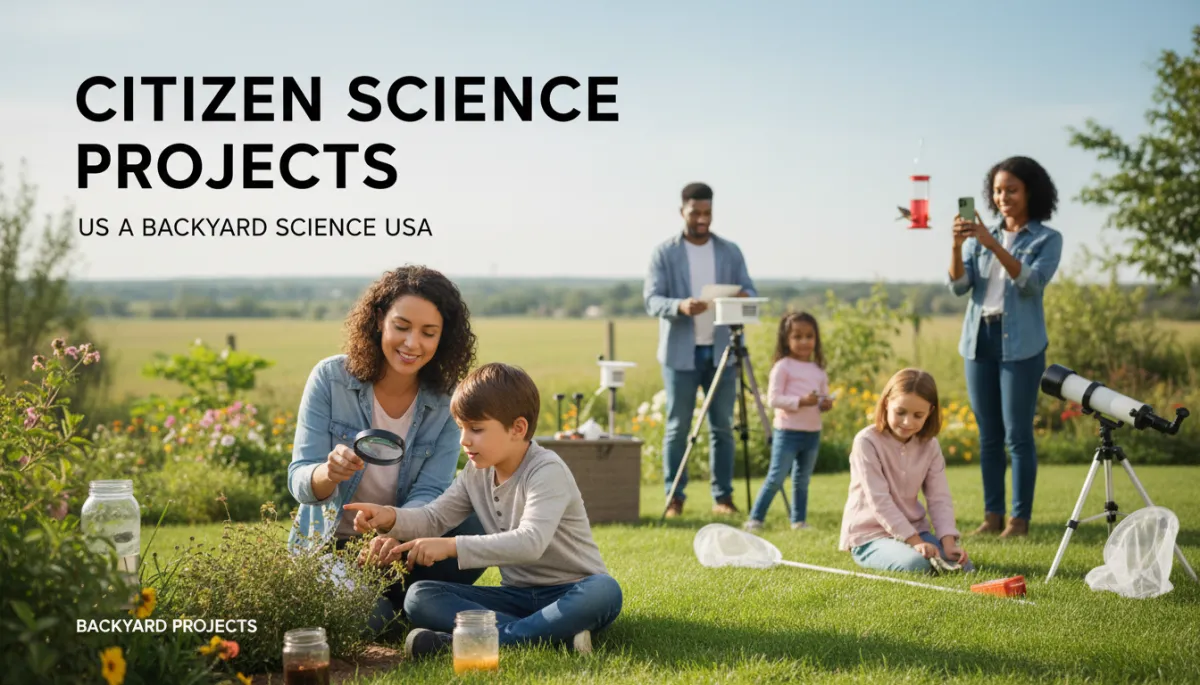
Join Backyard Citizen Science Projects Today
Citizen Science, Backyard Projects, Community Science
Citizen Science Projects Americans Can Join from Their Backyard
You don’t need a lab coat, a research grant, or a plane ticket to help scientists make real discoveries. All you need is a bit of curiosity, a patch of outdoor space, and a willingness to look closely at the world around you. Across the country, there are countless citizen science projects Americans can join right from their own yards, balconies, or neighborhood parks.
What Is Citizen Science, and Why Does It Matter?
Citizen Science (also called Community Science) is when everyday people work alongside professional researchers by collecting data, making observations, and sharing local knowledge. These projects turn simple Backyard Projects into valuable contributions that help answer big questions about climate change, wildlife, pollution, and more.
In the world of US backyard science, your bird feeder, your porch light, or even a puddle after a rainstorm can become part of a nationwide research effort. When thousands of people across the country log what they see, scientists gain a powerful, coast‑to‑coast view that would be impossible to gather on their own. That’s the magic of local citizen science USA style: it’s grounded in your neighborhood, but it feeds into projects with national and sometimes global reach.
💡 Friendly Tip: You don’t have to be an expert. Many projects are designed for beginners and provide step‑by‑step guides and easy‑to‑use apps.
Birdwatching from the Back Porch: eBird and the Great Backyard Bird Count
One of the most popular citizen science projects Americans can join is as simple as watching birds from a window. Cornell Lab of Ornithology’s eBird and the annual Great Backyard Bird Count invite people across the U.S. to record which bird species they see and when they see them. This kind of US backyard science helps scientists track migration patterns, detect population declines, and understand how birds respond to changing climates and habitats.
Set up a bird feeder or bird bath where you can watch comfortably.
Download a bird ID app (like Merlin Bird ID) to help with tricky species.
Log your sightings in eBird or during the Great Backyard Bird Count each February.
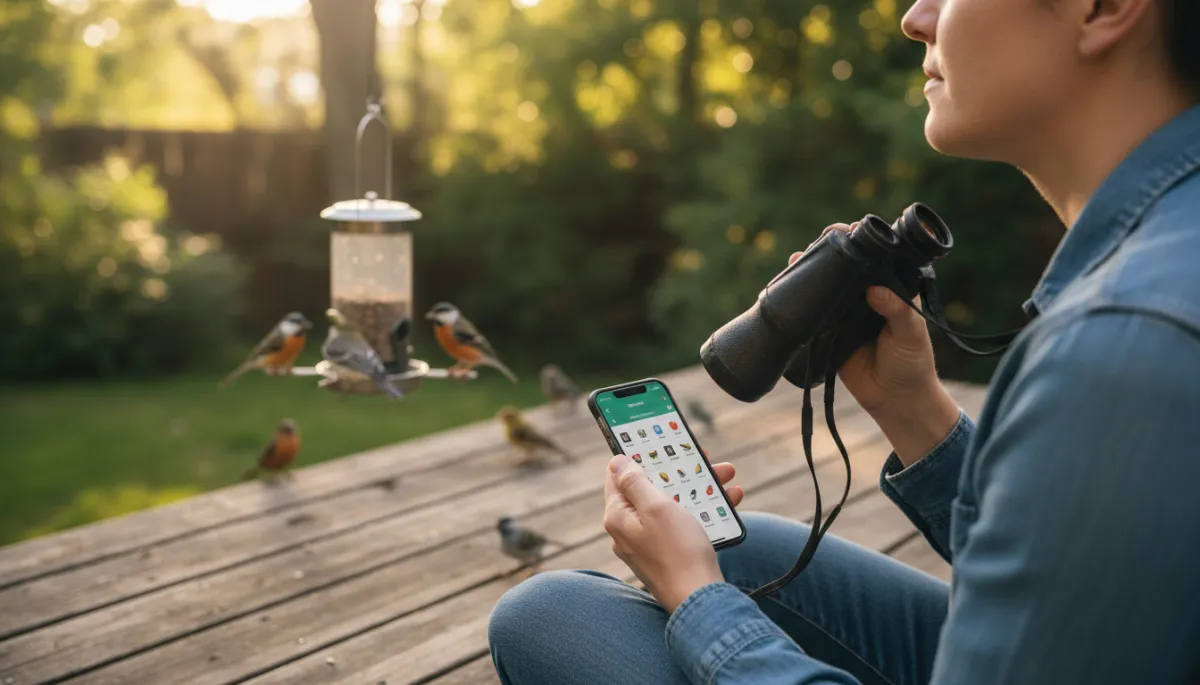
Simple bird sightings from your yard help map migrations across the U.S.
Stargazing for Science: Globe at Night and American Meteor Society
When the sun goes down, your backyard can become an observatory. Projects like Globe at Night ask volunteers to measure how many stars they can see from their location. By comparing what you see with star‑charts, you help researchers map light pollution around the world. It’s an easy entry into local citizen science USA efforts, especially if you live in a city or suburb where bright lights are an issue.
The American Meteor Society also invites people to report meteor sightings. If you catch a shooting star while relaxing in a lawn chair, you can log the time, direction, and brightness. Combined with reports from others, these data help track meteor showers and even locate meteorites that reach the ground. It’s one of those Backyard Projects that feels almost magical but still counts as serious Community Science.
💡 Friendly Tip: Turn off as many outdoor lights as you can, give your eyes 15–20 minutes to adjust, and you’ll see far more stars (and contribute better data).
Pollinators, Plants, and Backyard Biodiversity
If you have flowers, shrubs, or even a weedy corner, your yard is probably buzzing with pollinators. Projects like the Great Sunflower Project ask participants to plant pollinator‑friendly flowers and count visiting bees and butterflies for short observation periods. This kind of US backyard science helps track where pollinators are thriving and where they’re struggling, which is critical for food crops and native ecosystems alike.
Apps like iNaturalist and its kid‑friendly cousin Seek turn every plant, insect, or mushroom you spot into a data point. Snap a photo, upload it, and the community plus AI tools will help identify what you’ve found. These observations feed into global biodiversity databases and are a cornerstone of many citizen science projects Americans can join with nothing more than a smartphone and a bit of curiosity.
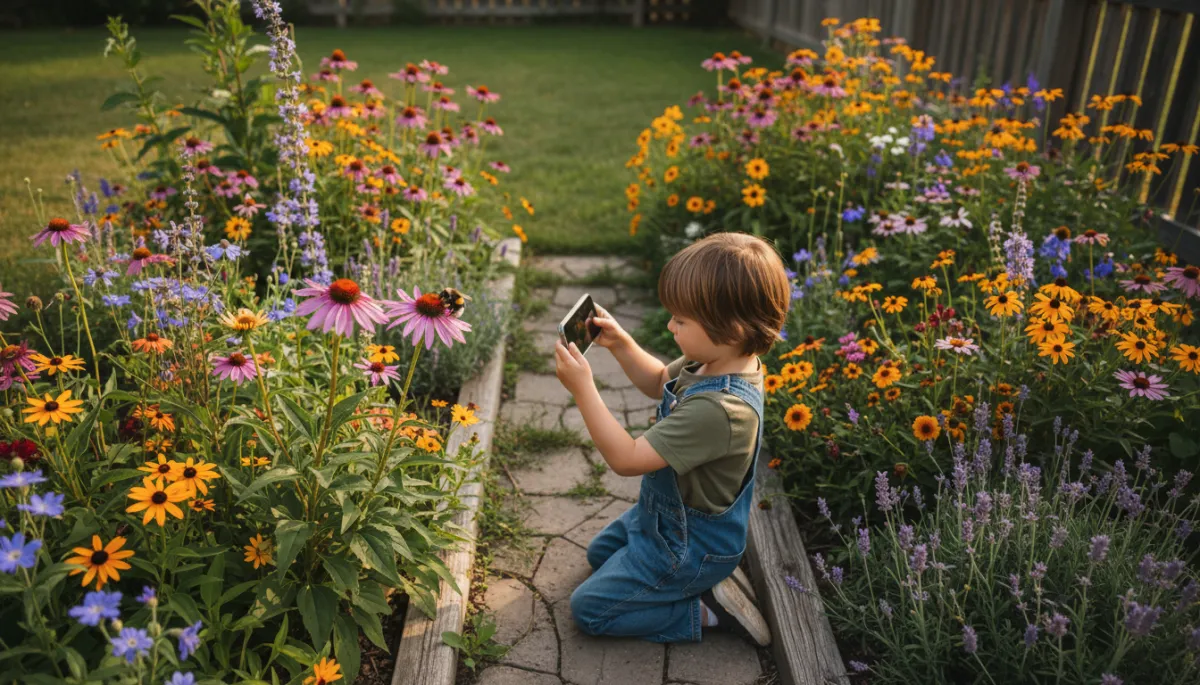
Backyard pollinator counts reveal where bees and butterflies still thrive.
Weather, Seasons, and Climate from Your Own Yard
Have you ever noticed the first day the daffodils bloom or when the leaves finally change color in fall? That’s called phenology—the study of seasonal changes in plants and animals—and it’s a major focus of Citizen Science in the U.S. The USA National Phenology Network invites volunteers to record when certain plants leaf out, flower, or drop their leaves. Over time, these records show how climate change is shifting the seasons.
You can also join weather‑focused Backyard Projects like CoCoRaHS (the Community Collaborative Rain, Hail & Snow Network). With a simple rain gauge mounted in your yard, you can report daily precipitation. These data help meteorologists refine forecasts, support flood research, and even assist farmers. It’s a classic example of local citizen science USA where neighbors across a region work together to build a detailed weather picture that satellites alone can’t provide.
Water Watchers: Puddles, Ponds, and Backyard Streams
Even a small water source—a rain barrel, bird bath, or seasonal puddle—can be part of Community Science. Some mosquito monitoring projects ask volunteers to report standing water and even collect larvae for identification. This helps public health officials track mosquito‑borne disease risks in real time. If you live near a creek or pond, water quality programs may provide simple test kits so you can measure clarity, temperature, or pH as part of broader watershed studies.
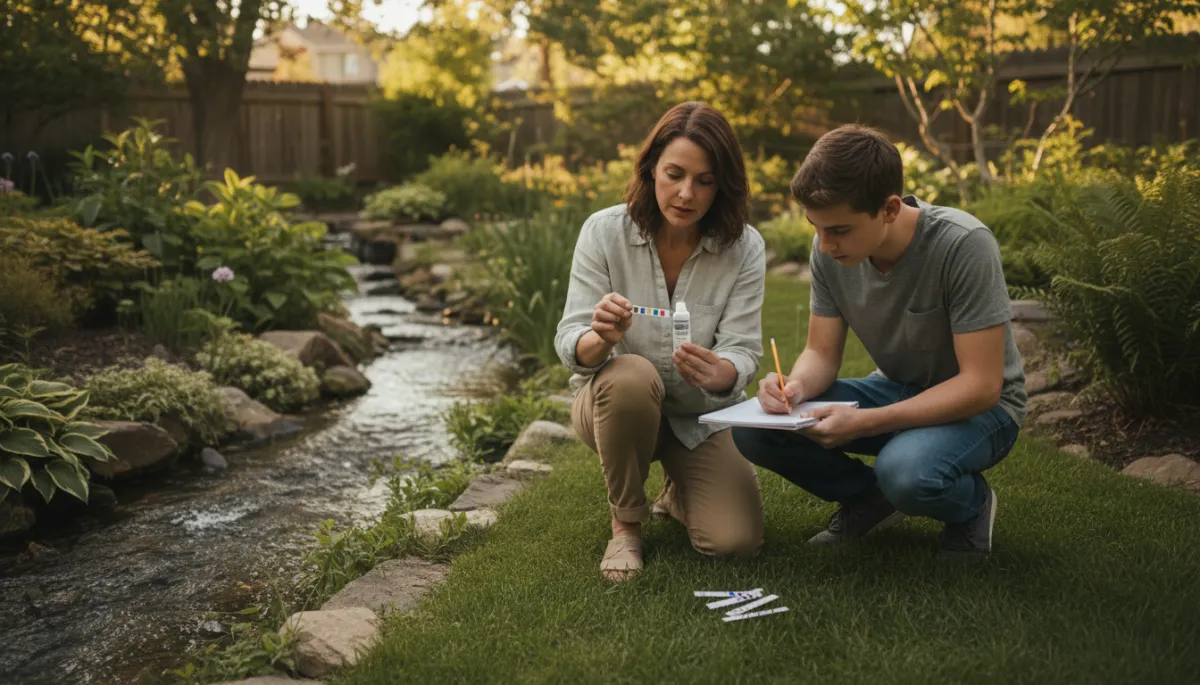
Local water checks add vital details to regional environmental research.
How to Get Started with Backyard Citizen Science in the USA
With so many citizen science projects Americans can join, it helps to start simple and choose something that genuinely interests you. Here’s a friendly roadmap to turn your outdoor space into a small but mighty research station:
Pick your focus. Do you love birds, stars, plants, weather, or water? Start with one theme that fits your space and schedule.
Find a project. Websites like Scistarter.org list hundreds of local citizen science USA opportunities. You can filter by “at home” or “backyard” to find projects designed for your setting.
Gather simple tools. Many Backyard Projects only require a notebook, smartphone, or basic items like a ruler, rain gauge, or binoculars. Most programs share clear instructions and printable data sheets or app tutorials.
Make it a routine. Set aside a regular time—maybe ten minutes with your morning coffee or a short evening stargazing break. Consistent observations are especially valuable in Community Science.
Invite others. Citizen Science is more fun with company. Include kids, neighbors, or friends. Many schools, scout troops, and community groups love adopting US backyard science projects as ongoing activities.
The Bigger Impact of Small Backyard Projects
It’s easy to underestimate how much your single yard, balcony, or sidewalk strip can matter. But when thousands of people across the country join citizen science projects Americans can join, patterns emerge that no single researcher could see alone. Bird counts reveal migration shifts. Flowering dates show changing seasons. Rainfall logs fill in gaps between weather stations. Pollinator observations highlight where conservation efforts are working—and where more help is needed.
These Backyard Projects also change how we see our own surroundings. Once you start participating in Citizen Science, the sparrow on the fence, the cloud passing overhead, or the frog calling after a rainstorm all become part of a bigger story. You’re not just a bystander; you’re a collaborator in the scientific process—right from your porch steps.
Ready to Turn Your Backyard into a Living Laboratory?
Whether you have a sprawling yard, a small patio, or just a view from an apartment window, there’s a US backyard science project waiting for you. Explore a few local citizen science USA options, pick one that sparks your interest, and start with a single observation. Over time, those small, friendly moments of curiosity add up to something powerful—for researchers, for your community, and for your own connection to the natural world.
The next time you step outside, imagine the invisible network of neighbors across the country doing the same—counting birds, measuring rain, watching stars, and sharing their findings. That’s Community Science in action, and your backyard can be an important piece of it. All you have to do is look, notice, and share what you see.
📌 Share Your Story or Take the Next Step: If you’ve already tried a backyard project, consider sharing your favorite observation, surprise discovery, or go‑to app with friends, neighbors, or on social media using your project’s hashtag. If you’re just getting started, pick one program mentioned here—like eBird, Globe at Night, iNaturalist, or CoCoRaHS—and make your first observation this week. Your experience might be the spark that inspires someone else to join in, too.