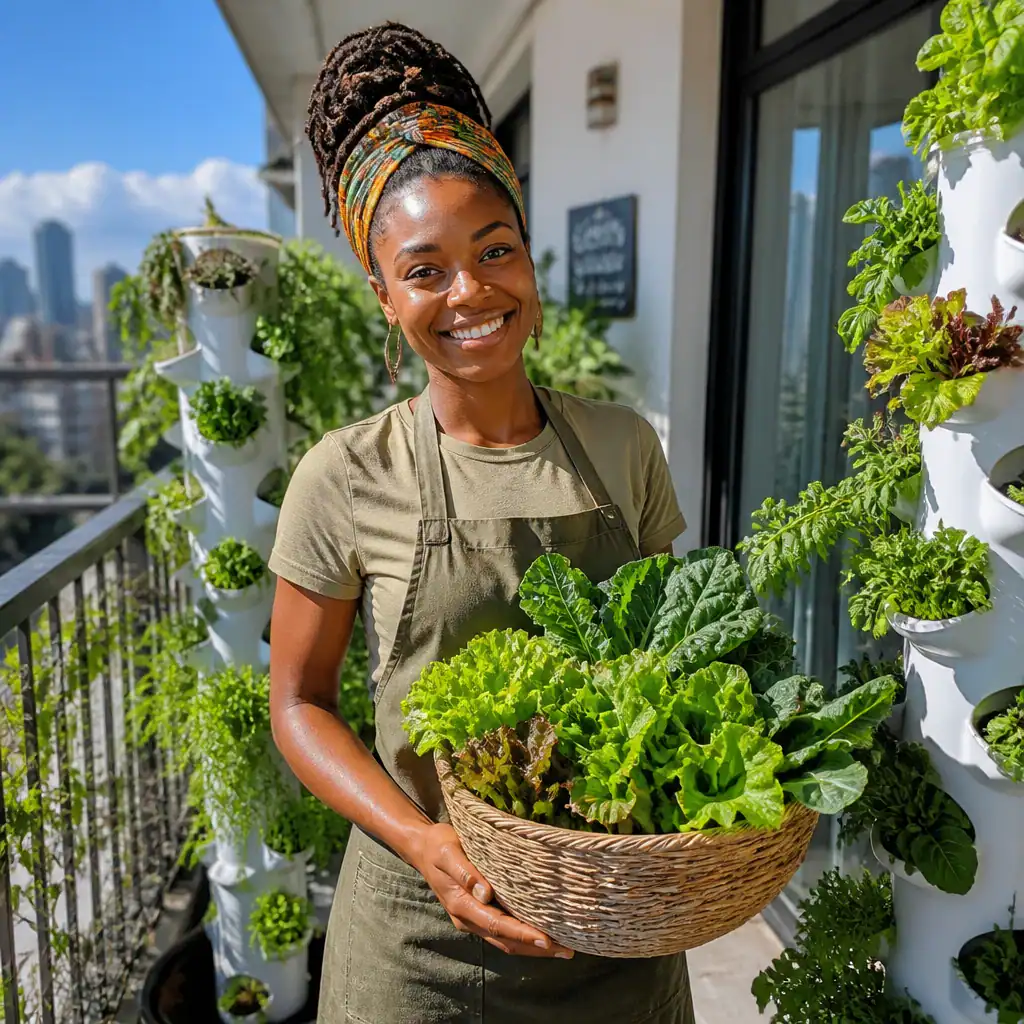


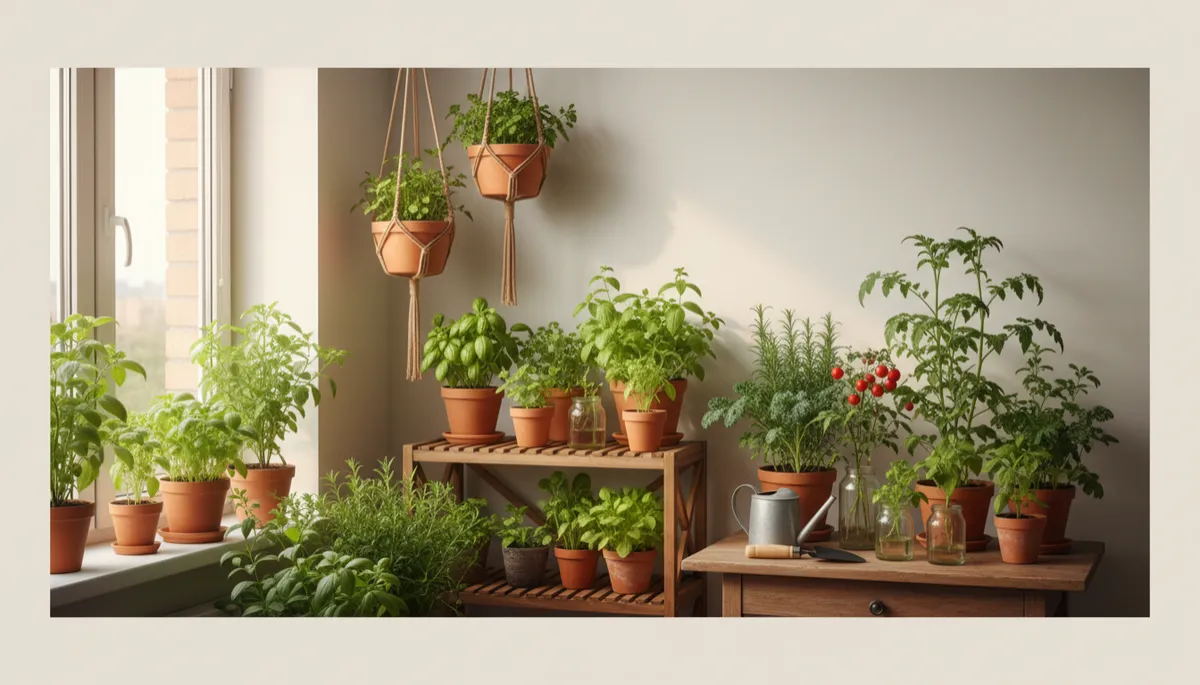
Grow Food in Your Apartment: No Backyard Needed
Home, Apartment Gardening, Small-Space Gardening
How I Learned to Grow Food in an Apartment Without a Backyard
The first time I carried a paper bag of freshly cut basil, lettuce, and cherry tomatoes from my living room to my kitchen, I laughed out loud. Somehow, in a tiny apartment on the fourth floor with no backyard, I had created a little indoor food garden that actually fed me dinner.
The Day I Realized My Windowsill Was a Farm
When I first moved into my small apartment, I mourned the backyard I never had. I grew up watching neighbors pick tomatoes from sprawling gardens and assumed homegrown food belonged to people with land, raised beds, and potting sheds. My reality was different: one narrow balcony, two windows, and a kitchen counter that always felt too crowded. Growing food in an apartment seemed like a charming idea reserved for social media, not for my cluttered, very real life.
Then one evening, I was chopping yet another bunch of store-bought herbs that had already started to wilt. The label said “locally grown,” but they had still traveled farther than I had that week. I looked over at my sunlit window, cluttered with mismatched mugs and a single struggling succulent, and a wild thought landed: What if this is enough space?
💡 Pro Tip: Before you buy anything, spend a few days simply watching where the light falls in your apartment. Your future apartment gardening success starts with sunlight.
Step One: Meeting Your Space (and Its Light)
To grow food in an apartment, you don’t start with seeds or soil, you start with observation. For a week, I made a small ritual of my mornings: coffee in hand, I walked from room to room and watched where the light lingered. The south-facing window in the living room glowed like a spotlight. The kitchen got gentle morning light. The bedroom stayed mostly dim, no matter the hour. Without realizing it, I was mapping my future indoor food garden.
If you’re just beginning your own small-space gardening journey, do the same. Notice:
Which windows get at least 4–6 hours of direct or bright indirect light?
Is there a balcony railing, a sunny corner, or an empty wall you rarely use?
Where could you hang something without bumping your head every day?
That simple act of noticing transformed my apartment from a cramped box into a landscape of tiny possibilities. The living room window became my “south field,” the kitchen counter my “herb patch,” and the balcony railing my “vine trellis.”
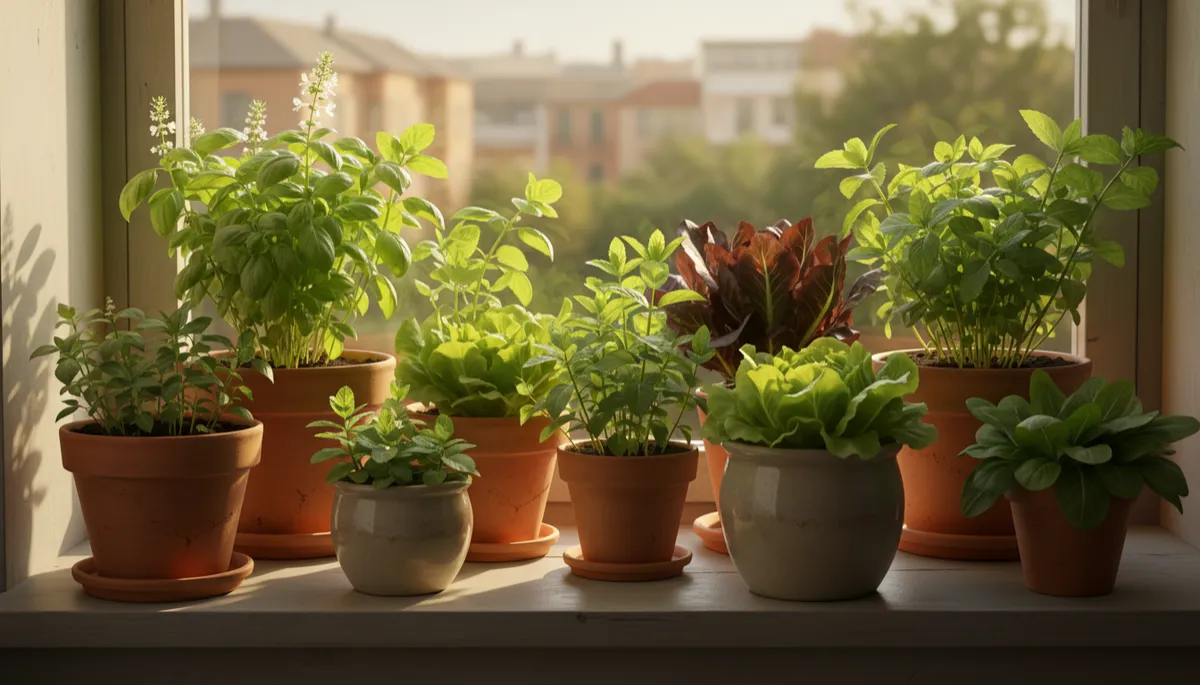
Even a single bright windowsill can become a surprisingly productive indoor food garden.
Choosing Crops That Actually Like Apartment Life
My first mistake was dreaming of watermelons and corn. Romantic, yes. Realistic for a fourth-floor walk-up? Not exactly. To grow food in an apartment without breaking your heart (or your back), you need plants that thrive in containers and don’t mind close quarters.
I started with a simple cast of characters, plants that reward beginners quickly and fit beautifully into small-space gardening:
Herbs: Basil, mint, parsley, cilantro, chives, and thyme. They’re forgiving and happy in small pots on a windowsill.
Leafy greens: Lettuce, arugula, spinach, and baby kale grow fast and don’t need deep soil.
Microgreens: Tiny, nutrient-packed greens that can grow in shallow trays on a shelf or countertop.
Dwarf varieties: Compact tomatoes, peppers, or bush beans bred for containers.
The first time I pinched a basil leaf from my own plant and dropped it into simmering tomato sauce, something shifted. Apartment gardening stopped being a hobby and started feeling like a quiet act of independence. I wasn’t just decorating my home with plants—I was feeding myself with them.
Building Up, Not Out: Vertical and Hidden Spaces
The turning point for my indoor food garden came the day I ran out of windowsill. Every flat surface was crowded with pots, and my friends joked that my living room looked like a greenhouse that had exploded. I could have stopped there, but I had discovered the secret language of small-space gardening: when you can’t grow out, you grow up.
I added a narrow, tall shelf next to the brightest window. Suddenly, I had five more levels of growing space. Hanging planters appeared above the kitchen sink. A simple rail with hooks on the balcony became a home for trailing cherry tomatoes and tumbling strawberries. My apartment hadn’t gotten any bigger, but the way I used it had changed completely.
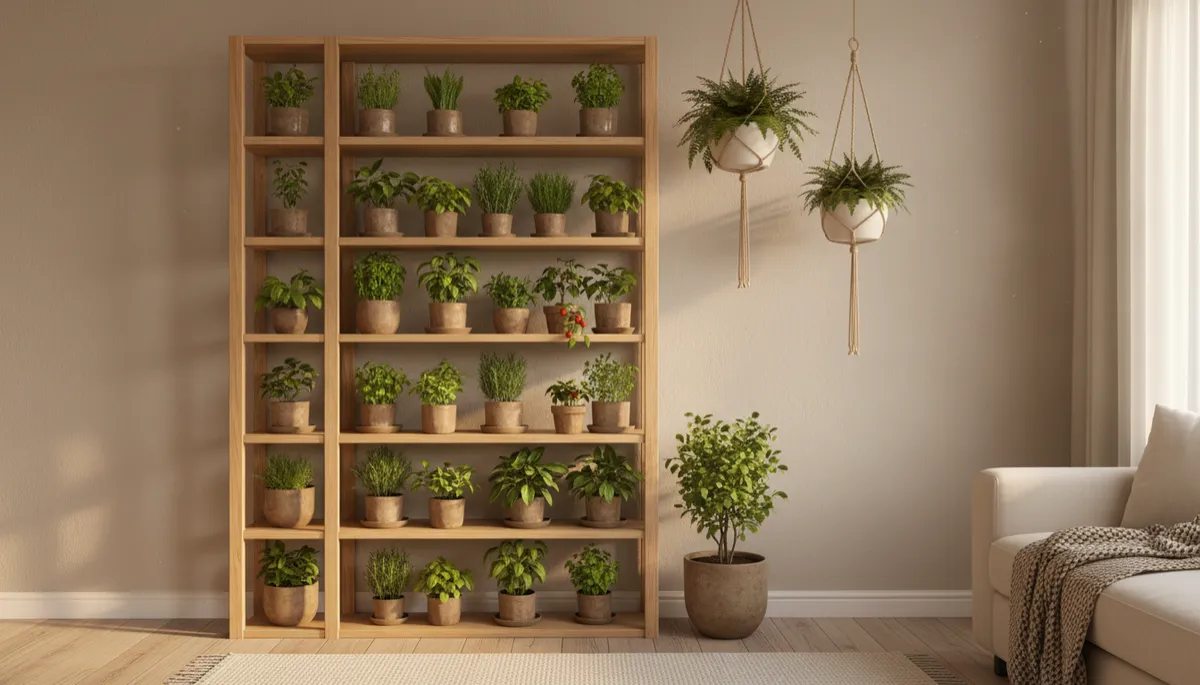
Vertical shelves and hanging planters turn unused corners into thriving food-producing spaces.
💡 Pro Tip: Think like a city planner. Use walls, rails, and vertical shelves the way skyscrapers use limited land—efficiently and creatively.
Soil, Water, and the Art of Not Drowning Your Plants
I wish I could say my apartment gardening story is all sunshine and harvests, but the truth is, I once killed a basil plant in a single week. Not from neglectfrom love. I watered it every day, certain that more care meant more growth. Instead, the soil stayed soggy, the roots suffocated, and the leaves drooped in slow motion. That little plant taught me one of the most important lessons of growing food in an apartment: good drainage is everything.
Here’s what finally worked:
Using pots with drainage holes and simple saucers underneath to protect my floors.
Choosing a high-quality potting mix labeled for containers, not heavy garden soil.
Watering deeply but less often—waiting until the top inch of soil felt dry before watering again.
Over time, I learned the subtle language of my plants. Basil leaves drooping slightly? Time for a drink. Lettuce turning bitter and tall? It’s too hot and needs a cooler spot. Growing food in an apartment became a daily conversation, a quiet checking in with the living things that now shared my home.
When the Sun Isn’t Enough: Lights, Schedules, and Rituals
Not every apartment is blessed with generous sunlight. One winter, gray clouds parked over my city for weeks, and my plants sulked. Leaves yellowed, growth slowed, and my once-vibrant shelves looked tired. That’s when I introduced a new character into my indoor food garden story: a simple, full-spectrum grow light.
I clipped the light to my shelf, set a timer for 12–14 hours a day, and watched my little ecosystem wake back up. The glow became part of my evening routine. I’d come home, see the soft light bathing the herbs and greens, and feel an unexpected sense of calm. Even on the darkest days, something in my apartment was quietly, stubbornly growing.
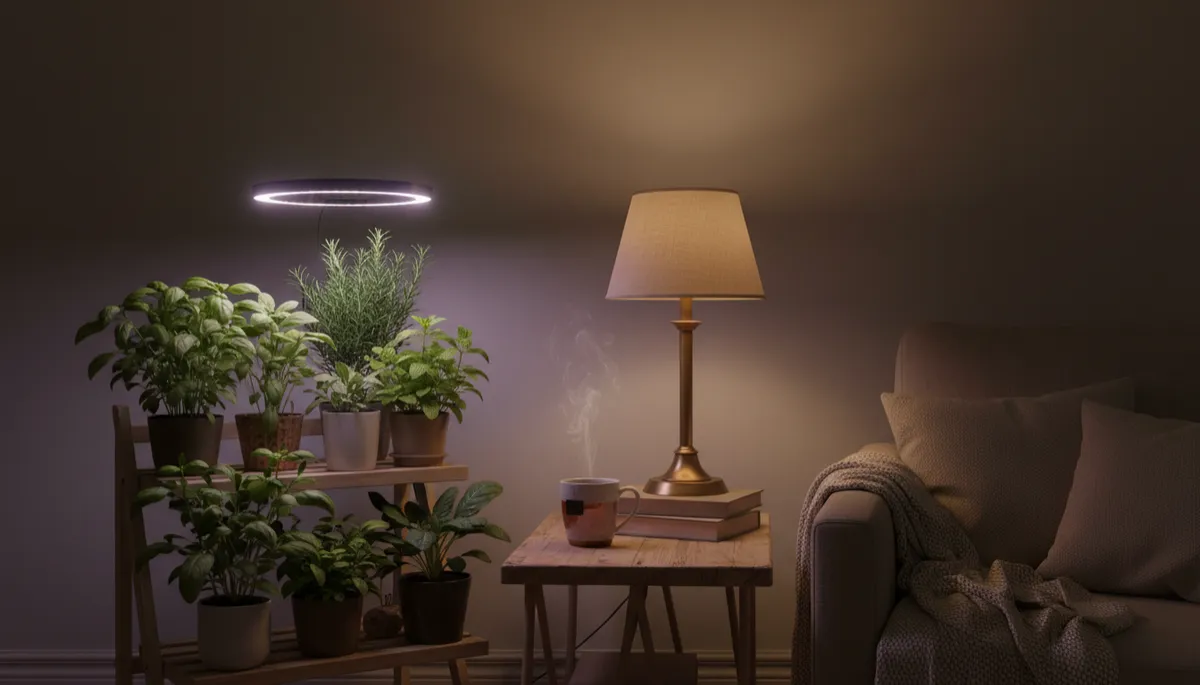
A simple grow light can keep your indoor food garden thriving through dark winters and shaded apartments.
Harvesting More Than Food
Over time, my small-space gardening experiment changed the way I moved through my days. Mornings began with a quick check on the lettuce and a pinch of mint for my tea. Evenings often ended with a pair of scissors in hand, snipping arugula leaves for a salad or parsley for a soup. The act of growing food in an apartment became less about saving money or achieving self-sufficiency and more about rhythm and relationship.
I noticed I wasted less food because I harvested only what I needed. I felt more connected to the seasons, even though my “garden” lived entirely indoors. And perhaps most surprisingly, I began to see my small apartment not as a limitation, but as a partner—an intimate space that could hold both my life and my food.
💡 Pro Tip: Start small—a pot of basil, a tray of microgreens, a single lettuce bowl. Let your indoor food garden grow alongside your confidence.
Your Turn: Writing Your Own Apartment Gardening Story
You don’t need a backyard, raised beds, or a sprawling porch to grow your own food. You need curiosity, a bit of patience, and a willingness to let your home become a little wilder, a little greener. Whether you’re working with a single window or a tiny balcony, you can create an indoor food garden that feeds you in more ways than one.
Start by watching the light. Choose a few forgiving plants. Add shelves or hanging planters when you run out of space. Learn the rhythm of watering and the language of drooping leaves and new shoots. And one day, you’ll find yourself standing in your kitchen, holding a handful of herbs or a bowl of just-picked salad greens, marveling that all of this came from your small apartment without a backyard.
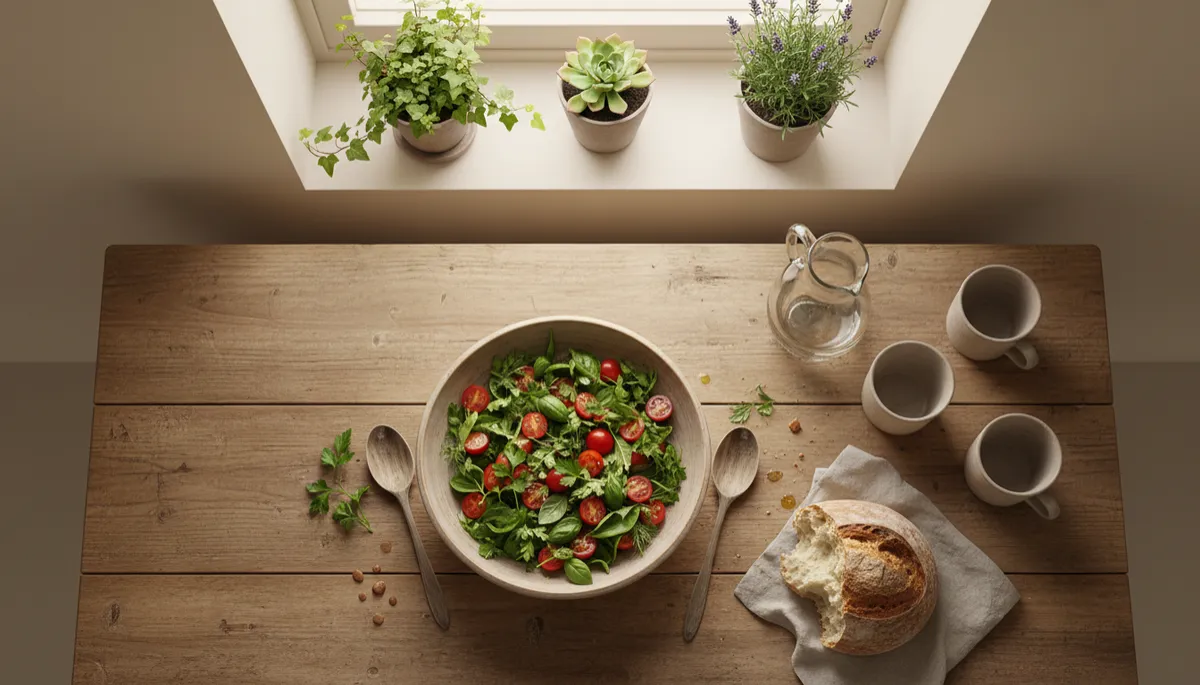
The real reward of small-space gardening is tasting a meal grown just a few steps from your kitchen.
The story of how you grow food in an apartment will be different from mine. Your windows, your light, your tastes, and your routines will shape it. But somewhere between the first seed you plant and the first leaf you harvest, you’ll discover a quiet truth: even in the smallest spaces, life finds room to grow—and so do you.