

Essential Tips for New Houseplant Parents
Houseplants, New Plant Parent Tips, Indoor Living
What Every New Plant Parent Should Know Before Buying a Houseplant
The first time you bring a houseplant home, it feels a little like adopting a tiny, leafy roommate. Before you fall in love with the first glossy green leaf you see, there are a few stories every new plant parent should hear.
The Day the Fiddle-Leaf Fig Dropped All Its Leaves
Maya still remembers the exact sound—tiny thuds on the floor—when her brand-new fiddle-leaf fig started dropping leaves one by one. She had carried it home like a trophy, imagining it starring in every future selfie. Two weeks later, it looked more like a tall stick in a pot than the lush plant she’d met at the store. That was her first lesson in houseplant basics: beauty at the nursery doesn’t guarantee happiness at home.
If you’re about to become a plant parent, Maya’s story might sound familiar, either as a warning or a memory. Before you start buying houseplants, it helps to know what you’re actually inviting into your life: a living thing with preferences, moods, and a very particular opinion about your apartment’s light and watering habits. The good news? With a few new plant parent tips, you can avoid the heartbreak of the leaf-drop drama and build a home where plants actually thrive.
Step One: Meet Your Space Before You Meet Your Plant
Before you fall for a plant, spend a day paying attention to your home. In the morning, notice which windows flood with sun and which corners stay dim. At noon, see where the light becomes harsh and where it softens. By evening, track which rooms turn into cozy caves. This little “light tour” is one of the most underrated houseplant basics, and it will quietly determine whether your new green friend thrives or sulks.
💡 Pro Tip: Take photos of your rooms at different times of day and bring them when you’re buying houseplants. It’s like showing the plant shop a sneak peek of your plant’s future home.
Light isn’t the only character in this story. Notice drafts near windows, blasting radiators, and air-conditioning vents. Many indoor plant mistakes come from placing a plant in the one spot that looks perfect in photos but feels terrible to live in, like right above a heater or in a chilly hallway. Plants don’t care about your Instagram grid; they care about comfort.
Choosing Your First Plant: Start with the “Friendly Cast”
When you finally walk into the plant shop, it can feel like stepping onto a movie set. There’s the dramatic fiddle-leaf fig, the glamorous monstera, the mysterious calathea. But if this is your first time buying houseplants, you don’t need a diva. You need a dependable co-star—plants that forgive a missed watering or two and tolerate less-than-perfect light while you learn the ropes of plant care.
Pothos: The easygoing friend who thrives in bright, indirect light but accepts lower light without drama.
Snake plant: The low-maintenance roommate that survives forgetful watering and a range of light conditions.
ZZ plant: The plant equivalent of a superhero cape, tolerating low light and infrequent watering with a glossy grin.
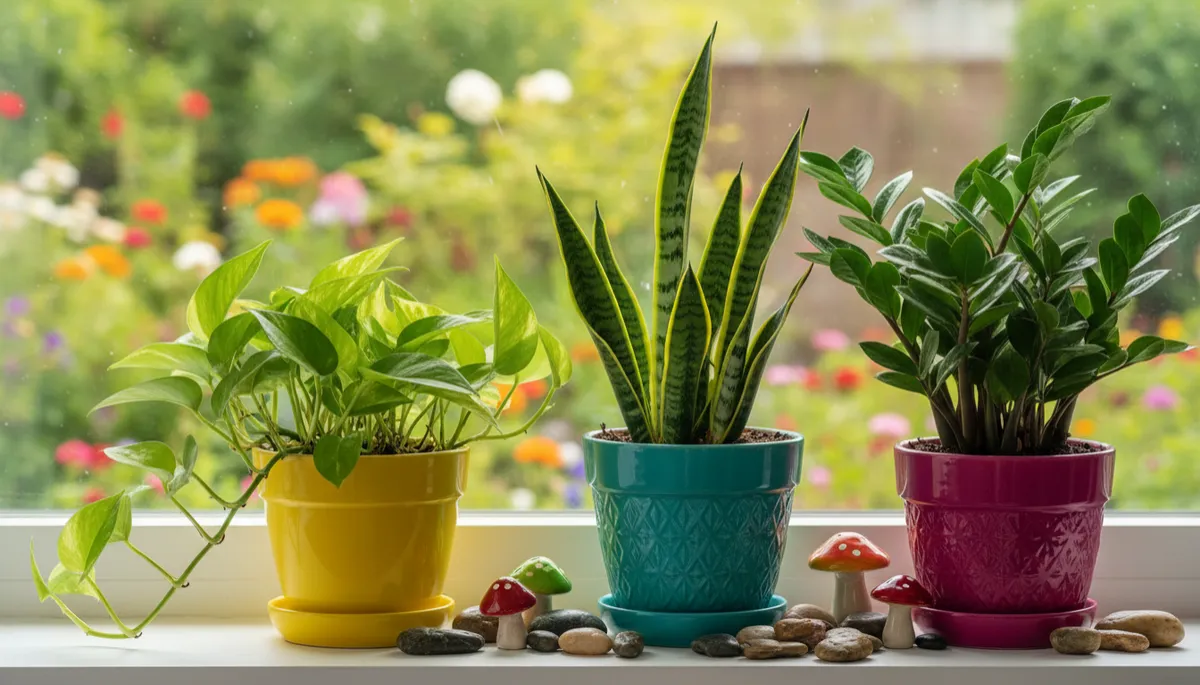
Beginner-friendly plants let you practice care while still enjoying lush, vibrant growth.
One of the smartest new plant parent tips is to start with just one or two plants instead of turning your home into a jungle overnight. It’s tempting to buy a cartful, but each plant adds a small routine to your life: checking the soil, rotating the pot, watching for pests. Begin with a tiny “cast” you can actually get to know. Once you understand their personalities, you can invite more green guests in.
Watering: The Plot Twist Most New Plant Parents Don’t See Coming
Ask any plant shop owner about the most common indoor plant mistakes, and they’ll probably sigh and say one word: overwatering. New plant parents often equate love with frequent watering, but many houseplants prefer a good drink followed by a chance to dry out. Roots need air as much as they need moisture, and constantly soggy soil can suffocate them.
💡 Pro Tip: Instead of watering on a strict schedule, check the soil. Stick your finger about an inch deep. If it feels dry, it’s time for water; if it’s still damp, wait.
Another overlooked detail in houseplant basics is drainage. Those adorable pots with no drainage holes? They’re like bathtubs with no plugwater goes in and never escapes. When you’re buying houseplants, look for pots with holes at the bottom, or keep your plant in its plastic nursery pot and place that inside a decorative cover. That way, excess water can escape, and you can empty the saucer instead of letting roots sit in a swamp.
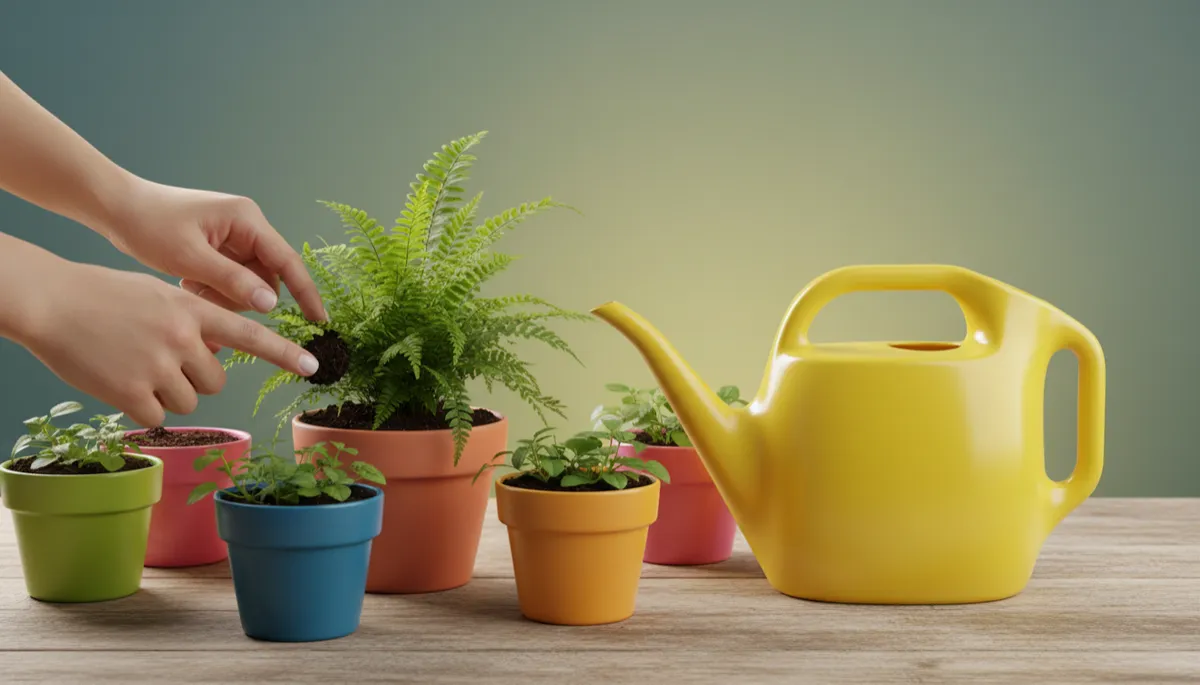
Checking soil moisture first prevents overwatering, the number one plant parent misstep.
Light, Distance, and the “Move-In” Period
When Maya brought home her second plant—a humble pothos—she did one thing differently: she respected the “move-in” period. Plants don’t just adjust to a new address; they adjust to new light, new humidity, and new routines. It’s normal for a plant to pause growth or drop a leaf or two as it settles. The key is not to panic and start dramatically changing everything at once.
Place your new plant in bright, indirect light—near a window, but not pressed against the glass where harsh midday sun can scorch leaves. Remember, “bright” doesn’t mean “blazing.” A sheer curtain can transform harsh rays into gentle, filtered light, which many tropical houseplants adore. This simple awareness of light is at the heart of smart new plant parent tips and will save you from many indoor plant mistakes.
Reading the Leaves: Your Plant’s Way of Talking Back
Plants don’t text, but they do send messages. Yellowing leaves can hint at overwatering. Crispy brown edges may whisper, “Too much sun,” or, “Hey, I’m thirsty.” Drooping can mean both overwatering and underwatering, which sounds confusing until you pair it with the story of the soil: wet and droopy usually means too much water; dry and droopy, not enough.
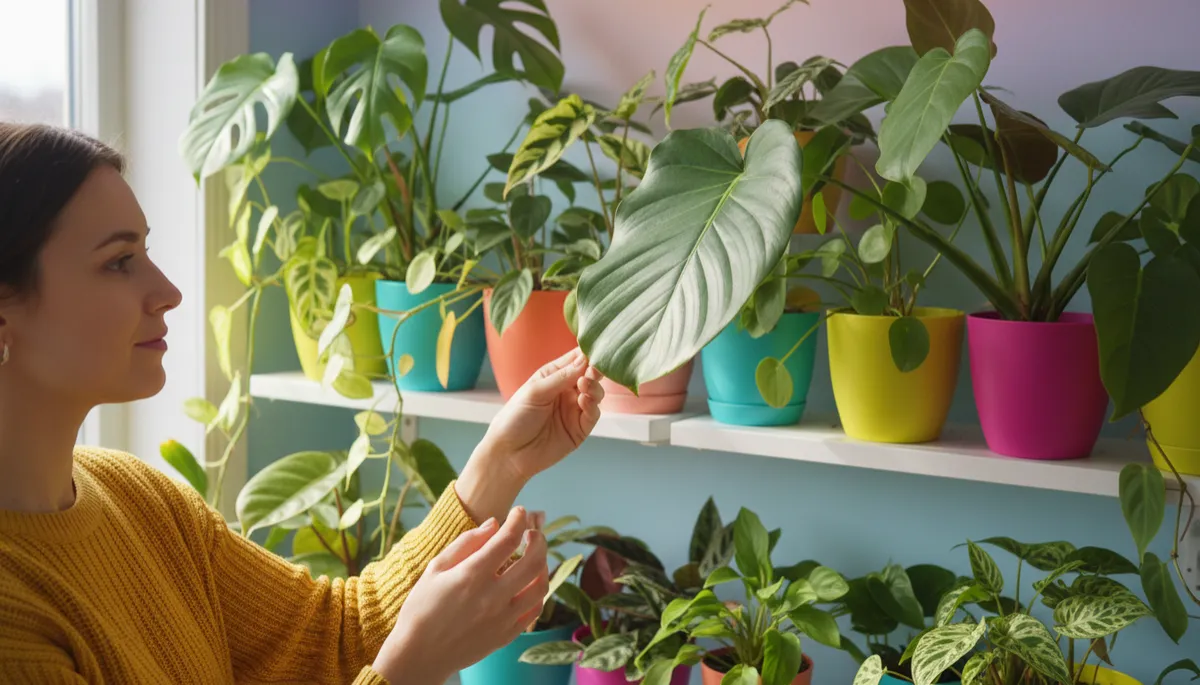
Learning to read leaf signs turns confusion into confident, responsive plant care.
One of the most empowering houseplant basics is learning to observe before you react. Instead of changing everything at once—more water, less water, new spot, new pot—make one small adjustment and watch what happens over a week or two. Plants move at a slower pace than we do. Your patience gives them space to respond, and soon you’ll start to feel like you’re having a conversation instead of a crisis.
The Quiet Joy of Routine (and the Beauty of Imperfection)
A month after Maya brought home her pothos, she noticed something small but magical: a new leaf slowly unfurling, pale and tender, turning deeper green day by day. That leaf wasn’t just a sign the plant was happy; it was proof that her gentle routines—checking the soil, rotating the pot, wiping dust off the leaves—were working. The plant was growing, and so was she, in her own quiet way.
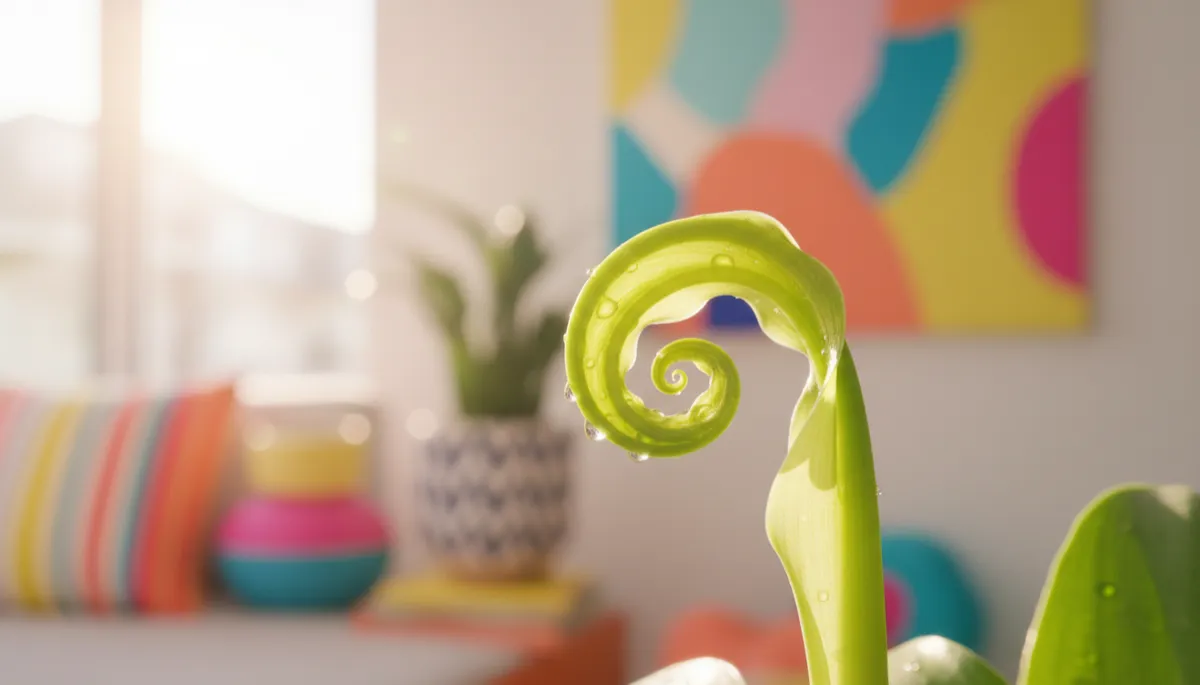
Each new leaf is a small reward for your consistency, curiosity, and care.
That’s the secret many guides on buying houseplants don’t mention: your plants will never look as flawless as the staged photos in catalogs, and that’s okay. Real plants get the occasional brown tip, a quirky lean toward the window, a scar from a bumped leaf. Those little imperfections tell the story of a living thing adapting to a real home, with real people and real schedules.
Bringing It All Together: Your First Chapter as a Plant Parent
Before you bring home your first plant, remember Maya’s two stories: the dramatic leaf-drop of the fiddle-leaf fig and the quiet victory of the pothos. One came from rushing in without understanding her space or the plant’s needs; the other grew from simple, thoughtful new plant parent tips and respect for houseplant basics. Your own plant journey will sit somewhere between those two tales, full of experiments, small mistakes, and satisfying wins.
So, before your next trip buying houseplants, pause and ask yourself:
What kind of light does my home actually have?
How often can I realistically check on my plants?
Am I choosing forgiving plants while I learn, or temperamental showpieces I’m not ready for yet?
Avoid the classic indoor plant mistakes—overwatering, ignoring light, choosing high-maintenance plants too soon—and you’ll give yourself room to grow alongside your plants. Your first houseplant doesn’t have to be perfect, and neither do you. All it takes is curiosity, a bit of observation, and the willingness to learn from every new leaf, every yellowed edge, and every small success along the way.
Somewhere in your future, there’s a plant that will unfurl a brand-new leaf in your kitchen, or send a trailing vine across your bookshelf, and you’ll realize: you’re not just decorating a space. You’re building a tiny, living, breathing story—and you’re the plant parent at the center of it.