



DIY Nootropic Stacks: Safe Options for 2026
Health, DIY Nootropic Stacks USA
DIY Nootropic Stacks: Safe, Legal Options for Americans in 2026
Curious about boosting focus, memory, or creativity without breaking the law or wrecking your health? In 2026, there are plenty of ways to explore DIY nootropic stacks USA-style while staying on the right side of regulations and supporting your brain naturally.
What Exactly Are Nootropics in 2026?
Nootropics are substances that may support cognitive functions like memory, focus, motivation, and mental energy. They can be prescription medications, over-the-counter supplements, or everyday foods and drinks. In everyday language, people often call them “smart drugs” or “brain boosters,” but that can be misleading, especially in the United States, where legality and safety vary widely.
When people talk about DIY nootropic stacks USA, they usually mean combining several legal supplements, foods, or habits to gently support concentration, mood, and resilience—without using controlled substances or unapproved drugs. Think of it less like hacking your brain and more like giving it thoughtful, science-informed support.
The Legal Landscape: What’s Safe to Use in America?
In the U.S., nootropics fall into three main buckets:
Controlled substances under the Controlled Substances Act (like classic psychedelics) – these are off-limits for DIY stacks and remain illegal federally as of 2026.
Prescription medications such as modafinil or methylphenidate, legal only with a prescription and medical supervision, typically for conditions like narcolepsy or ADHD (OPSS).
Dietary supplements and foods regulated under DSHEA – herbs, vitamins, and nutrients that can be sold as supplements as long as they don’t claim to treat disease and have a reasonable safety profile.
Many synthetic compounds that nootropic forums love, like racetams (e.g., piracetam, aniracetam), phenibut, picamilon, and certain stimulants, are considered unapproved drugs by the FDA. They are not allowed to be marketed as supplements in the U.S., even if they’re not formally scheduled as controlled substances (FDA warning letters). For a safe, low-stress approach, it’s wise to keep your DIY stacks focused on clearly legal nootropics America recognizes as dietary ingredients.
💡 Friendly reminder: Laws can change, and some states have extra rules (for example, around kratom). When in doubt, check your state’s health department or FDA notices before ordering anything unusual online.
Principles of Safe Cognitive Biohacking in the US (Naturally)
If your goal is safe cognitive biohacking US naturally, it helps to think in layers. Supplements are just one layer, and they work best when the basics are covered:
Sleep: 7 to 9 hours of consistent, high-quality sleep is still the most powerful “nootropic” you can get for free.
Movement: Regular exercise improves blood flow to the brain and supports mood and memory over time.
Nutrition: Omega-3 fats, colorful vegetables, and adequate protein give your brain raw materials to thrive.
Once those foundations are in place, gentle, legal supplements can add a small but meaningful edge. Stacking them thoughtfully, rather than throwing everything into a pill organizer at once—is what makes DIY nootropic stacks both effective and sustainable.
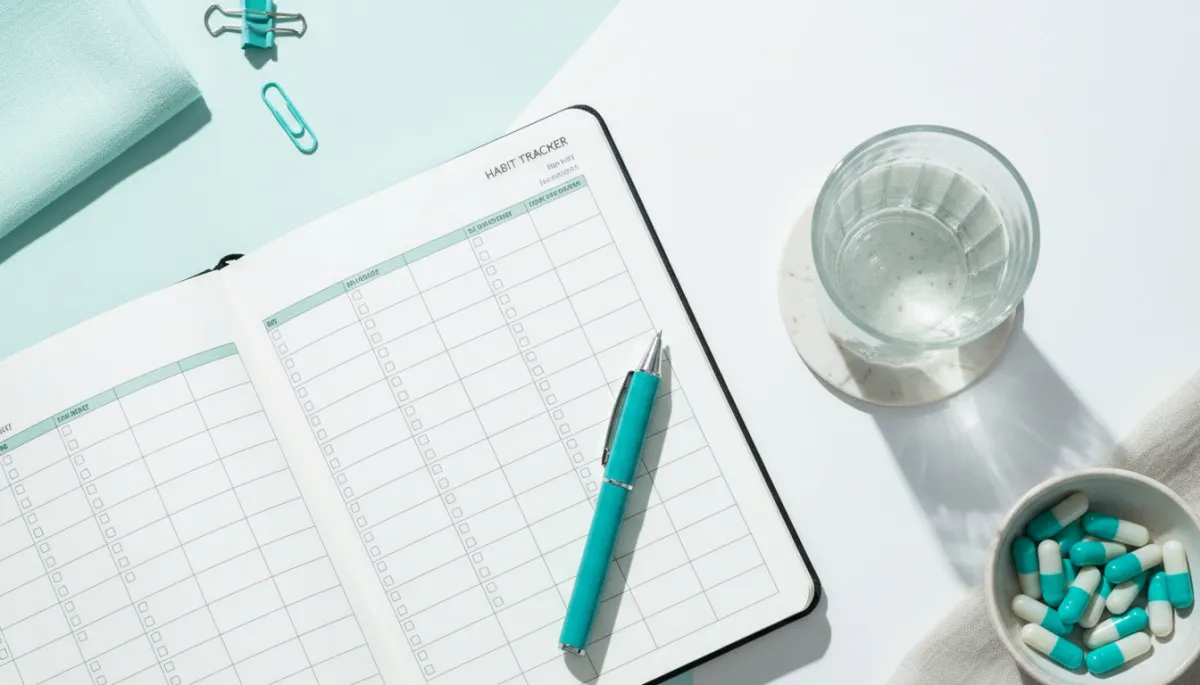
Tracking sleep, mood, and focus helps you see which stacks truly support you.
Core Ingredients for Beginner-Friendly DIY Nootropic Stacks USA
Below are widely available supplements and foods that many Americans use in their stacks. None of this is medical advice, and you should always talk with a healthcare professional, especially if you take medications, are pregnant, or have health conditions. But as of 2026, these options have relatively good safety profiles in healthy adults when used responsibly.
1. Caffeine + L-Theanine: Smooth Focus
This classic pair shows up in many guides to safe nootropic stacks for cognitive enhancement. Caffeine sharpens alertness, while L-theanine (an amino acid from tea) can reduce jitters and support a calmer, more focused state. Many people start with the caffeine they already drink—coffee or matcha—and add 100 to 200 mg of L-theanine alongside it (Healthline).
2. Bacopa Monnieri: Memory Support Over Time
Bacopa is an herb used traditionally in Ayurveda. Research suggests it may support memory and reduce anxiety when taken consistently for weeks to months (NCBI review). It’s not an instant “limitless pill,” but it fits well into a long-term, gentle brain-care plan.
3. Citicoline (CDP-Choline): Brain Fuel and Focus
Citicoline is a choline source that supports brain cell membranes and neurotransmitter production. Many people find it pairs well with caffeine or other gentle nootropics to support mental clarity and reduce “brain fog.” It’s widely sold as a dietary supplement in the U.S.
4. Lion’s Mane Mushroom: Long-Game Neuro Support
Lion’s mane is a culinary and medicinal mushroom that may support nerve growth and protect against cognitive decline. Early studies are promising, and many people add it to morning coffee or capsules for subtle, long-term support.
5. Rhodiola Rosea: Stress and Fatigue Helper
Rhodiola is an adaptogen, an herb that helps your body adapt to stress. It may reduce fatigue and support cognition under pressure, making it popular with students and professionals during busy seasons (NCBI). Because it can be energizing, many people take it earlier in the day.
6. Omega-3 Fatty Acids and B Vitamins: Foundational Nutrition
Fish oil or algae-based omega-3s (EPA and DHA) support brain structure and mood. B vitamins, especially B6, B9, and B12, are crucial for energy metabolism and healthy homocysteine levels. These aren’t flashy, but they anchor many legal nootropics America users rely on daily.
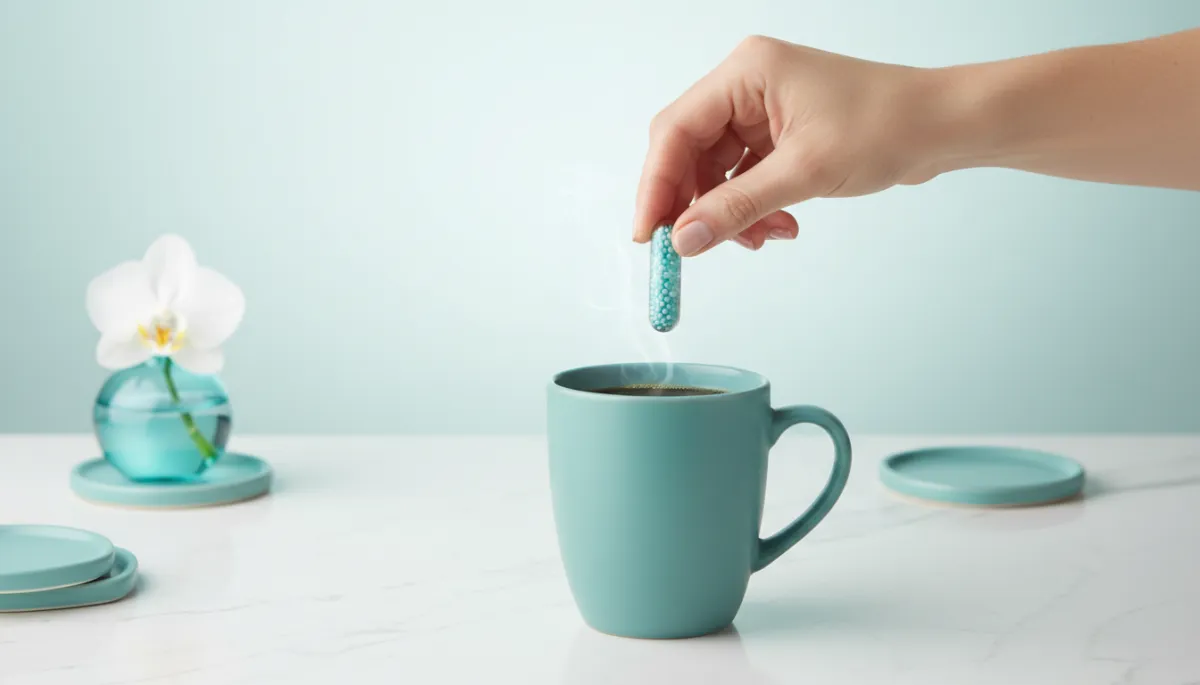
Simple combinations like caffeine and L-theanine can feel surprisingly effective.
Sample DIY Nootropic Stacks for Everyday Life
Here are a few gentle, food-and-supplement-based stacks many people in the U.S. experiment with. Adjust doses with your healthcare provider’s input, and introduce only one new ingredient at a time so you can tell what’s doing what.
Focus Morning Stack (Work or Study Days)
1 cup coffee or strong green tea (for caffeine)
100 to 200 mg L-theanine
Citicoline (dose per label or provider guidance)
This combo aims for clear, steady focus without the roller coaster of caffeine alone. It’s a go-to in many DIY nootropic stacks USA discussions because all ingredients are widely available and legal as supplements.
Long-Term Memory and Mood Stack
Bacopa monnieri (standardized extract, daily)
Lion’s mane mushroom (capsule or powder)
Omega-3 supplement with EPA and DHA
This stack is more about slow, steady brain support than instant performance. Many people notice benefits after several weeks of consistent use, especially when paired with good sleep and regular movement.
Stressful Season Support Stack
Morning: Rhodiola rosea (adaptogen for stress and fatigue)
Daily: Omega-3s and a quality B-complex vitamin
Evening: Herbal tea ritual (chamomile, lemon balm, or other relaxing herbs) to wind down.
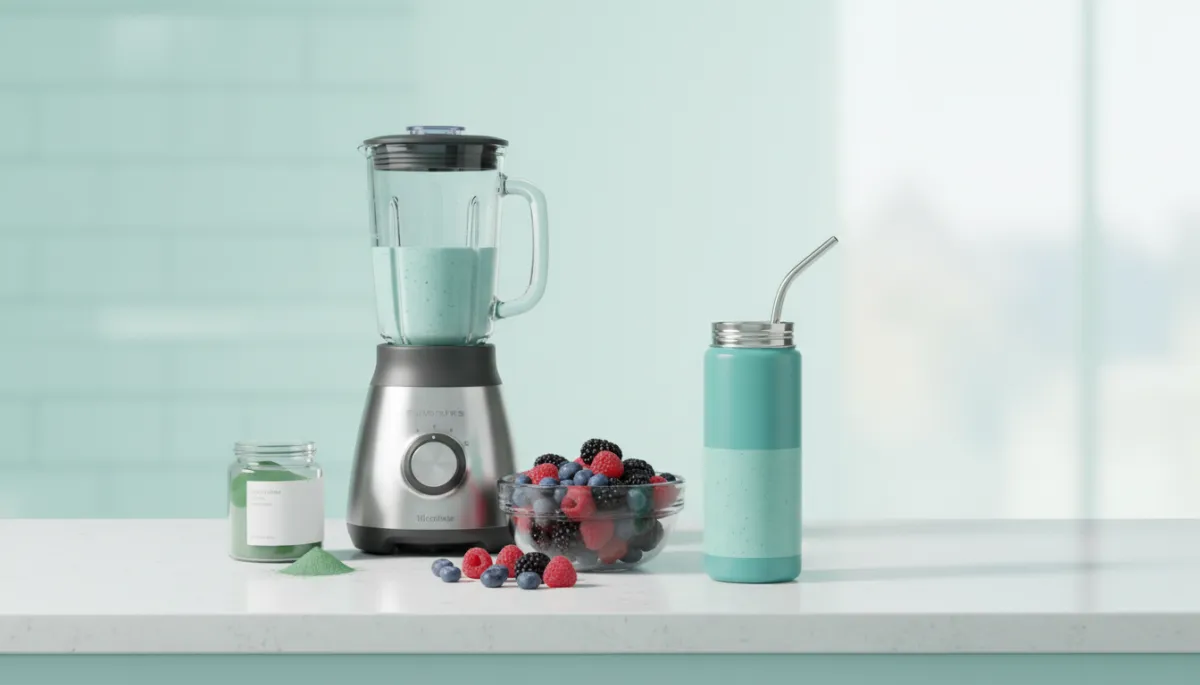
Smoothies and teas are easy ways to fold gentle nootropics into daily life.
Fun DIY Nootropic Recipes You Can Try at Home
If you enjoy experimenting in the kitchen, you can turn some of these ingredients into tasty drinks instead of just swallowing capsules. Here are a few DIY ideas inspired by current nootropic recipes (Healthline).
Matcha Green Tea Elixir
Whisk matcha powder into warm almond milk with a touch of honey and cinnamon. Matcha gives you caffeine plus L-theanine naturally, making this a built-in focus stack in a mug.
Omega-3 Breakfast Shake
Blend plant-based protein powder, mixed berries, and oat milk with chia seeds or flaxseed oil. You get protein, fiber, and omega-3s in one simple breakfast that supports energy and brain health.
Planning small, consistent routines beats chasing extreme, risky stacks.
Red Flags and Safety Tips for 2026 Nootropic Shoppers
Even when you stick to legal nootropics America allows, quality matters. Recent FDA actions have found products contaminated with illegal stimulants like DMAA and DMHA, or unapproved drugs like phenibut, hidden in “brain booster” blends. Here are a few friendly guidelines:
Avoid products promising instant, dramatic IQ increases or “prescription strength” results without a prescription.
Be wary of blends that hide exact doses behind “proprietary formulas.”
Look for third-party testing and transparent ingredient lists from reputable U.S. brands.
Introduce only one new supplement at a time, at the lowest effective dose recommended by your healthcare provider.
📌 Key takeaway: Safe cognitive biohacking in the US naturally is less about chasing exotic compounds and more about combining legal, gentle ingredients with solid lifestyle habits.
Bringing It All Together: A Friendly, Sustainable Approach
DIY nootropic stacks in the USA don’t have to be complicated, risky, or expensive. In 2026, you can build a thoughtful routine from ingredients that are clearly legal, reasonably well-studied, and gentle enough for long-term use in most healthy adults, always with your doctor’s guidance in the background.
Start with your foundations: sleep, movement, and nourishment. Layer in a simple focus stack like caffeine plus L-theanine, or a long-term support combo like bacopa, lion’s mane, and omega-3s. Track how you feel over several weeks instead of chasing overnight miracles. That’s what safe cognitive biohacking US naturally really looks like: small, steady upgrades that respect both your brain and the law.
If you keep your curiosity, your common sense, and your health professional in the loop, DIY nootropic stacks can be a fun, empowering way to support the most important tool you own, your mind.