


DIY Longevity Protocols for Healthy Aging
Health, DIY Longevity Protocols
DIY Longevity Protocols: Science-Backed Experiments for Healthy Aging
This is the story of how a few small, science-backed experiments at home turned one person’s fear of aging into a practical, hopeful DIY longevity journey, and how you can borrow the same healthy aging biohacks without turning your life into a lab.
The Morning That Changed Everything
It started on a Tuesday, with a photo, one of those unflattering, accidental shots a friend tags you in. Alex, 44, stared at the screen: rounded shoulders, tired eyes, a stiffness in the way they stood that didn’t match how they felt inside. It wasn’t about vanity. It was the quiet question that followed: “Is this what getting older has to look like?”
That night, instead of doom-scrolling, Alex went down a different rabbit hole, reading about centenarians, cellular aging, and something called DIY longevity protocols. Not glossy, expensive spa routines, but simple, repeatable habits you could test at home, almost like personal science experiments. The idea was strangely comforting: aging didn’t have to be a passive slide; it could be an ongoing project, guided by science and curiosity instead of fear.
What Are DIY Longevity Protocols, Really?
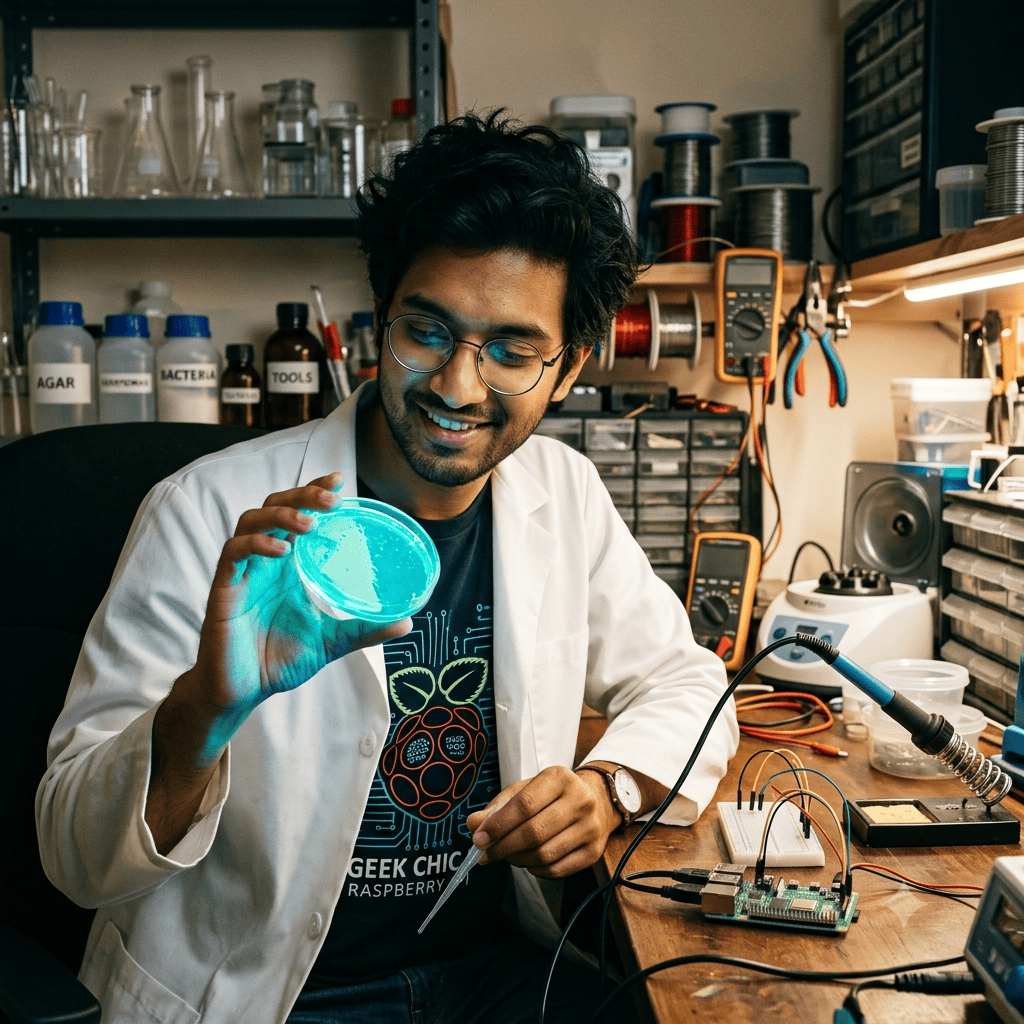
At their core, DIY longevity protocols are structured, self-designed routines that use research-backed habits to support healthier aging. Think of them as small, personal trials where you are both the scientist and the subject, testing which habits help you feel stronger, clearer, and more resilient over time.
They are not magic bullets or anti-aging fantasies. Instead, they sit at the intersection of curiosity and evidence. These protocols draw from research on exercise, sleep, nutrition, stress, and metabolism, then translate it into at-home anti-aging experiments you can actually live with: changing your bedtime, tweaking your breakfast, or adding a 10-minute strength routine before your morning shower.
💡 Story Insight: The most powerful healthy aging biohacks aren’t extreme. They’re the small experiments you can stick with long enough to notice a change.
Experiment 1: The 30-Day Strength Story
The first protocol Alex tried wasn’t a supplement or a fancy gadget. It was a story about muscle. Research is blunt: after about 30, we start to lose muscle mass every decade, and that loss is tied to slower metabolism, weaker bones, and greater risk of falls later in life. But the same studies also say this: strength training can reverse a surprising amount of that decline, even in people much older than Alex.
So Alex designed a simple, science-backed, DIY longevity protocol:
Goal: Build and maintain muscle for better strength, balance, and metabolic health.
Plan: 15 to 20 minutes of bodyweight exercises (squats, push-ups on the counter, glute bridges, light dumbbells) three times per week for 30 days.
Measure: How many squats and push-ups felt comfortable on Day 1 versus Day 30, plus a simple note on energy and sleep.
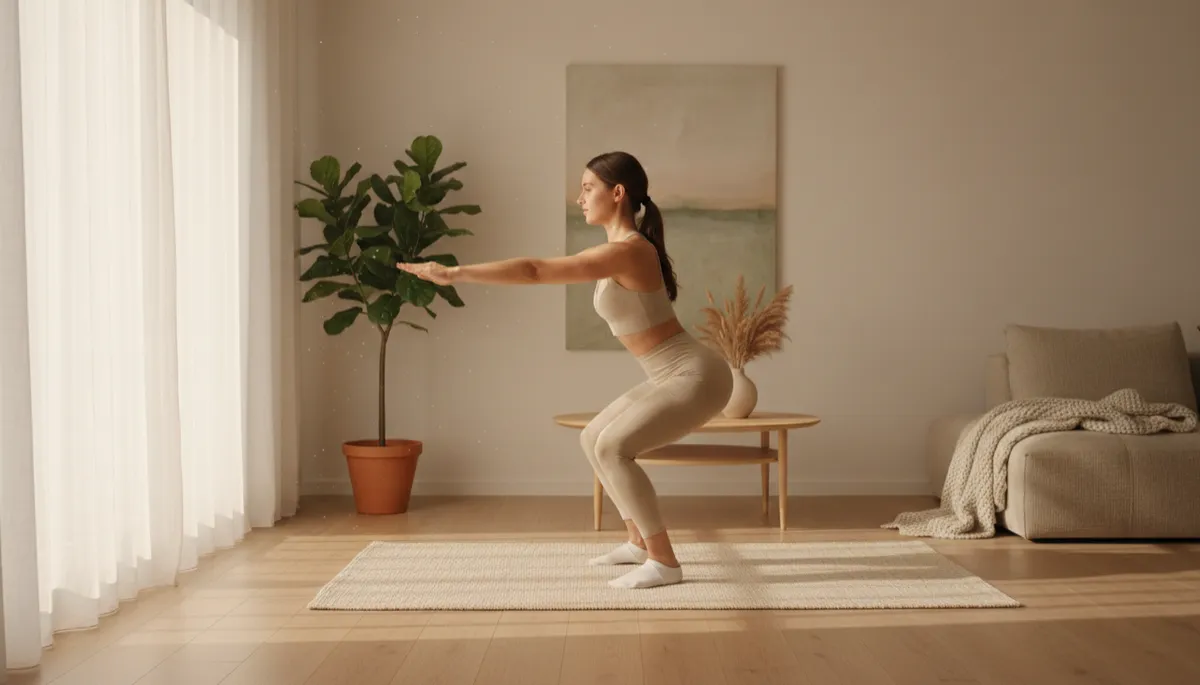
Modest strength routines, done consistently, build the physical reserve that protects you as you age.
By week three, Alex noticed something small but powerful: carrying groceries felt easier, the stairs less intimidating. This is how many healthy aging biohacks work, not as dramatic before-and- after photos, but as quiet upgrades in daily life that accumulate into real protection over decades.
Experiment 2: Sleeping Like Your Future Self Depends On It
The next chapter in Alex’s story wasn’t written in the gym—it was written in the bedroom. Study after study links poor sleep to faster cognitive decline, higher inflammation, and increased risk of chronic diseases. Yet sleep is one of the most overlooked at-home anti-aging experiments available to us.
Instead of chasing perfection, Alex designed a 14-day sleep protocol:
Fixed bedtime and wake time within the same 30-minute window every day, including weekends.
Screens off 60 minutes before bed, swapped for a book or light stretching.
Bedroom cooled slightly, lights dimmed early to cue melatonin production.
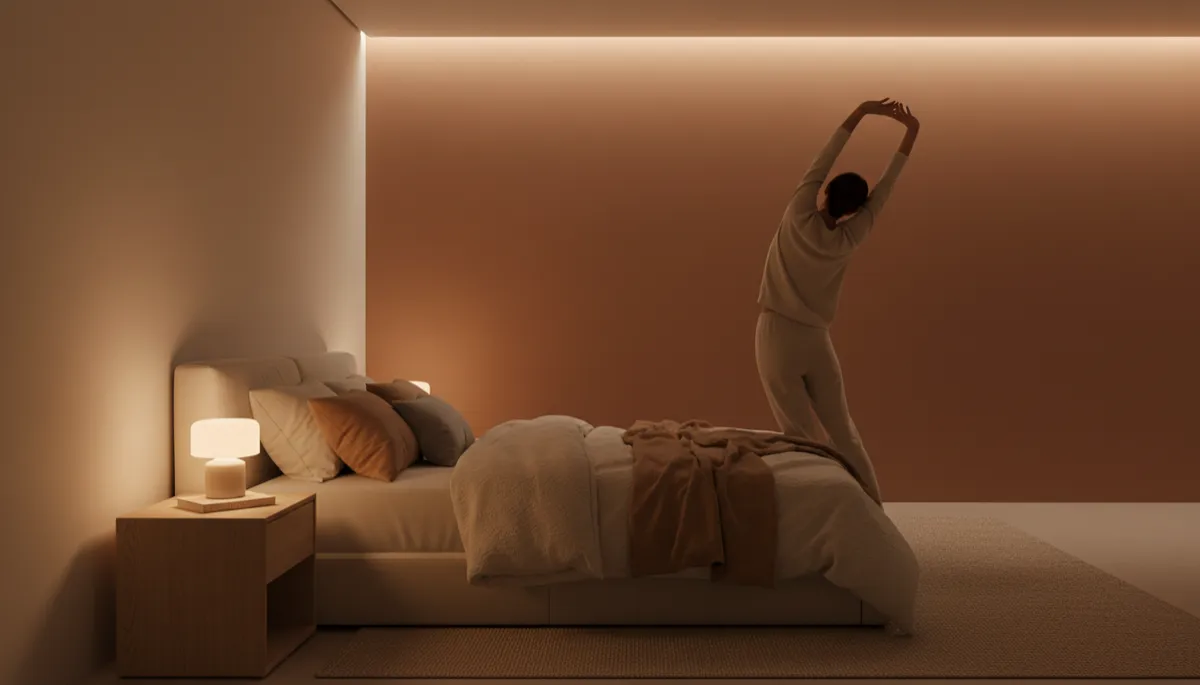
Simple sleep rituals can support brain health, hormone balance, and long-term resilience.
By the end of two weeks, Alex wasn’t just sleeping longer; mornings felt less foggy, and late-afternoon cravings calmed down. The science backs this up: consistent, high-quality sleep helps regulate blood sugar, supports memory, and gives your brain nightly “cleanup time” to clear metabolic waste linked to cognitive decline. This was one of the most impactful DIY longevity protocols Alex tried, and it didn’t cost a cent.
Experiment 3: Eating in a Smaller Window, Not a Smaller Life
The third experiment grew out of something Alex kept seeing in studies: time-restricted eating and its potential to improve insulin sensitivity, reduce inflammation, and support cellular repair. It wasn’t about starving; it was about giving the body predictable periods to digest, reset, and repair, key themes in the science of longevity.
After talking with a healthcare provider to make sure it was safe, Alex tried a gentle version of this healthy aging biohack:
Eating within a 10-hour window most days (for example, 9 a.m. to 7 p.m.), with normal, satisfying meals, no extreme calorie cutting.
Prioritizing protein, fiber, and colorful plants to keep energy steady and support muscle and gut health.
Tracking hunger, mood, and afternoon energy instead of obsessing over the scale.

Eating in a defined window can support metabolic health without shrinking the joy of food.
Over a month, Alex noticed fewer energy crashes and less late-night snacking. Emerging research suggests that aligning eating patterns with your body’s circadian rhythm may help reduce risk markers for diabetes and cardiovascular disease, two heavy hitters in the aging story. Framed as an at-home anti-aging experiment, it felt less like a diet and more like a conversation with the body: “What happens if I give you more rhythm and less chaos?”
How to Design Your Own Science-Backed Longevity Experiments
Alex’s story isn’t unique. The details change, maybe your focus is joint pain, brain fog, or blood pressure, but the pattern is the same. You can turn vague worry about aging into clear, science-backed experiments for healthy aging by following a few simple steps:
Pick one area. Strength, sleep, stress, or nutrition. Choose the part of your life that feels most ready for change, not the one that feels most broken.
Find the science. Look for reputable sources, medical organizations, research summaries, or books by experts. You’re not trying to become a scientist, just to anchor your protocol in more than social media trends.
Define your experiment. Decide what you’ll change, how often, and for how long (two to four weeks is a good start). Keep it small and realistic. The best DIY longevity protocols are the ones you can actually finish.
Measure something meaningful. It might be steps per day, number of push-ups, bedtime, mood, or energy levels. You don’t need a lab, just consistency and honesty with yourself.
Check in with your body and your doctor. If you have medical conditions or take medications, talk to a professional before making big changes, especially around fasting, supplements, or intense exercise.
⚠️ Gentle Reminder: DIY longevity doesn’t mean DIY medicine. Use these at-home anti-aging experiments to complement, not replace, professional care.
The Quiet Power of Small, Daily Choices
Months after that first unflattering photo, Alex took another one, intentionally this time. The changes were subtle: a little more definition in the arms, a softer expression, a posture that hinted at strength instead of resignation. But the real transformation wasn’t visible. It was in the way Alex thought about time.
Aging was no longer a cliff waiting at some mysterious future date. It was a path being built, day by day, through healthy aging biohacks that felt less like hacks and more like acts of care: a set of DIY longevity protocols stacked quietly into a lifestyle. A handful of squats before coffee. A consistent bedtime. A little more color on the plate and a little less chaos in the schedule.
Writing Your Own Longevity Story
Your story will look different from Alex’s. Maybe your first experiment is a daily walk around the block, gradually stretching into a brisk 30-minute routine. Maybe it’s a short breathing practice to tame stress hormones that quietly erode health over time. Or a weekly “meal prep hour” that turns future you into someone with better options waiting in the fridge.
The beauty of science-backed experiments for healthy aging is that they don’t demand perfection. They ask for curiosity, a bit of structure, and the willingness to notice what changes when you treat your body as a long-term home instead of a short-term project. With each small protocol, each at-home anti-aging experiment, you’re not just adding years to your life, you’re quietly upgrading the quality of the years you already have.
Somewhere in your future, there’s a version of you who is grateful you started now. Maybe they climb stairs without thinking about it. Maybe they remember names easily at a crowded party. Maybe they stand in photos a little taller, a little steadier, knowing that their health wasn’t an accident, it was a story they chose to co-write, one small, science-backed habit at a time.