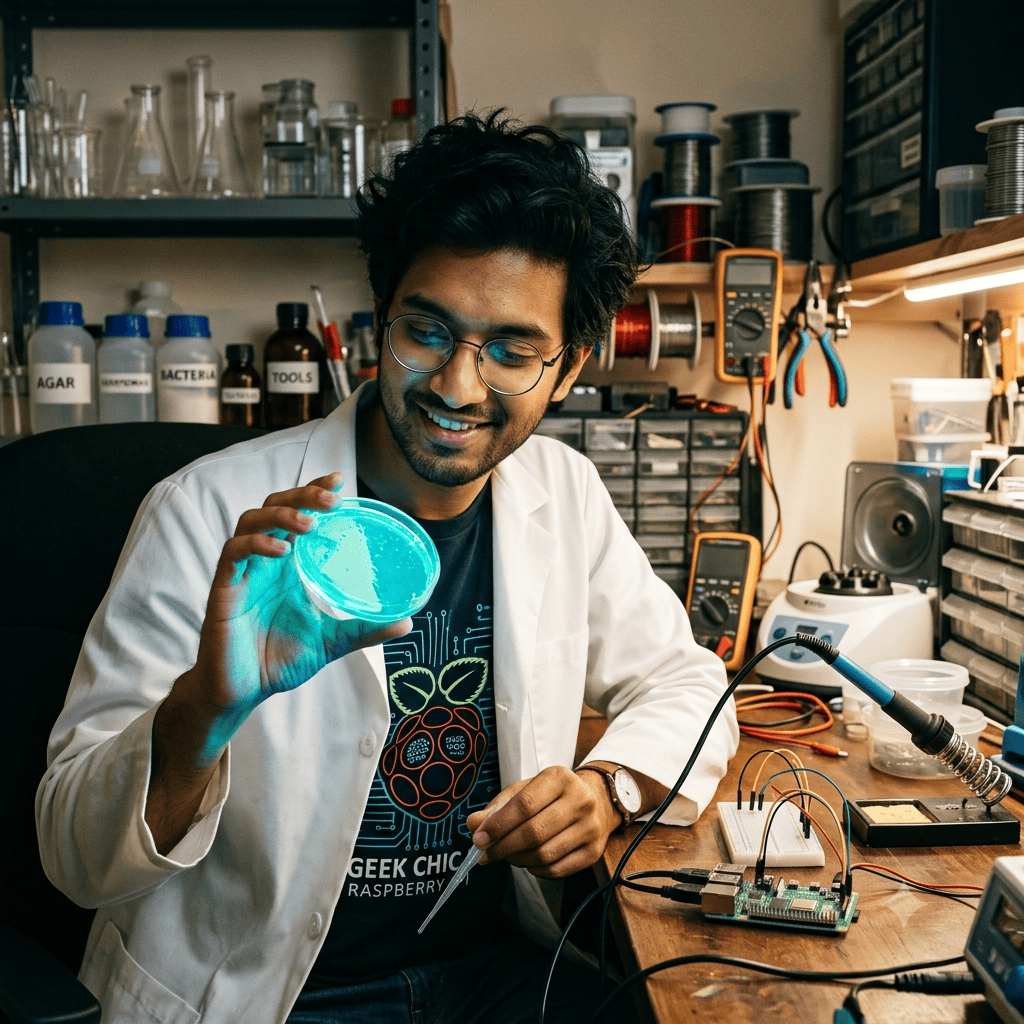



DIY Biohacking: Quick Experiments for Busy Lives
Health, DIY Biohacking
DIY Biohacking for Busy Americans: Quick Experiments That Fit Your Schedule
On a gray Tuesday morning in Chicago, Emma stared at her third cup of coffee, wondering why she still felt exhausted. She had a demanding job, a long commute, and a to-do list that never seemed to end. She didn’t have time for a 90-minute gym session or a week-long wellness retreat. What she wanted was simple: feel better without blowing up her schedule. That’s when she stumbled into the world of DIY biohacking for busy Americans—tiny, science-informed experiments you can run on yourself, in real life, between meetings and school runs.
Biohacking can sound like something reserved for Silicon Valley founders with home labs. But the truth is, you can biohack in a studio apartment, a suburban kitchen, or a hotel room on a work trip. In this guide, we’ll walk through quick biohacking experiments USA style, designed specifically for crowded calendars, limited energy, and the reality of American life in motion.
What DIY Biohacking Really Means When You’re Busy
Think of DIY biohacking as personal science for your everyday life. You change one thing in your routine, track how you feel, then decide if it stays or goes. No white lab coat, no complicated equipment, just curiosity, consistency, and a notebook or app to record what happens.
For busy Americans, the magic comes from constraints. You don’t have three spare hours; you might have three spare minutes. So the question becomes: “What’s the smallest experiment I can run that could meaningfully improve my energy, focus, or mood?”
💡 Story Insight: Most successful DIY biohacking for busy Americans starts with tiny, almost laughably small changes, because small changes are the ones you actually keep.
Experiment 1: The 7-Day Morning Light Reset
When Emma looked back at her calendar, she realized something: she saw more blue light from screens than natural light from the sky. Her mornings began in the dark with email, not sunlight. So she designed her first experiment, one of the simplest quick biohacking experiments USA workers can try: 10 minutes of outdoor light within an hour of waking, for 7 days.
Step 1: Pick a start date and set a repeating reminder on your phone.
Step 2: Each morning, step outside, balcony, porch, sidewalk, even a parking lot— for at least 10 minutes, no sunglasses if you can tolerate it.
Step 3: In a notes app or small journal, rate your energy and mood from 1–10 in the morning and afternoon.

Even ten minutes of morning light can shift your energy curve for the day.
By day four, Emma noticed she was crashing less hard in the afternoon. By day seven, she was falling asleep faster at night. No supplements, no gadgets, just a schedule tweak. That’s the heart of DIY biohacking for busy Americans: change the input, observe the output, then decide whether the habit earns a permanent place in your life.
Experiment 2: The Focus Sprint During Your Busiest Hour
Across the country in Austin, Marcus was juggling a sales job, evening classes, and two kids. His problem wasn’t just energy; it was focus. His most important work kept getting buried under Slack pings and notifications. So he tried a classic biohacker move, adapted for chaos: the 25-minute focus sprint.
Choose one high-impact task for the day. Just one.
Block off 25 minutes on your calendar as a “meeting with yourself.”
Put your phone in another room, close unnecessary tabs, and set a timer.
📌 Story Takeaway: Marcus didn’t overhaul his entire workday. He carved out one small island of deep focus and measured how much more he accomplished in a week.
After a week, he looked back at his notes. Those 25-minute windows were producing more meaningful progress than some full afternoons. For him, this quick experiment turned into a non-negotiable daily ritual. The data, his own output, made the decision easy.
Experiment 3: The Evening Screen Cutoff You Can Actually Keep
You’ve probably heard the advice: “No screens two hours before bed.” For most people in the USA, that’s a fantasy. Between late emails, streaming, and scrolling, a full cutoff feels impossible. So consider a more realistic DIY biohacking experiment: 30 screen-free minutes before sleep.
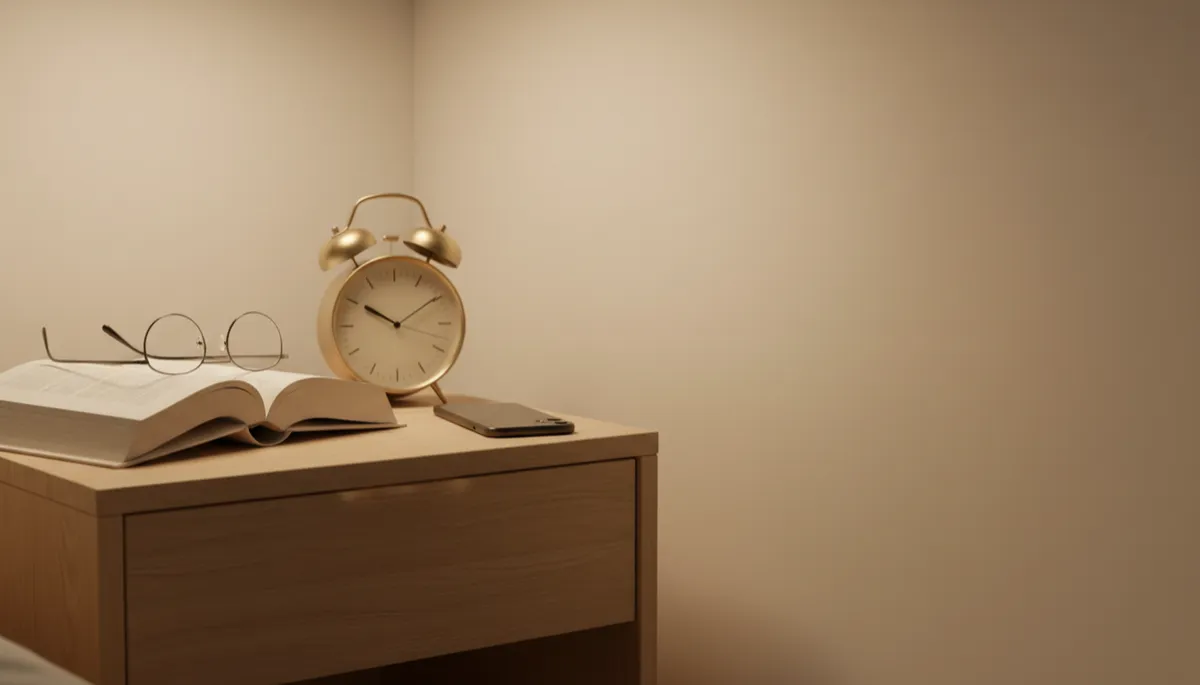
A short, screen-free buffer before bed can improve sleep quality noticeably.
Pick a simple analog activity: reading, stretching, journaling, or prepping tomorrow’s clothes.
Set an alarm 30 minutes before your target bedtime as a “tech off” signal.
Track how long it takes to fall asleep and how rested you feel on waking, using a 1–10 scale.
One New York nurse, rotating between night and day shifts, tried this for just five nights. Even with her chaotic schedule, she noticed her mind felt less “wired” when her head hit the pillow. Again, no miracle cure, just a small, repeatable tweak that made her demanding life a bit more manageable.
Experiment 4: The 3-Minute Movement Rule Between Meetings
Not every American can hit the gym daily, but almost everyone can steal three minutes. In Denver, a project manager named Luis realized he was sitting for hours, back-to-back Zoom calls compressing his spine and his mood. So he invented a micro-experiment: 3 minutes of movement between meetings, for 10 workdays.
Set a recurring reminder: “Move for 3 minutes” at the end of each hour.
Do anything simple: hallway walks, air squats, calf raises, or stretching by your desk.
Rate your afternoon energy and stiffness at the end of each day.
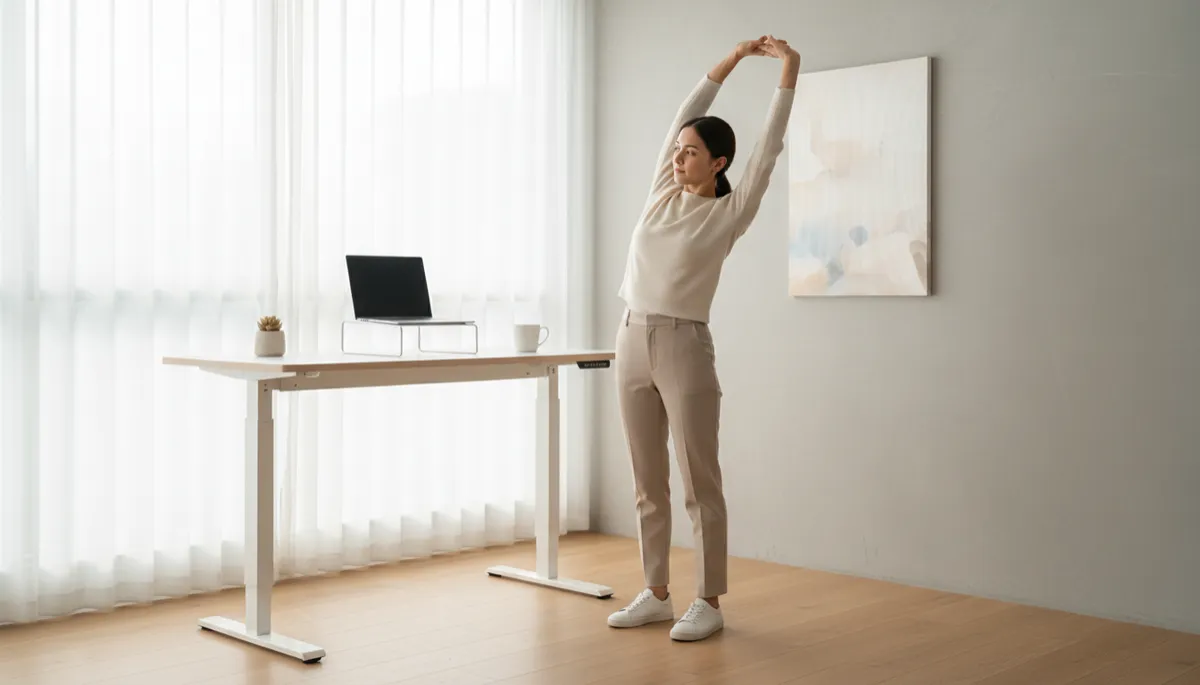
Micro-movements throughout the day can beat one giant workout for comfort.
By the end of two weeks, Luis wasn’t just less stiff; he was less irritable in late-afternoon meetings. His coworkers didn’t know he was “biohacking.” They just noticed he seemed more present, less drained. That’s the quiet power of these quick biohacking experiments USA workers can weave into the margins of their days.
How to Design Your Own Tiny Experiments
The stories above share a simple pattern you can copy. Whether you’re in a small town in Ohio or a high-rise in Los Angeles, DIY biohacking for busy Americans follows four basic steps:
Pick one problem. Low energy, poor sleep, scattered focus, afternoon crashes, choose the one that bothers you most.
Choose one small lever. Light, movement, food timing, caffeine, screens, or breathing, something you can realistically change.
Set a time frame. 5 to 14 days is usually enough to notice a pattern without feeling overwhelming.
Track one simple metric. A 1 to 10 score for energy, focus, or mood is often all you need.
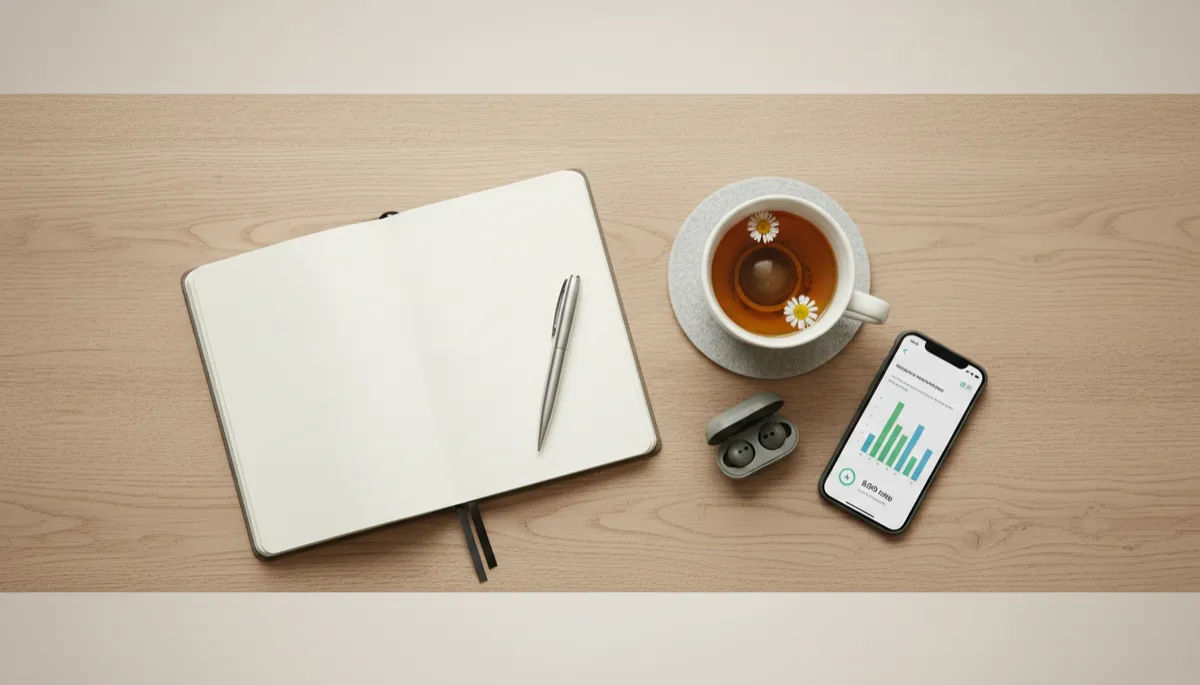
Simple tracking turns vague feelings into clear data you can act on.
⚠️ Gentle Reminder: DIY biohacking is not a replacement for medical care. If you have health conditions or take medications, talk with a healthcare professional before major changes to diet, sleep, or supplements.
Writing Your Own Biohacker Story
When Emma looked back three months after that first gray Tuesday, her life hadn’t become a wellness commercial. She still had deadlines, traffic, and late nights. But her story had shifted in small, meaningful ways: she woke up a little clearer, focused a little deeper, and collapsed on the couch a little less often. Not because she found a magic pill, but because she treated her life like a series of experiments instead of a fixed script.
That’s the invitation for you. You don’t need more willpower or more hours in the day. You need one small experiment that respects your reality and nudges your story in a better direction. Maybe it’s morning light, a 25-minute focus sprint, a 30-minute screen-free buffer, or 3 minutes of movement between meetings. Maybe it’s something you invent yourself, tailored to your corner of the USA and your particular version of “busy.”
In the end, DIY biohacking for busy Americans isn’t about becoming superhuman. It’s about becoming a little more you, more awake, more intentional, more in charge of how you feel from Monday morning to Sunday night. Start with one quick experiment, tell yourself the truth about what happens, and let the data write the next chapter of your story.