

DIY Biohacking: Boost Mental Focus & Clarity
Biohacking, Mental Performance, Focus, Cognitive Experiments
DIY Biohacking for Mental Performance: Focus and Clarity Hacks You Can Test at Home
DIY biohacking for mental performance is no longer a fringe pursuit reserved for elite athletes or lab researchers. With a structured approach, you can run safe, low-cost experiments at home to sharpen focus, improve clarity, and better understand how your brain responds to everyday variables like sleep, light, food, and movement. This guide outlines practical focus biohacks at home and shows you how to treat them as cognitive citizen science experiments rather than random self-help tips.
What DIY Biohacking for Mental Performance Really Means
At its core, DIY biohacking for mental performance is the practice of intentionally changing your environment, routines, and inputs, then measuring how those changes affect your cognition. Instead of blindly adopting trends, you behave like a one-person research team: forming a hypothesis, running a small experiment, tracking results, and deciding whether a hack genuinely works for you.
This approach aligns with the idea of cognitive citizen science experiments, everyday people using simple tools to gather data about their own minds. You do not need advanced equipment. A notebook, a timer, and a willingness to be honest with yourself are enough to get started safely and professionally.
📌 Key Takeaway: Treat every focus or clarity hack as a mini-experiment with a clear start, end, and measurable outcome.
Ground Rules: Safety, Ethics, and Realistic Expectations
Before exploring specific focus biohacks at home, it is essential to set boundaries. Professional biohackers follow three basic rules that individuals should adopt as well:
Do no harm: Avoid untested substances, extreme sleep deprivation, or anything that conflicts with medical guidance. When in doubt, consult a qualified health professional, especially if you have existing conditions or take medication.
Change one major variable at a time: If you adjust five things simultaneously, you cannot know which one made the difference. Isolate variables for clearer insights.
Measure something specific: “Feel better” is vague. Instead, track metrics such as minutes of deep work, number of distractions, or scores on a simple cognitive test.
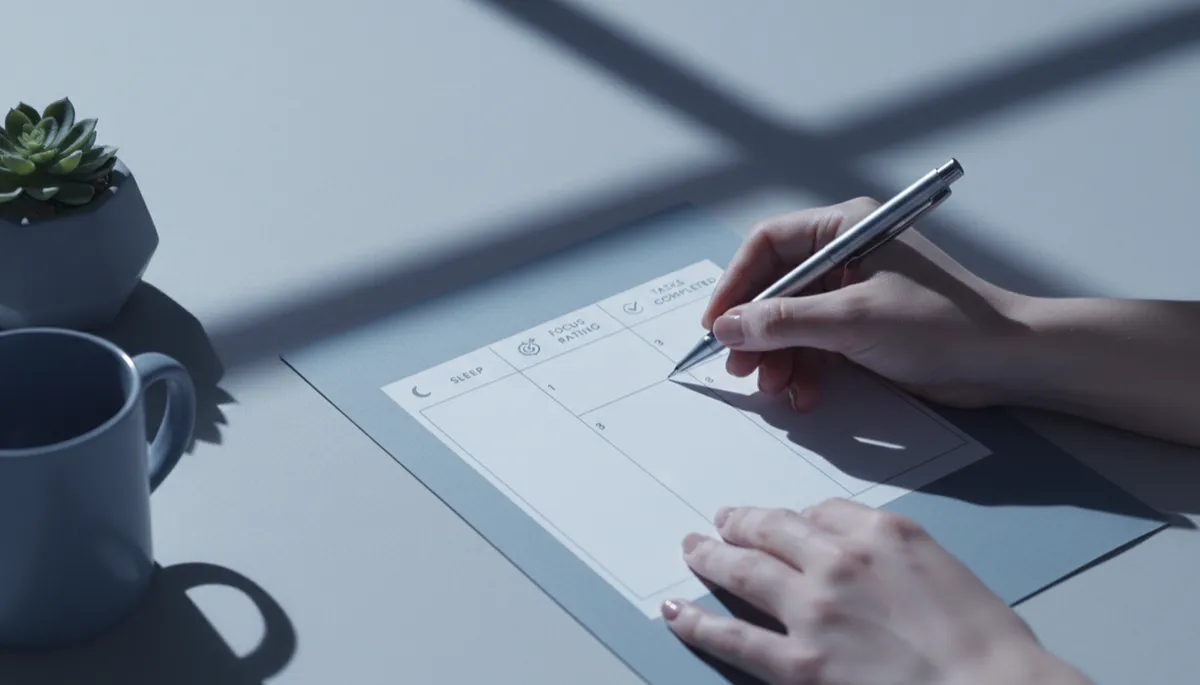
A basic daily log turns vague impressions into usable cognitive data.
Step 1: Design Your Personal Mental Performance Baseline
Before implementing any DIY biohacking for mental performance strategies, you need a baseline. Spend three to five days living your normal routine while tracking a few simple variables:
Hours of sleep and approximate bedtime/wake time
Daily caffeine intake (timing and amount)
Self-rated focus on a 1 to10 scale during your main work block
Number of times you switch tasks or check your phone in an hour
This baseline is your control condition. When you later introduce focus and clarity hacks you can test at home, you will compare against this data rather than relying on memory or mood. That comparison is what turns self-improvement into a form of structured cognitive citizen science.
Focus Biohacks at Home: Environment and Attention Design
Many distractions originate not from your mind but from your surroundings. The following environment-based focus biohacks at home are simple to implement and easy to measure.
1. The 50-Minute Deep-Work Block
Choose one cognitively demanding task, writing, studying, analysis, and commit to a 50-minute block with zero optional interruptions. Silence notifications, close unrelated tabs, and keep only the tools you need in front of you. Use a timer and log:
How many minutes you stayed fully engaged
Number of times your attention drifted to something non-essential
💡 Pro Tip: Run this protocol at different times of day for a week to discover your natural high-focus window.
2. Light and Posture Experiment
Light quality and physical posture significantly influence alertness. For three days, work near a window or under bright, cool-toned lighting while sitting upright with both feet on the floor. For the next three days, work in dimmer conditions or from a couch or bed. Keep your tasks similar and compare:
Subjective mental clarity ratings (1 to 10)
Number of tasks completed in a set time frame
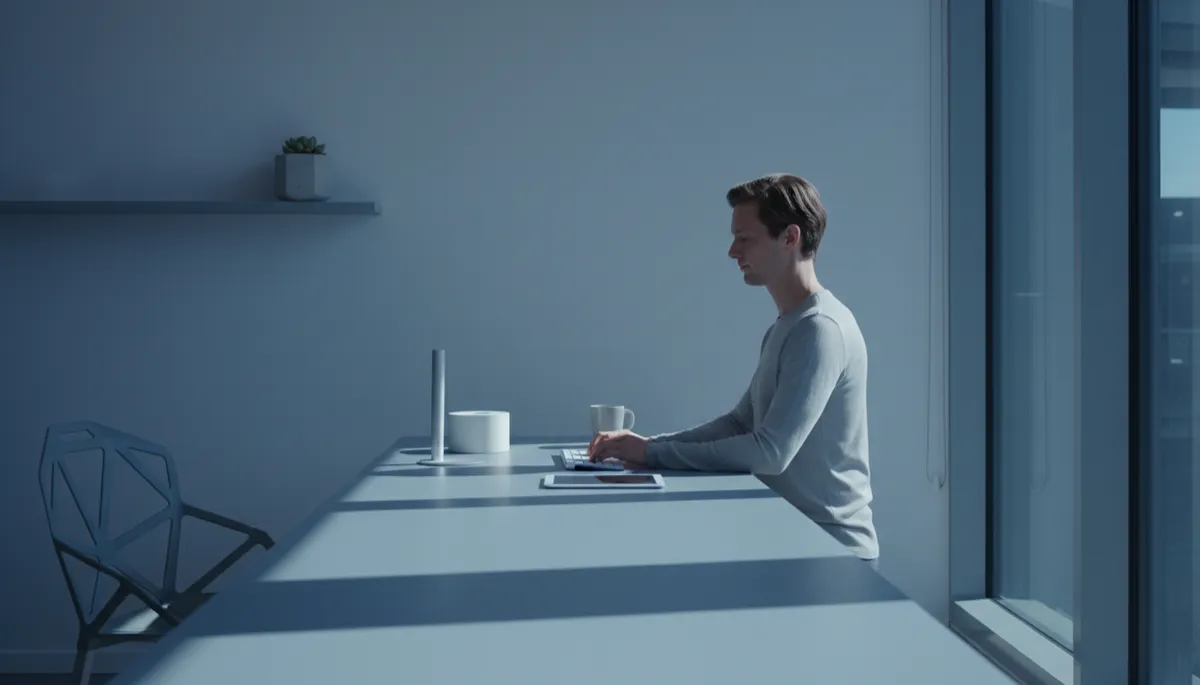
Lighting and posture are low-cost levers with measurable cognitive impact.
Internal Levers: Sleep, Hydration, and Caffeine Protocols
Some of the most effective DIY biohacking for mental performance involves adjusting internal variables you already manage daily. Instead of guessing, structure them into clear experiments.
3. Consistent Sleep Window Trial
For seven days, keep your bedtime and wake time within the same 60-minute window, aiming for at least seven hours in bed. During this week, run the 50-minute deep-work block at the same time each day and record:
Focus rating during the first 20 minutes vs. the last 20 minutes
Any changes in mental fatigue or irritability
Many people discover that regular sleep timing improves clarity more than any supplement. This is a prime example of how simple cognitive citizen science experiments can reveal powerful, personalized insights.
4. Hydration and Caffeine Timing Experiment
Instead of increasing caffeine, adjust when and how you consume it. Over two weeks, try the following protocol:
Week 1: Delay your first coffee or tea by 60 to 90 minutes after waking. Drink a full glass of water immediately upon waking instead.
Week 2: Keep the same wake time but allow caffeine within the first 15 minutes of the day.
During both weeks, record mid-morning energy levels, afternoon crashes, and overall focus during your main work block. Compare which pattern yields steadier clarity for you. This is a precise, low-risk example of DIY biohacking for mental performance that respects individual variability.
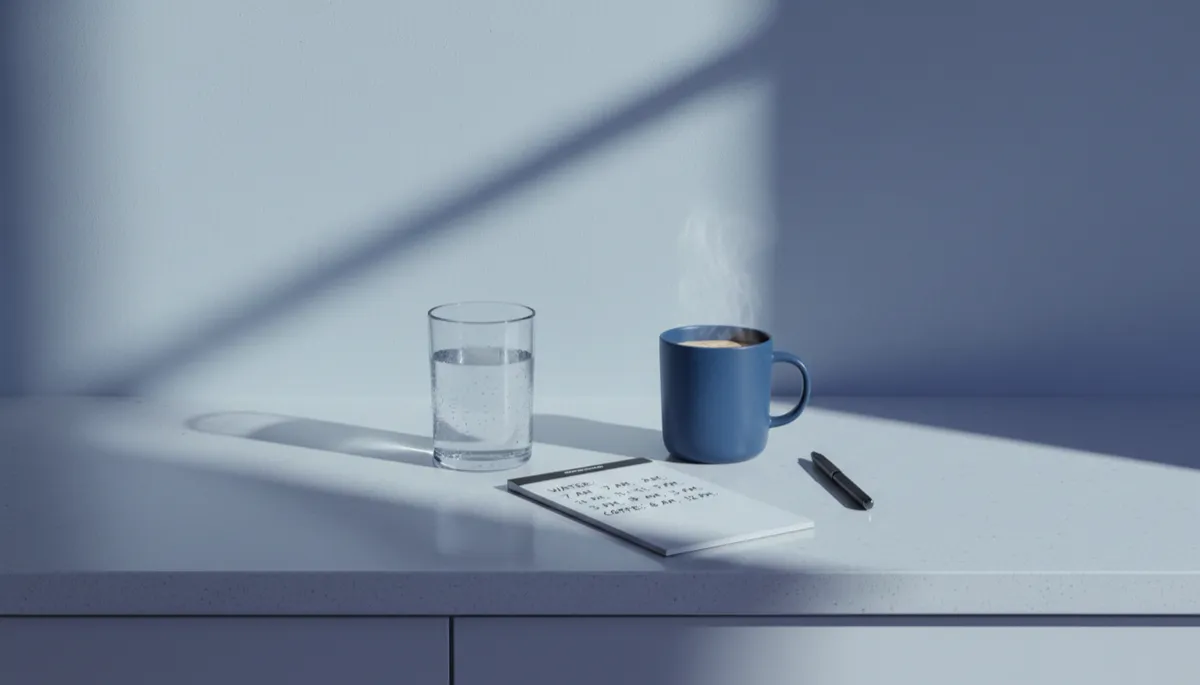
Adjusting caffeine timing often stabilizes focus more than increasing dose.
Quick Clarity Protocols You Can Test in a Single Week
Not every experiment needs to last weeks. Some focus and clarity hacks you can test at home show results within days when tracked carefully.
5. Pre-Work “Cognitive Warm-Up”
Just as athletes warm up their muscles, your brain benefits from a short activation routine. For five consecutive days, try the following five-minute protocol before deep work:
One minute of slow, deep breathing (inhale for four counts, exhale for six).
Two minutes of light movement, stretching, walking, or mobility drills.
Two minutes reviewing your top three priorities for the session.
Compare your focus ratings and task completion with a week where you start work immediately. Many individuals report faster “ramp-up” into flow when they treat this as a repeatable protocol rather than a vague intention to “get ready.”
6. Distraction Audit and Single-Channel Rule
For three days, tally every time you switch apps, check your phone, or open a new tab during a 60-minute work session. Simply make a small mark in your notebook for each switch. Then, for the next three days, enforce a “single-channel” rule: one device, one app, one task during that hour.
This simple cognitive citizen science experiment reveals how much of your mental fatigue may be self-inflicted by frequent context switching. The goal is not perfection but a measurable reduction in unnecessary shifts of attention.
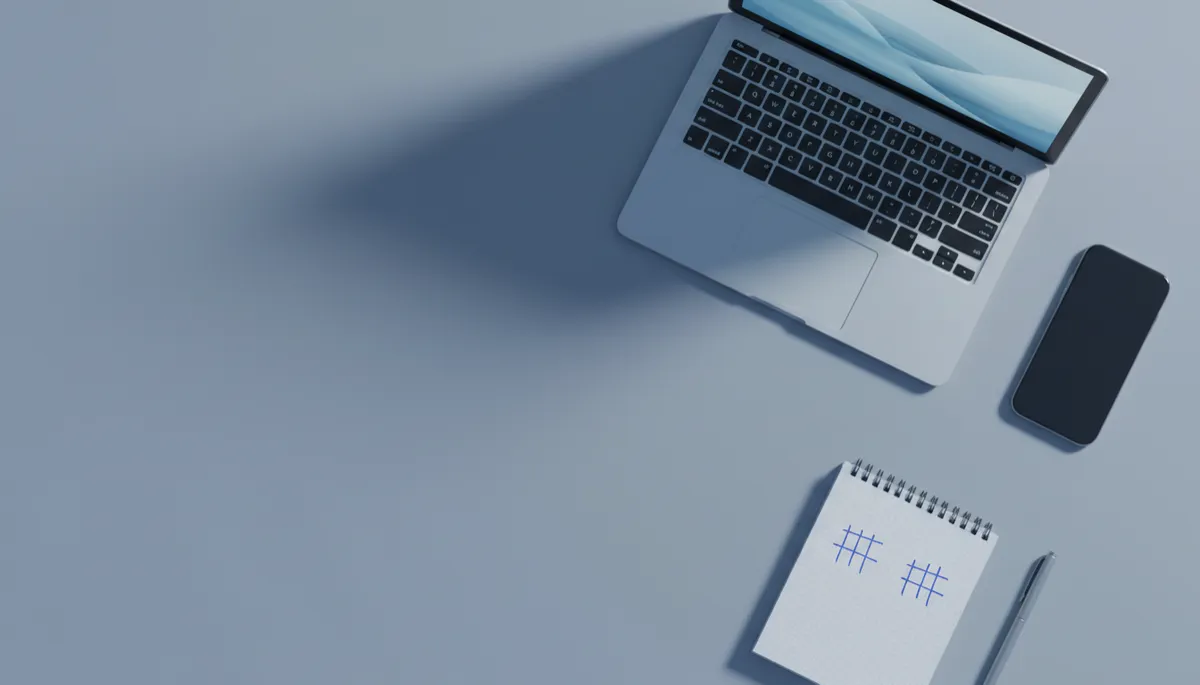
Tracking each distraction makes invisible attention leaks visible and manageable.
Turning Experiments into Sustainable Habits
The real value of DIY biohacking for mental performance comes from what you do after an experiment ends. If a protocol clearly improves focus or clarity for you, formalize it as a habit:
Add it to your calendar or daily checklist.
Define a minimum version for busy days (for example, a two-minute warm-up instead of five).
Re-test it every few months to confirm it still serves you.
Over time, this iterative process creates a personalized operating manual for your brain. Instead of chasing the latest trend, you rely on your own data, gathered through disciplined focus biohacks at home and thoughtful cognitive citizen science experiments.
Final Thoughts: Become the Researcher of Your Own Mind
Enhancing mental performance does not require exotic technology or risky interventions. By applying a professional, experiment-driven mindset to everyday variables, sleep, light, movement, hydration, and attention, you can run safe, informative trials within your own environment. The most effective focus and clarity hacks you can test at home are often the simplest, provided you measure their impact carefully.
When you approach DIY biohacking for mental performance as an ongoing series of structured cognitive citizen science experiments, you transform your home into a personal lab and your routines into data. The result is not just better focus today, but a deeper understanding of how your unique brain works, and how to support it for the long term.