

Choosing the Best Solar Inverter for Home Upgrades
Solar Energy, Home Upgrades
How to Choose a Solar Inverter for a Home Energy Upgrade
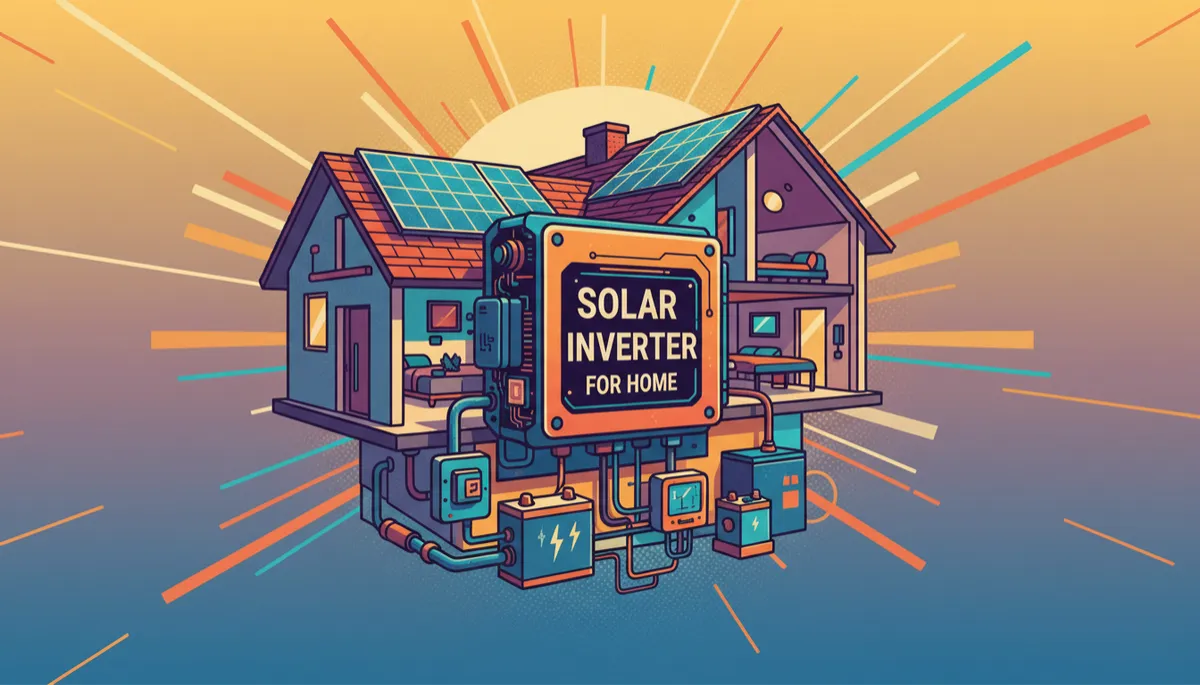
Thinking about going solar at home is exciting, but also a little overwhelming. One of the most important decisions you’ll make is choosing the right solar inverter for home use. This small box quietly works behind the scenes, but it has a huge impact on how much clean energy you actually get from your panels, how reliable your system is, and how easy it is to live with day to day.
Why the Inverter Matters So Much
Every solar panel on your roof produces direct current (DC) electricity. Your home, however, runs on alternating current (AC) —the same kind of power you get from the grid. The inverter is the brainy middleman that converts DC from your panels into usable AC for your lights, appliances, and outlets. No inverter, no usable solar power.
When you look at all the solar power system components (panels, mounting hardware, wiring, batteries, and monitoring) the inverter is the part that most directly affects:
How much of your panel output you actually capture and use
How your system handles shade, clouds, and panel mismatch
Whether you can add batteries or expand your system later
How easy it is to monitor performance and spot problems
💡 Friendly Tip: If you’re comparing quotes, don’t just look at panel brands and total watts. Ask specifically which inverter model is included and why.
Get to Know the Main Types of Solar Inverters for Home Use
Before you can choose, it helps to understand the three most common inverter options you’ll see in residential systems. Each one has strengths that fit different homes, roofs, and budgets.
1. String Inverters: Simple and Budget-Friendly
A string inverter connects a group (or “string”) of panels together. All the panels feed DC power to a single inverter box, usually mounted on an exterior wall or in a garage. This is the classic, time-tested design and often the most affordable choice.
Best for: Simple roofs with one or two large, unshaded faces (like a wide south-facing roof).
Pros: Lower upfront cost, easy to service, proven technology.
Cons: Shade or dirt on one panel can drag down the whole string’s performance.
2. Microinverters: Panel-Level Optimization and Flexibility
Microinverters take a different approach. Instead of one central box, you have a tiny inverter attached to each panel (or sometimes to a pair of panels). DC is converted to AC right on the roof, panel by panel. This design gives you excellent performance and monitoring at the individual panel level.
Best for: Roofs with multiple angles, partial shade from trees or chimneys, or future expansion plans.
Pros: Great shade handling, easy to add more panels later, detailed monitoring.
Cons: Higher upfront cost, more electronics on the roof.
3. Hybrid or Battery-Ready Inverters
If you’re dreaming of adding home batteries—now or later—you’ll want to look at hybrid inverters . These are designed to work smoothly with energy storage, letting you charge batteries from your panels and use that stored power at night or during outages.
Some systems use a separate battery inverter, while others combine everything into one unit. If backup power is important to you, talk with your installer about which approach fits your budget and goals best.
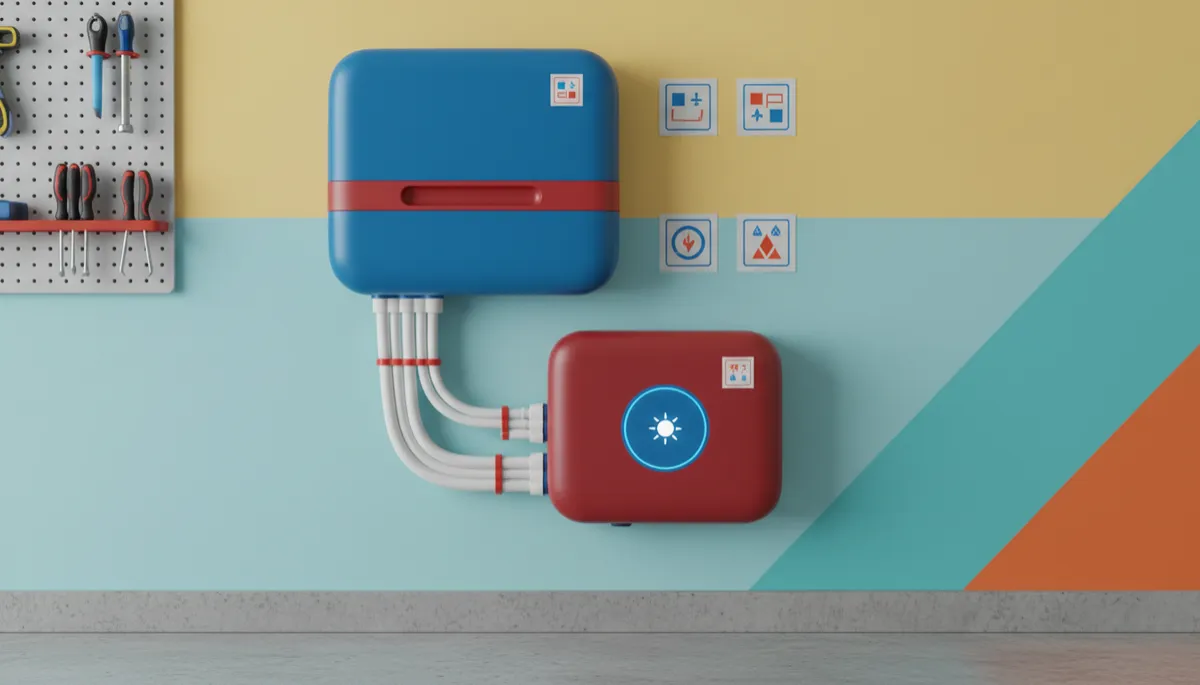
Battery-ready inverters make it easier to add backup power when you’re ready.
Matching Your Inverter to Your Solar Power System Components
A good solar inverter for home use doesn’t live in isolation. It has to play nicely with all the other solar power system components in your setup. When you’re evaluating options, here’s what to look at together instead of separately:
Panel wattage and total system size: Make sure the inverter’s power rating (in kilowatts) matches or slightly exceeds your array’s expected output. Oversizing a little can help on very bright days, but oversizing too much can waste money.
Roof layout and shading: If your roof has multiple directions or partial shade, microinverters or power optimizers with a string inverter can significantly boost real-world performance.
Existing electrical panel: Some older homes may need panel upgrades. Your inverter choice can influence how complex and costly that upgrade is.
Future battery plans: If you think you’ll add batteries within a few years, choosing a hybrid or battery-ready inverter now can save you from redoing major work later.
💡 Friendly Tip: Ask your installer to walk you through a simple diagram of your planned system. Seeing how the panels, inverter, meter, and (optional) battery connect makes it much easier to compare options.
Key Features to Compare When Choosing an Inverter
Once you’ve narrowed down the basic type of inverter, it’s time to compare specific models. Here are the most important features to consider, explained in plain language.
Efficiency and Real-World Performance
Inverter efficiency tells you how much energy is lost during the DC-to-AC conversion. Most modern inverters are 96–99% efficient. A one or two percent difference might not sound like much, but over 20+ years it can add up to a lot of kilowatt-hours.
Instead of chasing the single highest number on paper, look at how the inverter performs across a range of conditions—cool mornings, hot afternoons, and partly cloudy days. Your installer or manufacturer spec sheets can help with this comparison.
Monitoring and Smart Home Integration
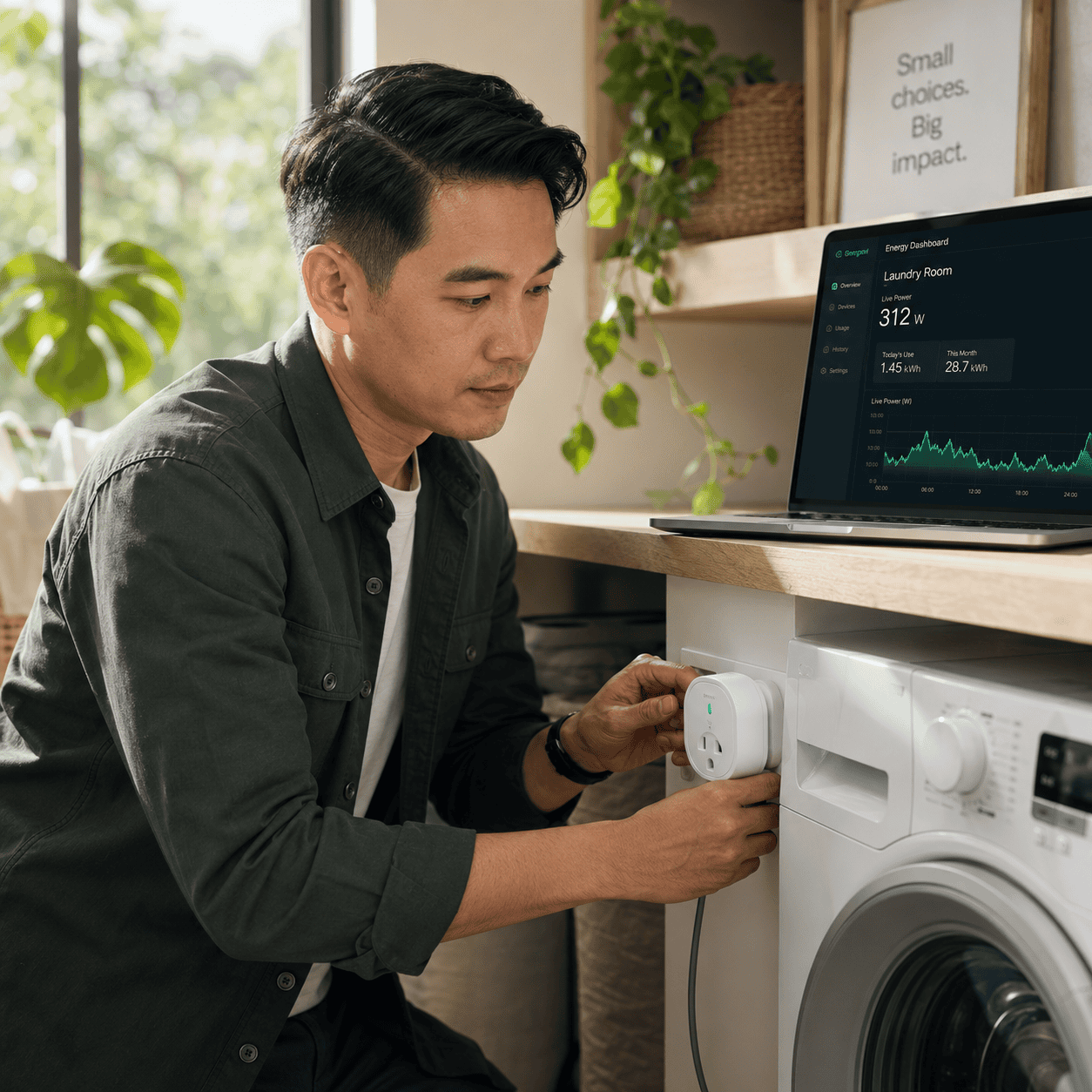
Most newer inverters come with built-in monitoring , usually through a smartphone app or web portal. This is where you can see how much energy your system is producing, when it’s producing the most, and whether anything looks off. Panel-level monitoring (common with microinverters) lets you spot issues with a single panel instead of guessing.
If you already have a smart thermostat, EV charger, or other smart home devices, it’s worth asking whether your inverter can share data with them. Some brands integrate with home energy management systems so you can automatically run big appliances when your solar output is highest.

Clear monitoring apps make it easy to see your solar savings in real time.
Warranty, Lifespan, and Support
Inverters don’t last forever, but a good one should serve you reliably for many years. Typical warranties are:
String inverters: 10–12 years standard, sometimes extendable to 15–20 years.
Microinverters: Often 20–25 years, matching panel warranties.
Beyond the length of the warranty, ask who handles service if something goes wrong. Does your installer manage warranty claims for you? Are replacement parts readily available? A slightly more expensive inverter from a well-established brand with strong support can pay off in peace of mind.
Safety and Local Code Compliance
Inverters also play a role in system safety. Features like rapid shutdown (required in many areas) allow firefighters to quickly de-energize rooftop circuits in an emergency. Your installer should only propose inverters that meet local building codes and utility requirements, but it’s still smart to ask how safety is handled in the design.
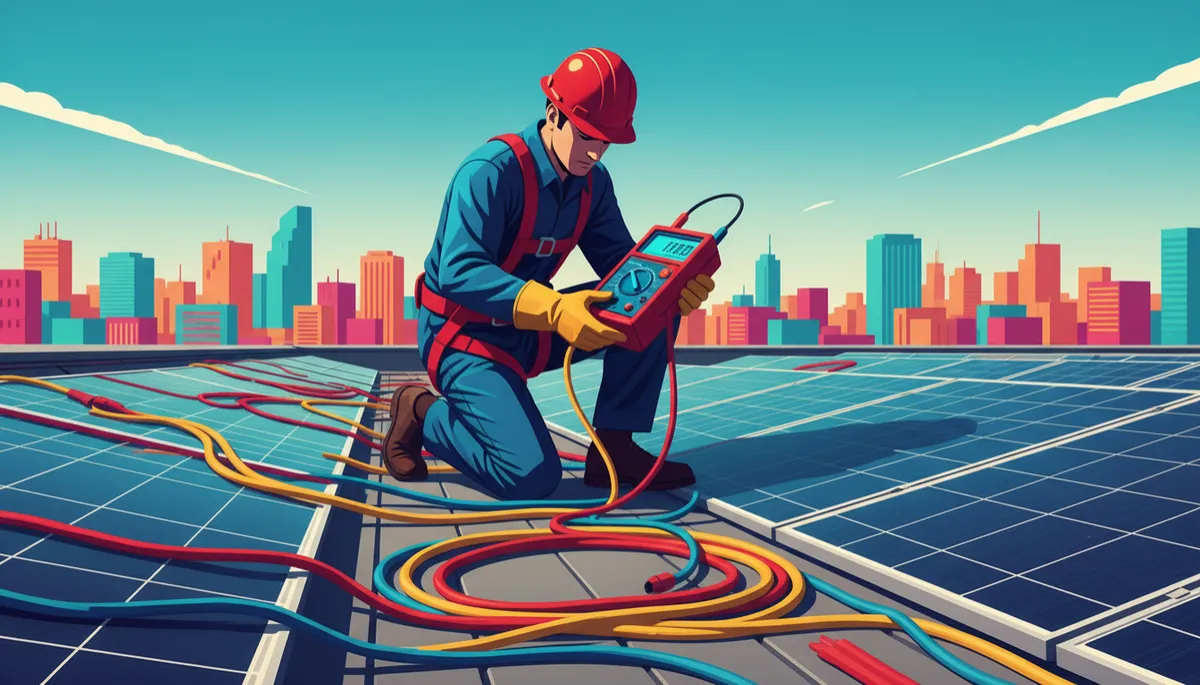
A well-chosen inverter helps your system meet safety standards and local codes.
Putting It All Together: A Simple Step-by-Step Approach
To make your decision feel less overwhelming, here’s a friendly, step-by-step way to choose a solar inverter for a home energy upgrade:
Start with your roof and lifestyle. Is your roof simple and sunny, or complex and partially shaded? Do you care most about lower upfront cost, maximum performance, or future flexibility?
Pick an inverter type that fits. For simple roofs and tight budgets, a quality string inverter can be perfect. For complex roofs or if you love data, consider microinverters. If you want backup power, explore hybrid options.
Check compatibility with other components. Make sure the inverter is sized properly for your panels and supports any batteries or smart home features you want.
Compare brands, warranties, and monitoring tools. Look for solid efficiency, clear apps, and responsive support. Don’t be shy about asking your installer why they prefer a particular brand.
Think long term. Your solar system will likely be with you for 20–25 years. Choosing an inverter that supports future upgrades can make your home energy journey smoother and more rewarding.
A Confident Next Step Toward Your Solar Home
Upgrading your home with solar is one of those decisions that feels good on every levelfinancially, environmentally, and even emotionally. By understanding how to choose a solar inverter for home use that matches your roof, your budget, and your long-term plans, you’re setting yourself up for a system that quietly performs year after year.
As you review quotes or talk with installers, keep this in mind: the inverter is the heart and brain of your solar power system components . Treat it as a key decision, ask plenty of questions, and don’t hesitate to request alternative options if something doesn’t quite fit your needs. With the right inverter in place, every sunny day becomes an opportunity to power your life more cleanly, comfortably, and confidently.