

Build a Community Bio Lab: Step-by-Step Guide
Citizen Science, Community Bio Lab, DIY Biology
Build a Community Bio Lab: Step-by-Step Guide
How to Build a Community Bio Lab in Your US City: A Step-by-Step Guide
Why Your City Needs a Community Bio Lab
Step 1: Clarify Your Vision and Community
Step 2: Build a Core Team and Legal Structure
Choose a Nonprofit or Other Structure
Step 3: Understand Safety, Regulations, and Insurance
Step 4: Find a Space and Design Your Lab Layout
Step 5: Gather Equipment and Supplies (Without Breaking the Bank)
Step 6: Create Programs, Classes, and Membership Options
Step 7: Engage Your Neighborhood and Build Trust
How to Build a Community Bio Lab in Your US City: A Step-by-Step Guide
Curious about biology and want to bring hands-on science to your neighborhood? This friendly step-by-step guide will walk you through how to build a community bio lab in the US, from your first idea to opening day. Whether you’re a scientist, a student, or simply a curious neighbor, you can help start a local bio lab in America that’s safe, welcoming, and inspiring.
Why Your City Needs a Community Bio Lab
A community bio lab is a shared, membership-based biology space where people can learn, experiment, and collaborate. Think of it as a gym for your curiosity: instead of treadmills, you have microscopes; instead of weight racks, you have pipettes and incubators. When you build a community bio lab in the US, you create a place where:
Students can get real lab experience beyond the classroom.
Adults can return to science as a hobby or second career path.
Neighbors can explore projects that matter locally, like water quality, urban ecology, or DIY health education.
This citizen science lab guide focuses on the US context, where safety rules and community expectations are specific, but the core idea is universal: make biology accessible, ethical, and fun.
Step 1: Clarify Your Vision and Community
Before you look for equipment or space, get clear on your “why.” Ask yourself:
Who is this lab for - high schoolers, hobbyists, early-career scientists, or a mix?
What kinds of projects do you want to support, basic microbiology, DNA barcoding, bio-art, environmental testing?
How affordable do you want it to be, sliding-scale membership, free classes, or paid workshops that fund scholarships?
💡 Pro Tip: Host an informal meetup at a café or library and ask people what they’d love to do in a local bio lab. Their answers will help shape your mission.
When you start a local bio lab in America, having a clear mission statement makes it easier to attract partners, grants, and volunteers. A simple one-sentence mission like “We provide safe, affordable biology education and lab access to our city” is a strong start.

A clear mission helps align volunteers, donors, and future members from day one.
Step 2: Build a Core Team and Legal Structure
You don’t need a huge group to begin, but you do need a reliable core team. Aim for at least three to five people who bring different strengths: science, teaching, fundraising, community organizing, or business operations. This is your founding crew to build a community bio lab in the US that can actually last.
Choose a Nonprofit or Other Structure
Most community bio labs in America operate as nonprofits, which makes it easier to apply for grants and accept tax-deductible donations. Talk with a local attorney or use reputable nonprofit resources to:
Register a name and incorporate in your state.
Draft simple bylaws that describe your mission, board, and decision-making process.
Apply for federal tax-exempt status if you choose the nonprofit route.
📌 Key Takeaway: A basic legal structure protects your members, clarifies responsibility, and reassures landlords, insurers, and regulators that you’re serious and organized.
Step 3: Understand Safety, Regulations, and Insurance
Safety is the heart of any citizen science lab guide. The good news is that most community labs work at Biosafety Level 1 (BSL-1), which covers low-risk organisms like non-pathogenic E. coli strains, baker’s yeast, and common environmental samples. At this level, standard precautions, gloves, eye protection, no food or drinks in the lab, go a long way.
To start a local bio lab in America responsibly, you should:
Consult federal guidelines from agencies like the CDC and NIH on BSL-1 practices.
Check your state and city rules on labs, zoning, and biological waste disposal.
Purchase general liability and, if needed, professional liability insurance for your space and activities.
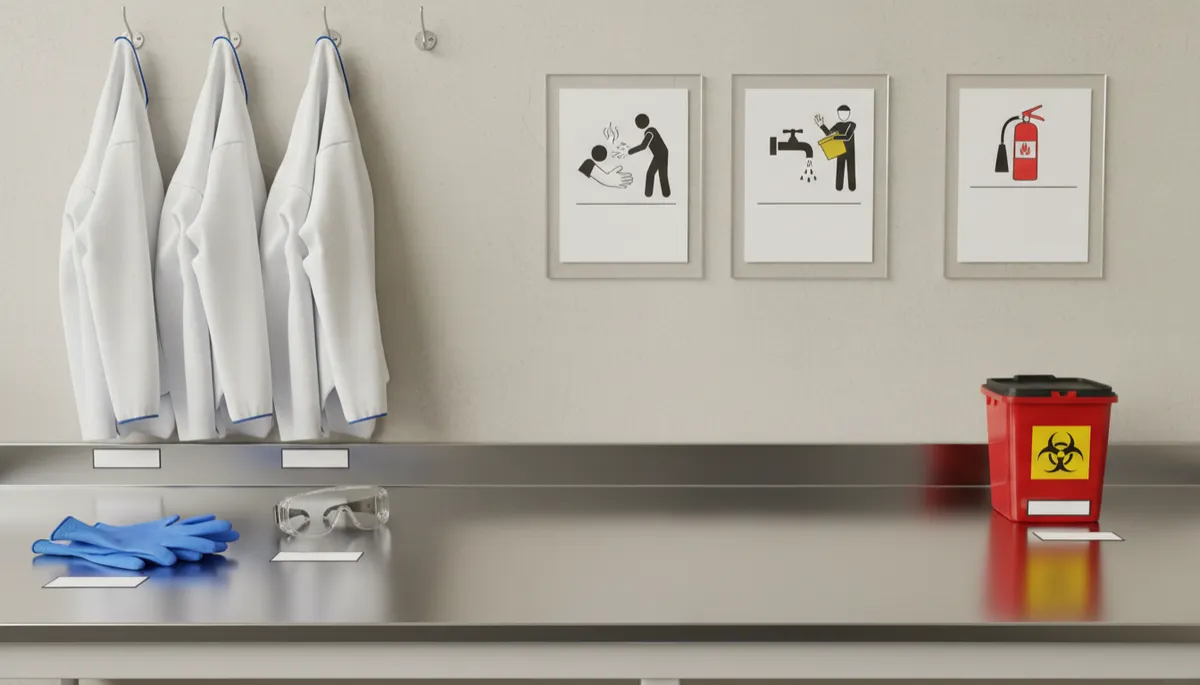
Visible safety gear and clear rules build trust with members and neighbors.
⚠️ Warning: Avoid working with human samples, pathogens, or genetically modified organisms beyond BSL-1 until you have expert oversight, approvals, and the right facilities.
Step 4: Find a Space and Design Your Lab Layout
Once your vision and basic structure are in place, it’s time to find a home. Many groups build a community bio lab in the US by partnering with:
Makerspaces or hackerspaces that already have tools and members.
Community colleges or universities with unused lab areas after hours.
Nonprofit hubs, old office spaces, or underused commercial units willing to offer reduced rent.
When you evaluate a space, look for good ventilation, access to sinks and drains, enough electrical outlets, and room to separate “clean” teaching areas from “wet lab” benches. Even a modest room can become a functional citizen science lab with smart layout and storage.
Step 5: Gather Equipment and Supplies (Without Breaking the Bank)
You don’t need the latest high-end gear to start a local bio lab in America. Many successful community labs began with donated or refurbished equipment and upgraded over time. Start with the essentials:
Microscopes (even basic brightfield scopes are great for beginners).
Micropipettes and tips, test tubes, petri dishes, and culture media for simple microbiology.
A small incubator and refrigerator dedicated to lab use only.
Safety gear: lab coats, gloves, goggles, and labeled waste containers.
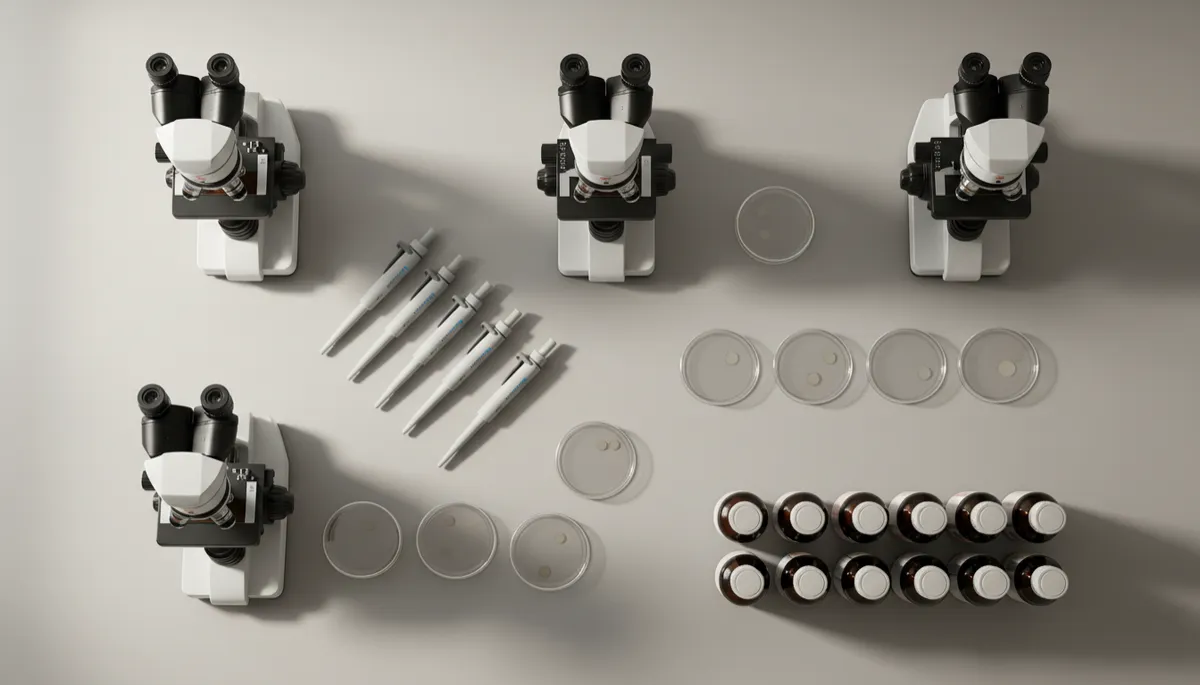
Start with core tools; you can expand your equipment as membership grows.
💡 Pro Tip: Reach out to local universities, hospitals, and biotech companies. They often have older but functional equipment they’re happy to donate or sell at low cost.
Step 6: Create Programs, Classes, and Membership Options
A beautiful lab is only half the story; the real magic is what people do inside it. To truly build a community bio lab in the US that stays active, design offerings that meet people where they are:
Intro classes like “Microscopes 101” or “Grow Your First Bacteria Plate.”
Project nights where members bring ideas and get help designing experiments.
Youth workshops and school partnerships that bring field trips into the lab.
Offer flexible memberships, monthly passes, student discounts, and day passes, so people can engage at their own pace. Clear community guidelines, safety training, and a short orientation for new members keep things running smoothly and safely.
Step 7: Engage Your Neighborhood and Build Trust
Community labs thrive when neighbors understand and support what you do. Transparency is key. Host open houses, give short talks at local schools, libraries, and city council meetings, and share photos (with permission) of people learning and experimenting together. Emphasize your commitment to safety, ethics, and public benefit.
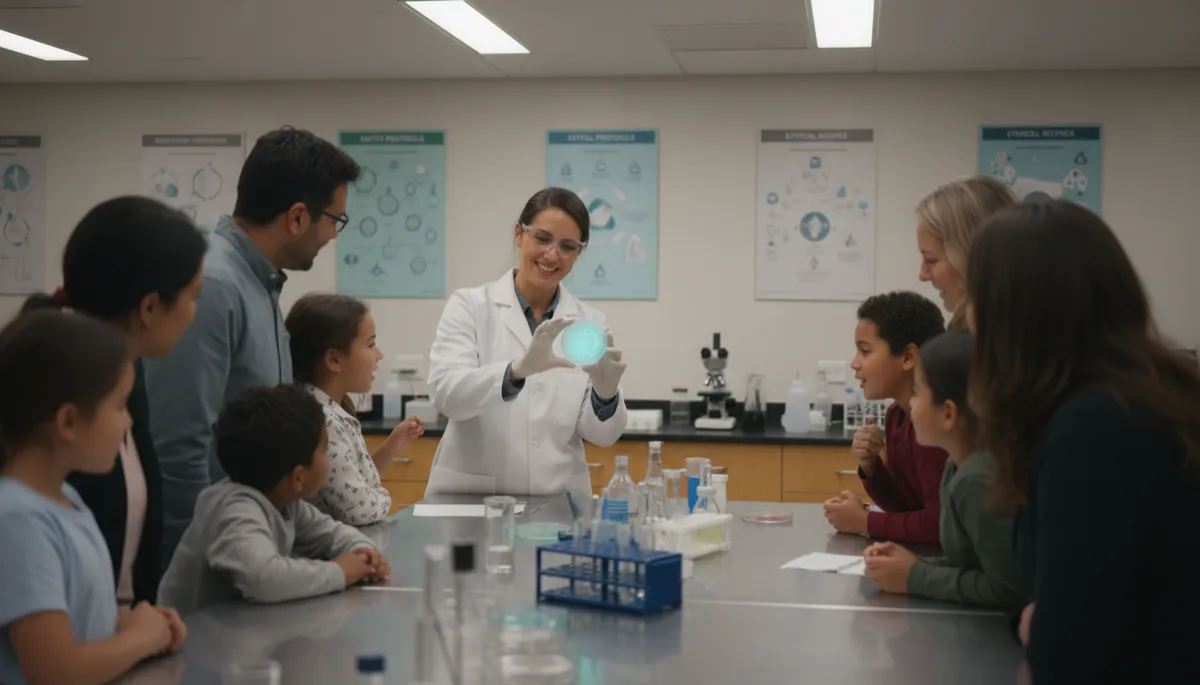
Open houses and demos show that your lab is safe, welcoming, and community-focused.
Many people are curious but cautious about biology. When they see friendly faces, clear rules, and simple, beautiful experiments, their fear turns into excitement. That’s how you transform a room full of equipment into a trusted neighborhood resource.
Step 8: Plan for Sustainability and Growth
To keep your lab thriving, think early about how you’ll sustain it financially and organizationally. Common revenue streams include memberships, paid classes, grants, sponsorships, and collaborations with schools or local government. Rotate leadership roles, train new volunteers, and document your procedures so the lab doesn’t depend on just one or two people.
📌 Key Takeaway: Treat your community bio lab like a living organism, it needs regular care, fresh ideas, and new people to stay healthy and grow.
Bringing It All Together: Your Citizen Science Lab Journey
Building a community bio lab in your US city is a big project, but it’s absolutely doable when you break it into steps. Start with a clear vision, gather a small but committed team, set up a safe and legal foundation, and slowly assemble space, equipment, and programs. Along the way, remember that your real goal isn’t just to start a local bio lab in America—it’s to open doors for people who never thought biology could be for them.
Use this citizen science lab guide as a roadmap, but feel free to adapt it to your city’s culture and needs. Talk to other community labs, learn from their successes and mistakes, and share your own lessons as you grow. Every new lab makes the DIY biology ecosystem stronger and more diverse.
Most of all, keep the spirit of curiosity at the center. If you can create a space where someone walks in nervous and walks out saying, “Wow, I did real science today,” you’ve succeeded. That’s the power of building a community bio lab in the US, one city, one neighborhood, and one curious mind at a time.