


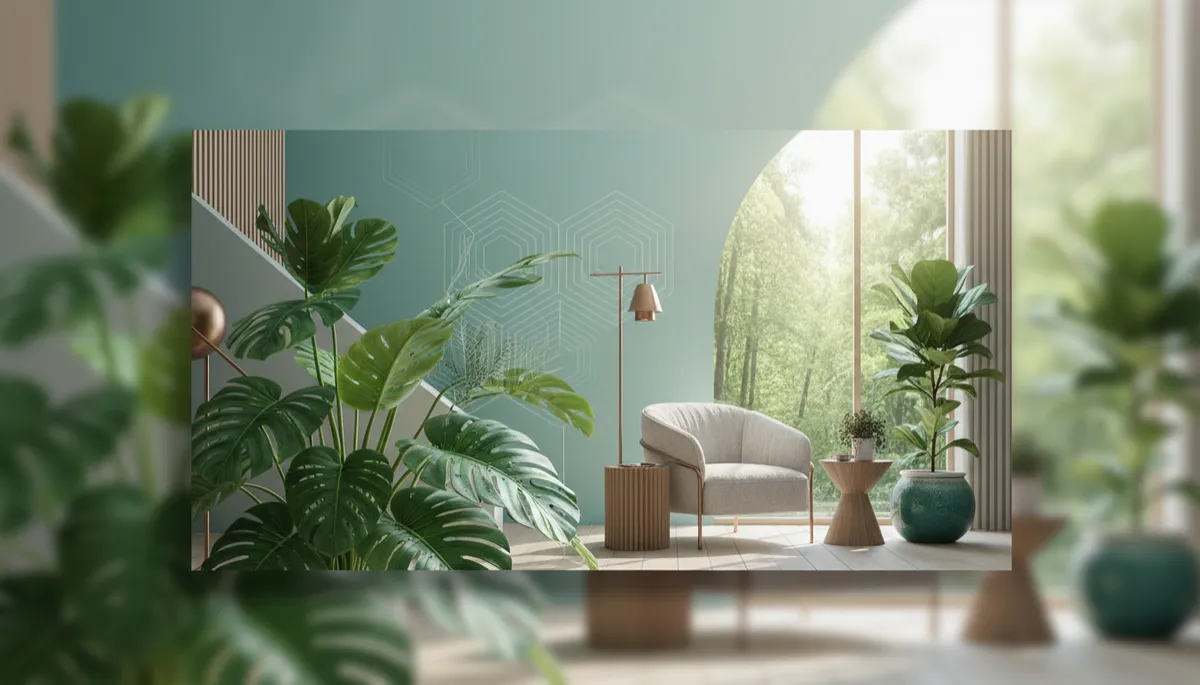
Biophilic Interior Design: Nature-Inspired Home Ideas
Interior Design, Biophilic Design, Nature-inspired Interiors
Biophilic Interior Design: Bringing Nature Home, One Room at a Time
On a gray Monday morning, Mia realized her apartment felt more like a storage box than a sanctuary. The walls were bare, the air was still, and the only hint of life was the blinking light on her Wi‑Fi router. Yet just outside, the world was humming with movement, trees swaying, birds calling, light shifting through clouds. That contrast is where the story of Biophilic Design really begins: with the quiet ache we feel when our interiors forget that we are creatures of nature.
What Is Biophilic Interior Design, Really?
Biophilic Interior Design is more than adding a few plants to a shelf. It is the intentional practice of weaving nature, and our innate love for it, into the spaces where we live, work, and rest. The word “biophilia” means “love of life,” and biophilic interiors honor that love through Nature-inspired Interiors that echo the colors, textures, rhythms, and patterns of the natural world.
Imagine stepping into a room where the air feels fresh, daylight pools gently on the floor, and your eyes land on soft greens and fresh aqua hues that remind you of ocean water. Wood grain runs under your fingertips. A leafy plant stretches toward the window. You hear the faint trickle of water from a small fountain. That sensory experience is the heart of biophilic design: interiors that feel alive and, in turn, make you feel more alive too.
Core Principles of Biophilic Interior Design
When designers talk about Interior Design Principles for biophilic spaces, they are really talking about ways to reconnect you with the natural patterns your body already understands. You do not need a design degree to use these principles at home; you only need to notice how nature makes you feel and translate that into your rooms.
Let There Be Natural Light
Think about how you instinctively move toward a sunny spot in a café. Biophilic interiors prioritize daylight: uncovering windows, using light curtains, and arranging seating where you can soak in the sun. Even if your home is small or shaded, reflective surfaces and light, fresh aqua or soft white walls can bounce what light you have deeper into the space.Use Natural Materials and Textures
Our hands know the difference between plastic and wood, between vinyl and linen. Biophilic Design leans on materials like oak, rattan, stone, wool, and cotton. A wooden coffee table, a jute rug, or a linen throw can subtly remind your senses of the outdoors, even in a city apartment.Bring In Living Greenery
Plants are the most obvious expression of Nature-inspired Interiors, but they are also the most powerful. From a trailing pothos on a bookshelf to a sculptural fiddle-leaf fig in a corner, greenery introduces movement, color, and even a gentle sense of responsibility as you care for something living.Echo Nature’s Colors and Patterns
Nature’s color palette is rich but rarely harsh. Think mossy greens, warm browns, stone grays, and water-inspired tones like teal and fresh aqua. Patterns such as leaf veins, rippling water, or branching trees can appear in textiles, wall art, or even the grain of your flooring, creating a subtle visual rhythm your brain finds soothing.Engage Multiple Senses
Nature is not just something we see; we feel it, hear it, and smell it. Biophilic interiors might include the soft sound of water, the scent of cedar or eucalyptus, or the feel of a cool stone countertop. Even opening a window to let in birdsong or a breeze can shift the entire mood of a room.
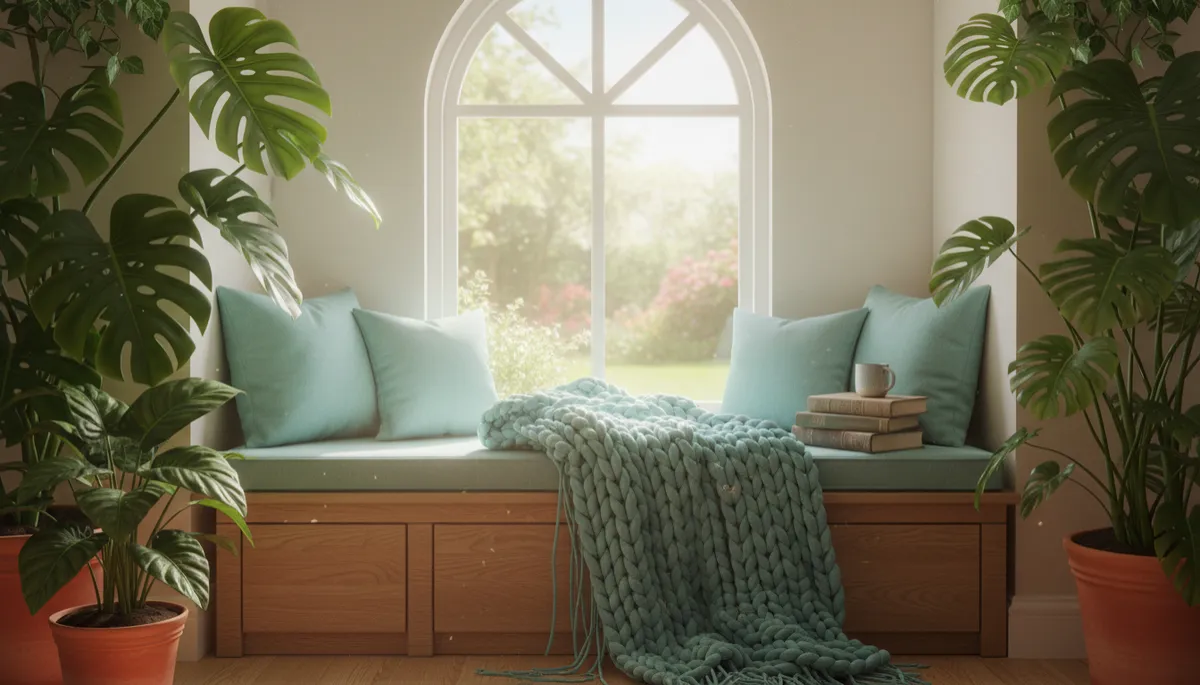
A simple reading corner transforms into a retreat with plants, texture, and color.
The Real-Life Benefits of Nature-Inspired Interiors
One evening, as Mia sat on her newly added window bench, a plant brushing her shoulder and the last light of the day slipping across her fresh aqua pillow, she realized something had changed. Her shoulders were lower. Her breath was deeper. The space that once felt like a box now felt like a gentle exhale. That is the quiet power of biophilic interiors: they reshape how you feel, often before you can put it into words.
Reduced Stress and Anxiety
Studies consistently show that exposure to nature lowers cortisol, the stress hormone. When your home mirrors natural environments, through plants, views, light, and organic textures, your nervous system recognizes it as a safe, restorative space. You may find yourself sleeping better, worrying less, and recovering faster from long days.Improved Focus and Productivity
There is a reason so many coworking spaces are embracing Biophilic Design. Natural elements have been linked to better concentration and creativity. A desk near a window, a small plant by your laptop, or walls painted in calm, water-inspired tones can help your mind stay clear and alert during demanding tasks.Enhanced Mood and Well-Being
Nature-inspired Interiors often feel more uplifting and welcoming. When your home greets you with soft light, living greenery, and materials that feel warm to the touch, it sends a daily message: you belong here. Over time, that sense of belonging can support emotional resilience and a deeper feeling of contentment.Healthier Indoor Air
While plants are not a magic replacement for good ventilation, many varieties do help filter certain pollutants and add a gentle level of humidity to dry rooms. Combined with opening windows when possible and choosing low-toxicity finishes, biophilic choices can make your home literally easier to breathe in.
💡 Pro Tip: When in doubt, ask yourself, “Would I see this in nature?” If the answer is yes, soft light, organic shapes, earthy colors, you are likely moving closer to true biophilic design.
Real-World Examples You Can Borrow for Your Own Home
You do not need a sprawling house or an unlimited budget to bring these Interior Design Principles to life. Biophilic Design thrives in small, ordinary spaces because it is rooted in simple, human needs: light, air, greenery, and connection. Here are a few story-driven examples to spark ideas for your own rooms.
1. The City Studio That Became a Pocket Forest
Jonah’s studio apartment looked onto a brick wall. No sweeping views, no balcony, just a single window and a lot of concrete. Instead of giving up, he created his own “pocket forest.” He lined the windowsill with herbs and small succulents, hung a trailing ivy from the curtain rod, and placed a tall, leafy plant beside his bed. He swapped his stark white bedding for soft linen in muted sand tones, then added a fresh aqua throw to echo river water. Morning coffee suddenly felt like a moment in a greenhouse, not a corner of a city block.
2. The Home Office That Finally Felt Like a Fresh Start
When remote work became permanent, Priya knew her dining table setup was draining her energy. She turned a small spare room into a biophilic home office. First, she moved her desk to face the window, so her eyes could rest on the sky between emails. She painted one wall a gentle, watery aqua and chose a wooden desk with visible grain. A woven basket held her cables, and a tall plant flanked the corner behind her chair. On stressful days, she found herself pausing to watch how the leaves moved in the afternoon light, and then returning to her work with a clearer head.
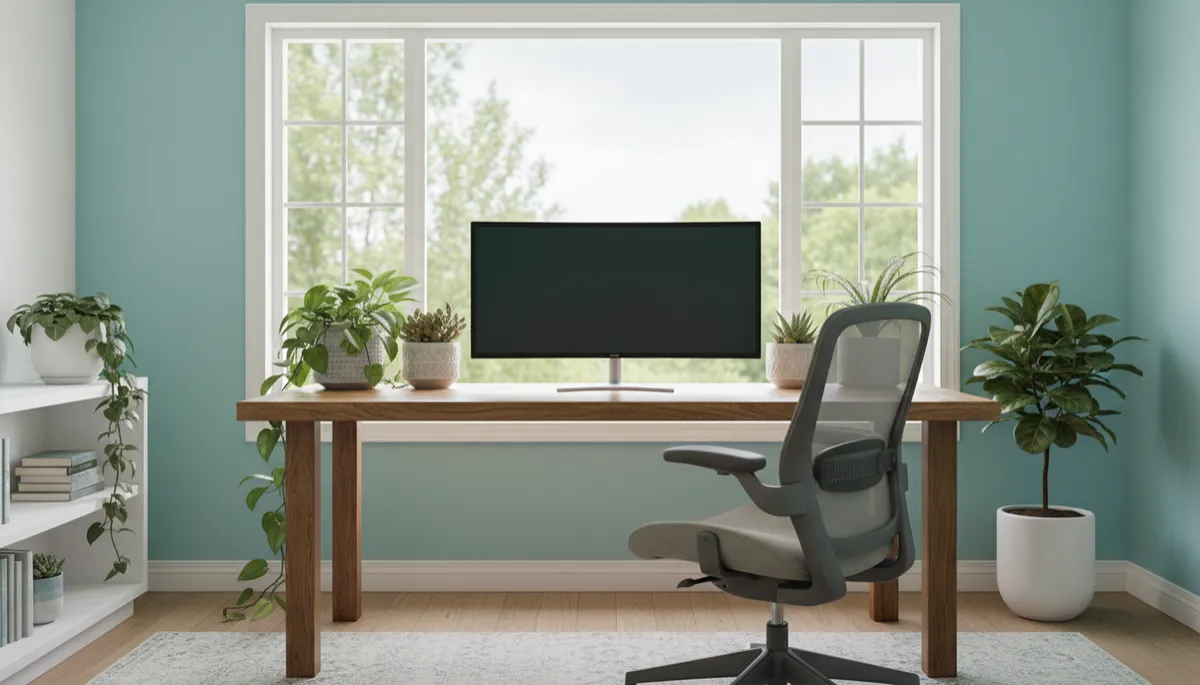
A nature-infused workspace can make long hours feel lighter and more focused.
3. The Bathroom That Became a Mini Spa
Even the smallest rooms can tell a biophilic story. In a narrow bathroom with no window, Elena leaned on texture and color to recreate the feeling of a forest stream. She chose towels and a shower curtain with soft, flowing patterns in white and fresh aqua, added a bamboo bath mat, and placed low-light plants like a snake plant and pothos on open shelves. A diffuser with cedarwood oil filled the air with the scent of trees after rain. It was still the same square footage, but it now felt like stepping into a quiet, green cocoon.
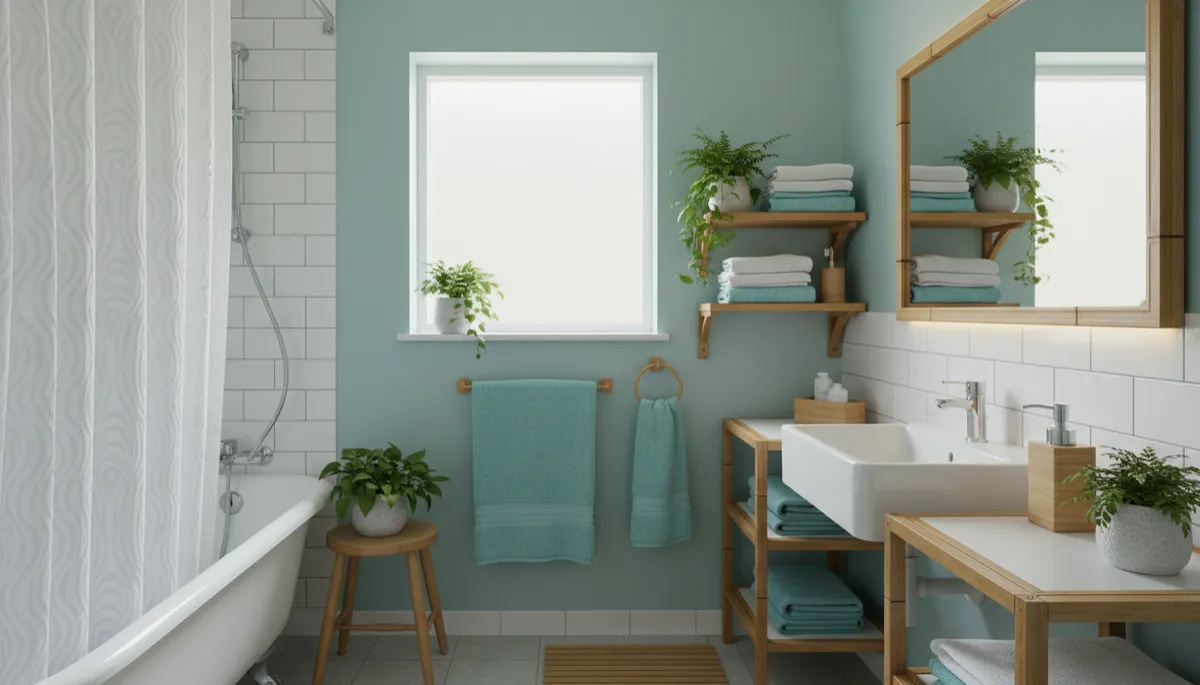
Thoughtful color and texture choices can turn ordinary rooms into restorative retreats.
How to Start Your Own Biophilic Design Journey Today
You do not have to transform your entire home overnight. Biophilic Design is most powerful when it grows with you, one thoughtful change at a time. Start by choosing a single room, the place where you most need calm or energy, and ask three simple questions: How can I invite in more light? Where can I add something living? What colors and textures will remind me of my favorite outdoor place?
Open your curtains fully each morning and clear clutter from your windowsills so light can flow freely.
Add one easy-care plant, like a pothos or snake plant, and place it where you will see it often.
Introduce a touch of fresh aqua through a pillow, throw, or piece of art to echo water and sky.
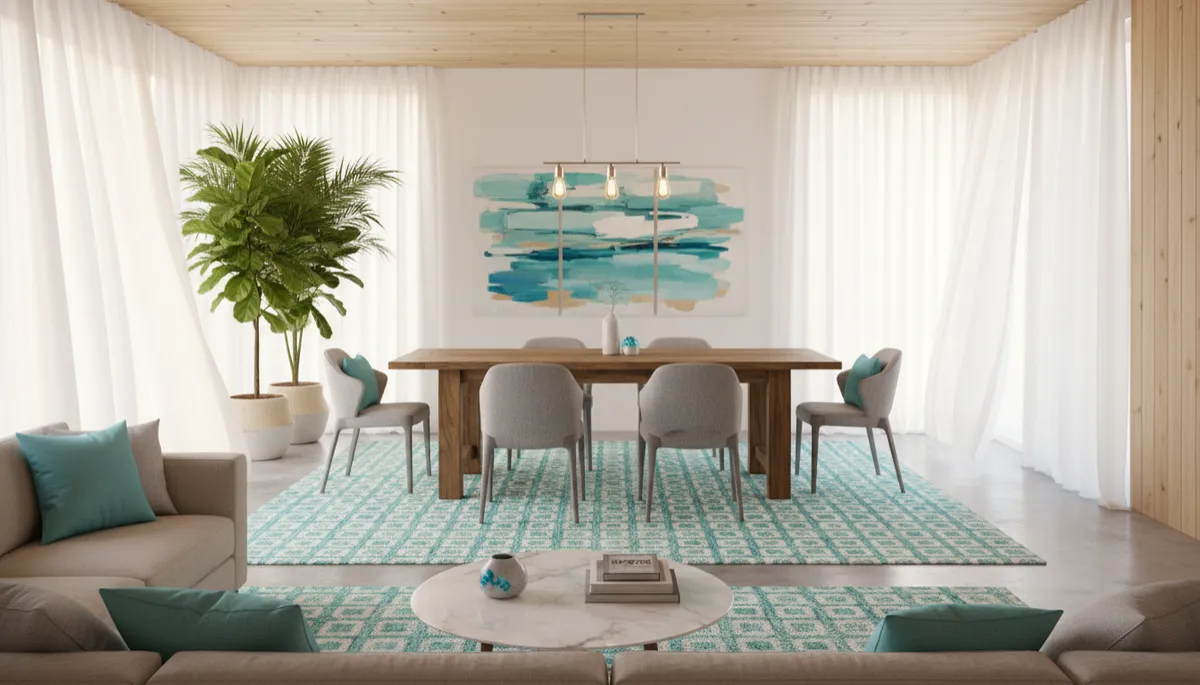
Small biophilic touches, repeated throughout a home, create a powerful sense of harmony.
Over time, these small decisions add up to a home that does more than shelter you—it supports you. Your rooms begin to tell a different story: one where you are not cut off from the natural world, but in quiet conversation with it every day. The light shifts, the plants grow, the air moves, and you move with it, a little calmer, a little more grounded, and a lot more at home.
In the end, Biophilic Interior Design is not about perfection or trends. It is about remembering that you are part of nature, even when you are standing in your kitchen or sitting at your desk. With every plant you place, every fresh aqua cushion you fluff, and every beam of daylight you invite in, you are writing a new chapter in your home’s story, one where nature is not outside looking in, but living right alongside you.