


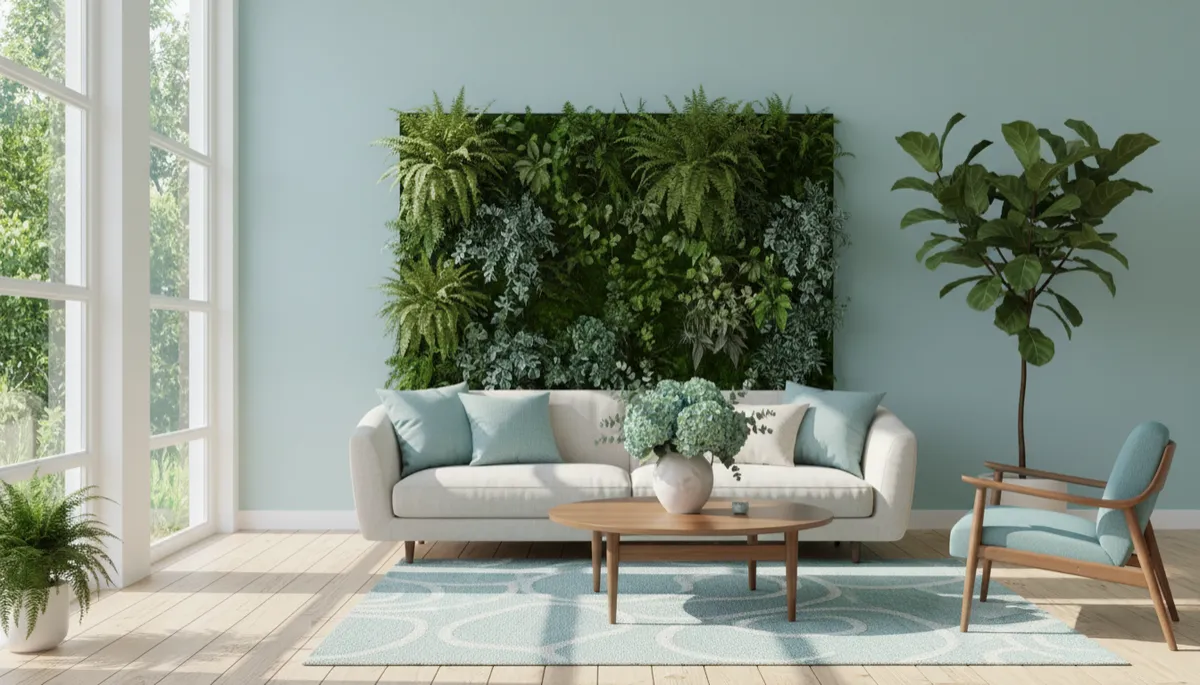
Biophilic Design: Transform Your Home with Nature
Home Design, Biophilic Design, Nature Inspired Interiors
What Is Biophilic Design? A Complete Guide for US Homes
The first time Mia realized something was wrong with her home, it wasn’t during a renovation show or a Pinterest scroll. It was on a Tuesday afternoon, hunched over her laptop at the kitchen table, when she noticed her shoulders creeping toward her ears and a dull headache that never quite left. Outside, the maple trees in her New England neighborhood were exploding into fiery reds and golds. Inside, under cool blue light and gray walls, everything felt…flat.
That evening, scrolling through ideas for a calmer space, she stumbled on a phrase she’d never heard before: biophilic design. The photos that followed looked nothing like the stark interiors she’d grown used to seeing. These rooms breathed. Sunlight spilled across wooden floors, plants climbed up bookshelves, and soft greens and fresh aqua tones echoed the colors of water and sky. For the first time in months, Mia felt her shoulders drop as she imagined her own home transformed into something softer, more alive, more human.
What Is Biophilic Design, Really?
Biophilic design starts with a simple, almost obvious truth: human beings are wired to connect with nature. The word “biophilia” literally means “love of life.” It’s the idea that we don’t just enjoy nature, we need it. Not as a luxury, but as a quiet, steady presence that helps our bodies and minds function at their best. Biophilic design is the practice of weaving that connection into the places we live, work, and rest, especially our homes.
Instead of treating nature as something “out there” - in a park, on a hiking trail, or on vacation - biophilic design asks: What if nature could be part of your everyday surroundings? Not in a forced, themed way, but in subtle layers: sunlight that shifts across the room during the day, the texture of real wood under your feet, the soft movement of leaves when a window is cracked open, the fresh scent of soil after watering your plants. It’s less about decorating with “forest” prints and more about creating nature inspired interiors that actually feel alive.
📌 Key Takeaway: Biophilic design is about restoring your natural connection to the outdoors inside your home, using light, materials, views, plants, and patterns that echo the living world.
Why Biophilic Design Matters for US Homes Today
If you live in the United States, chances are your days look a lot like Mia’s. Many Americans spend most of their time indoors, working from home, commuting by car, unwinding in front of screens. Even in states with stunning landscapes, from the Pacific Northwest to the deserts of Arizona, daily life often happens in sealed boxes of drywall, glass, and artificial light. Our homes are climate-controlled, convenient, and full of tech - and yet, they can quietly drain us.
Research has shown that connection to nature can lower stress, improve focus, and even support better sleep. But you don’t need a scientific paper to tell you how you feel after a walk under trees or a day by the ocean. The shift in your breathing, the way your thoughts slow down - that’s your nervous system responding to cues it recognizes as safe and nourishing. Nature inspired interiors bring more of those cues into your everyday spaces, turning your home from a neutral backdrop into an active source of calm and energy.
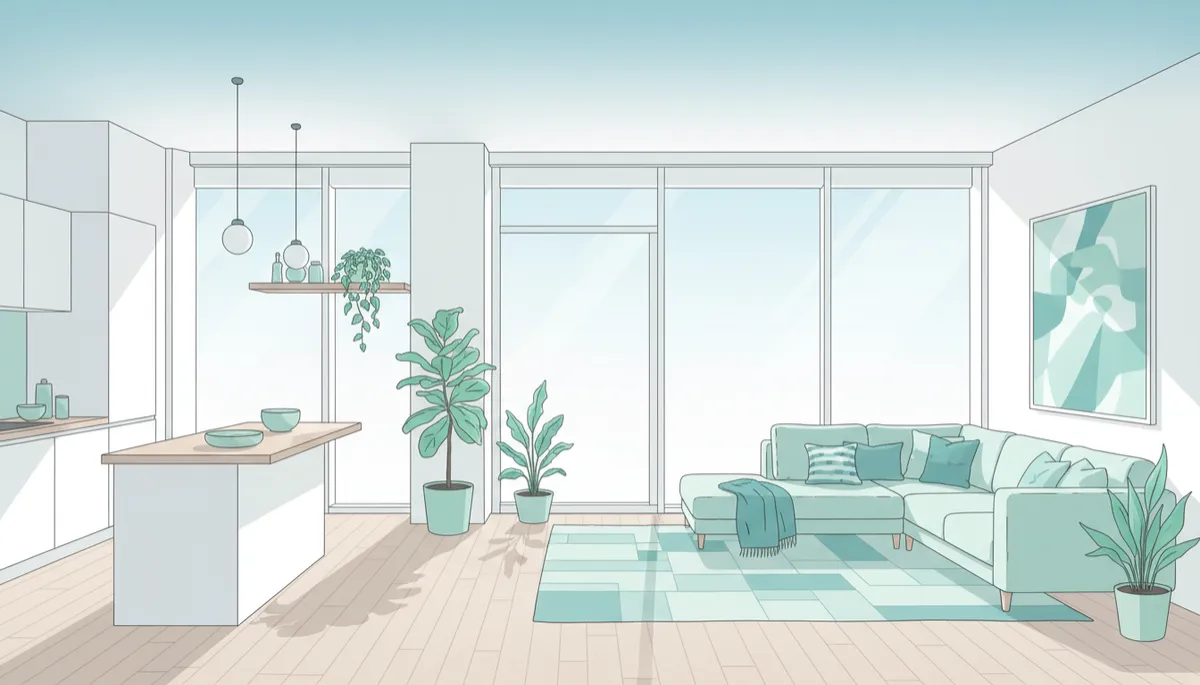
Simple shifts in light, plants, and materials can make small homes feel like urban sanctuaries.
In US homes, whether it’s a Brooklyn studio, a Texas ranch house, or a Seattle townhouse—biophilic design offers a way to soften the edges of modern life. It doesn’t demand that you tear down walls or move to the countryside. It invites you to ask, room by room: How can this space feel a little more like the places where I naturally relax and recharge?
The Three Layers of Biophilic Design in Home Design
When designers talk about biophilic design, they often describe three main layers. You don’t need to remember the terms, but understanding them can help you make smarter choices as you shape your own Home Design story.
1. Direct Connections to Nature
This is the most obvious layer - the real, living stuff. Think sunlight, fresh air, plants, water, and natural views. In a US home, that might look like:
Maximizing daylight by keeping window sills clear and choosing light, airy shades instead of heavy drapes.
Adding houseplants that suit your climate and lifestyle, snake plants for low light, herbs on a sunny kitchen windowsill, trailing pothos in a bathroom.
Opening windows regularly to let in fresh air and the subtle sounds of your neighborhood, whether that’s birds in the suburbs or city life in Chicago or LA.
Incorporating water, even in small ways, a tabletop fountain, a bowl of water with floating flowers, or simply a view of rain on the window.
2. Indirect References to Nature
Not every home has sweeping views or giant windows, and that’s okay. The second layer of biophilic design uses representations of nature, colors, shapes, textures, and materials that remind your brain of the outdoors. This is where nature inspired interiors really shine. Picture:
A fresh aqua throw blanket that recalls the calm of water, paired with sandy beige and soft stone gray tones.
Artwork featuring landscapes, leaves, or abstract patterns that mimic ripples, branches, or clouds.
Natural materials like wood, linen, jute, wool, and stone instead of shiny plastics and high-gloss finishes everywhere.
Rounded edges and organic shapes in furniture and decor, echoing river stones and tree branches rather than rigid, sharp lines.
3. Spatial Experiences Inspired by Nature
The third layer is more subtle, but it’s where your home starts to feel truly immersive. Think about your favorite outdoor places: a forest trail, a lakeside cabin, a rooftop overlooking the city. They usually combine a sense of shelter with a sense of openness. You might tuck under a tree but still see the sky. You might sit on a porch, protected from the elements but open to the breeze. Biophilic design brings that same feeling indoors by playing with space, light, and movement.
Creating cozy “nooks” for reading or relaxing, like a chair by a window with a view, a small bench under a staircase, or a window seat with cushions in calming colors.
Keeping sightlines open so you can see from one space to another, mirroring the experience of looking across a meadow or down a winding path.
Layering light, daylight, warm lamps, and soft accent lighting, to mimic the way light shifts outdoors from morning to evening.
💡 Pro Tip: When planning Home Design changes, ask yourself: “Where do I naturally want to pause, look out, or curl up?” Those spots are perfect for biophilic enhancements.
A Room-by-Room Guide to Biophilic Design for US Homes
Every home tells a different story, but the rooms we move through are surprisingly similar, from Boston condos to Phoenix bungalows. Here’s how to weave biophilic design into each space without gut renovations or designer budgets.
Living Room: Your Everyday Retreat
The living room is often the heart of Home Design, where movie nights, conversations, and quiet Sunday mornings collide. To make it a nature-inspired retreat, start with the basics: light, materials, and views. Clear clutter from window ledges, swap heavy, dark curtains for lighter fabrics, and position seating to face either a window or a focal point that connects to nature, like a plant-filled corner or artwork with a landscape scene.
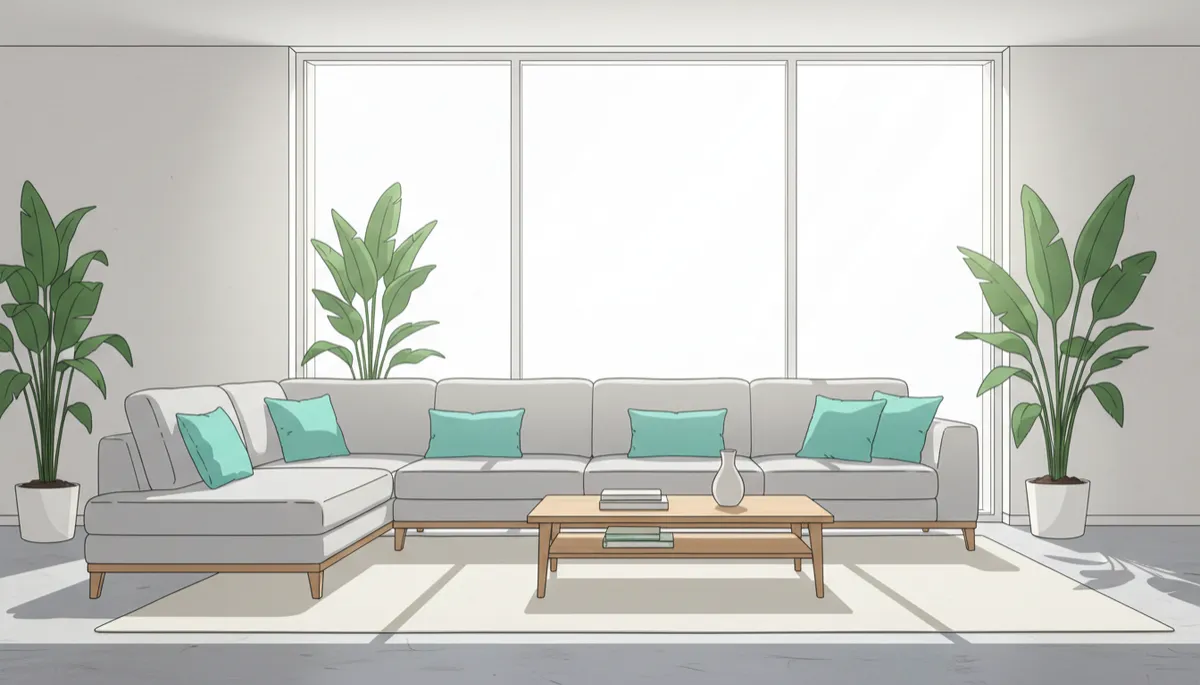
Thoughtful living rooms use color, plants, and light to echo calming outdoor scenes.
Bring in a few houseplants at different heights, a tall fiddle leaf fig or rubber plant, a trailing pothos on a bookshelf, a small succulent on the coffee table. Choose textiles in soft, earthy tones with touches of fresh aqua to nod to water and sky. A jute rug underfoot, a woven basket by the sofa, or a wooden side table can quietly ground the space in natural texture. Over time, your living room will start to feel less like a showroom and more like a sanctuary.
Bedroom: A Restorative Nest
Think about the last place in nature where you truly rested, maybe a cabin near a lake, a tent under the stars, or a quiet beach house. The sounds were softer, the light gentler, the colors muted. Your bedroom can borrow from that memory. Start by simplifying. Remove visual noise: extra decor, bright LEDs, harsh art. Replace them with a palette of soft greens, warm neutrals, and small touches of aqua, like a throw or a piece of art that reminds you of water or sky.
If possible, position your bed to catch morning light or to face a window. Add a plant that can handle lower light, like a ZZ plant or snake plant, to clean the air and add a living presence. Choose natural fibers for bedding, cotton, linen, or bamboo, and dimmable, warm lighting instead of bright overhead glare. Even in a small apartment bedroom, these shifts can make the room feel less like a storage space and more like a personal retreat.
Kitchen and Dining: Everyday Rituals with a View
The kitchen is where daily rituals unfold, coffee brewing, kids doing homework, late-night snacks. It’s also one of the easiest places to bring in biophilic design. Start with herbs on the windowsill: basil, mint, rosemary, or whatever you’ll actually use. The simple act of snipping fresh leaves can reconnect you to the cycle of growth and nourishment. If you have a dining table, consider placing it near a window or sliding door, turning meals into moments with a view, even if it’s just a glimpse of a tree, a balcony garden, or the changing sky.
Choose dishes, napkins, or a centerpiece that reflect natural colors and textures, ceramic plates in earthy tones, a wooden bowl filled with seasonal fruit, or a vase with simple branches or wildflowers. Even in a compact city kitchen, these small choices can make everyday tasks feel more grounded and less rushed.
Bathroom: A Mini Spa Inspired by Nature
Bathrooms are naturally tied to water, making them perfect candidates for biophilic design. Imagine stepping into a space that feels like a small spa: soft colors, gentle light, and a hint of greenery. Start by taming harsh lighting with warmer bulbs or a dimmer switch. Add a plant that loves humidity, like a fern, pothos, or peace lily, on a shelf or windowsill. Choose towels in soothing, nature-inspired colors, like seafoam, sand, and stone, and consider a shower curtain or tile pattern with subtle organic lines.
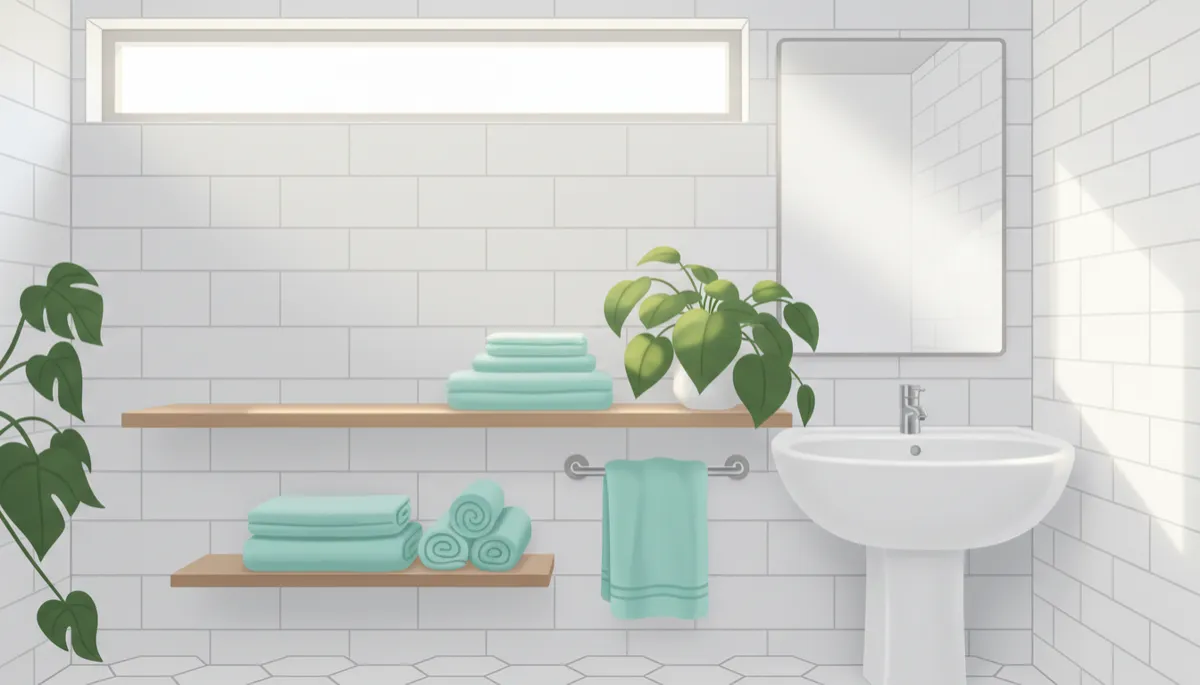
Even compact bathrooms can feel like spa retreats with plants, color, and gentle light.
A small wooden stool, a stone soap dish, or a woven basket adds tactile warmth. These aren’t just decor choices; they’re cues your senses read as natural, familiar, and calming, even when you’re rushing through a weekday morning routine.
Biophilic Design on Any Budget
It’s easy to assume that transforming your home into a nature-inspired haven requires a designer and a big budget, but the heart of biophilic design is much simpler. It’s less about buying the perfect furniture and more about asking different questions: How does this room make me feel? Where is the light? What do I see when I first wake up? With those questions in mind, you can make meaningful changes at any price point.
No-cost changes: Reposition furniture to face windows, clear clutter from sills, open blinds during the day, and create a designated “view spot” where you can sit and look outside, even briefly.
Low-cost updates: Add a few easy-care plants, swap one harsh light bulb for a warmer one, bring in a secondhand wooden side table, or replace one bold, busy decor item with a calm nature print or abstract landscape in fresh aqua and soft greens.
Investment pieces: Over time, consider upgrading to natural fiber rugs, solid wood furniture, or larger windows and doors if you own your home and plan renovations. Each investment deepens your home’s connection to the natural world.
📌 Key Takeaway: Start small. One plant, one softened light, or one nature-inspired corner can begin to shift how your entire home feels.
Making Biophilic Design Personal: Your Story, Your Home
The most powerful nature inspired interiors aren’t carbon copies of magazine spreads. They’re deeply personal. For Mia, the turning point came on a rainy Sunday in her New England kitchen. She was repotting a small plant she’d almost given up on, its leaves drooping over the edge of a cracked plastic pot. She placed it into a simple clay planter, added fresh soil, and set it on the windowsill above her sink. As she rinsed the dirt from her hands, she realized this tiny act had changed something. The window no longer looked out onto a flat gray day—it framed a living thing she was caring for.
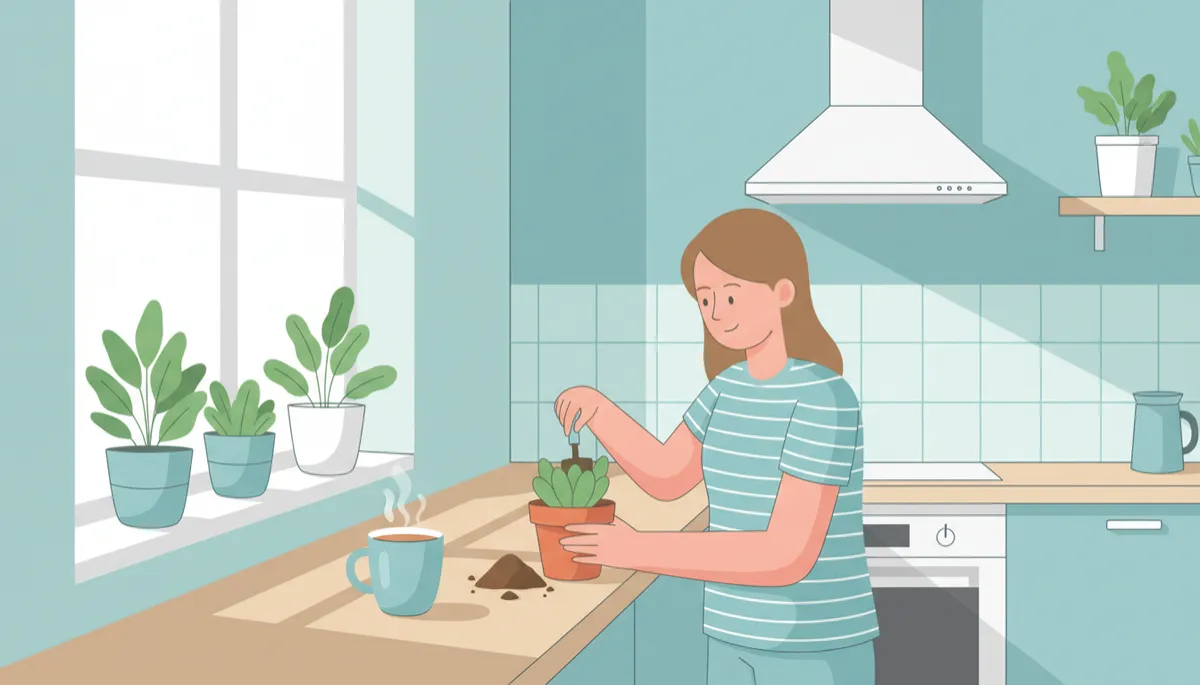
Caring for living elements turns design choices into daily rituals of connection.
That single plant led to a second, then a third. She rearranged her living room so the sofa faced the window instead of the TV. She swapped a harsh overhead light for a floor lamp with a warm, soft glow. She brought in a rug with subtle, organic lines in sandy neutrals and fresh aqua, reminding her of trips to the coast. None of these changes were dramatic on their own, but together, they rewrote the story her home was telling, from “get things done” to “you’re allowed to rest here.”
Your Next Steps: Bringing Biophilic Design Home
So where do you begin? Not with a shopping list, but with a pause. Stand in the center of your living room, your bedroom, your kitchen, any space you use every day. Take a slow look around and ask yourself:
Where is the light? Am I using it, or am I blocking it?
What do I see first? Does that view calm me or drain me?
What do I touch every day? Are those surfaces cold and synthetic or warm and natural?
Where could something living go? A plant, a bowl of fruit, a vase of branches?
From there, choose one small change to make this week. Maybe it’s clearing your windowsill and adding a plant. Maybe it’s rearranging your furniture to face the window. Maybe it’s swapping one piece of art for a landscape you truly love, in colors that remind you of your favorite places, forest greens, desert ochres, or the fresh aqua of clear water. Let that change settle in. Notice how it feels. Then, when you’re ready, add another layer.
💡 Pro Tip: Think of biophilic design as an ongoing conversation with your home, not a one-time project. As your life shifts, your connection to nature can evolve with it.
Conclusion: Let Your Home Breathe Again
In a country where so much of life happens indoors, from remote work to streaming nights, our homes can either quietly drain us or quietly heal us. Biophilic design offers a way to choose healing, to turn four walls and a roof into a living, breathing environment that supports who you are and how you want to feel. It’s not about perfection or trend-chasing; it’s about remembering that you are part of nature, even when you’re standing in your kitchen in socks, waiting for the coffee to brew.
When you invite nature back into your Home Design, through sunlight, plants, textures, colors, and thoughtful spatial choices, you’re not just updating a style. You’re rewriting your daily story. The story where your living room becomes a retreat, your bedroom a nest, your bathroom a tiny spa, and your kitchen a place where rituals connect you to the seasons and to yourself. The story where you wake up, look around, and feel your body soften a little, because your home finally feels like it’s on your side.
Mia didn’t move to the mountains or buy a cabin by the lake. She stayed in her New England house, on her busy street, with her laptop on the kitchen table. But now, when she looks up from her work, she sees sunlight sliding across wooden floors, leaves shifting gently in the breeze, and small touches of color that remind her of water and sky. Her home hasn’t just changed how it looks, it’s changed how she feels inside it. And that’s the quiet power of biophilic design waiting for you, right where you are.