



Top Solar Battery Backup Options for Homes 2026
Solar, Home Energy, Solar Battery Backup, Home Battery Storage
Best Solar Battery Backup Options for U.S. Homes in 2026
Thinking about adding a solar battery backup to your home in 2026? You’re not alone. More U.S. homeowners are pairing rooftop solar with home battery storage to keep the lights on during outages, cut electric bills, and gain a little energy independence. This guide walks you through the best options available now, what makes them different, and how to choose the right system for your home and budget.
Why Solar Battery Backup Matters More Than Ever in 2026
Between more frequent storms, heat waves, and rising electricity costs, power reliability has become a real concern across the U.S. A solar battery backup system lets your panels keep working for you even when the grid goes down, storing extra solar energy during the day and feeding it to your home at night or during outages. Instead of relying on a noisy gas generator and fuel runs, you get quiet, automatic backup that kicks in within seconds.
On top of peace of mind, modern home battery storage can help you save money. Many utilities now use time-of-use rates, charging more during peak hours. A smart battery can charge from your solar panels or cheaper off-peak power, then discharge when rates spike, trimming your monthly bill without you lifting a finger.
💡 Friendly tip: If you already have solar, adding a battery can often be done as an add-on. If you’re planning solar, designing panels and storage together usually gives you the best performance and value.
Key Terms to Know Before You Compare Home Battery Storage
As you browse solar battery backup options, you’ll see a few specs over and over. Here’s what they mean in plain language:
Capacity (kWh): How much energy the battery can store. Think of this as the “size of the tank.” A typical U.S. home uses about 25–30 kWh per day, but you may only need 10–20 kWh for essential backup loads like lights, fridge, Wi‑Fi, and a few outlets.
Power (kW): How much energy the battery can deliver at once. This determines how many big appliances you can run at the same time without tripping the system, such as AC, well pumps, or electric ranges.
Round-trip efficiency: How much energy you get back out compared to what you put in. Higher numbers (like 97–98%) mean less waste and more value from every kilowatt-hour you store.
Warranty and lifespan: Most leading systems now offer 10–15 year warranties, often tied to a certain amount of energy throughput (how many times you can charge and discharge the battery).

A quick look at capacity and power ratings helps match a battery to your lifestyle.
Best Overall Solar Battery Backup: Tesla Powerwall 3
Across multiple 2026 reviews, including EnergySage and Solar.com, the Tesla Powerwall 3 consistently ranks as the best all-around solar battery backup for U.S. homes. It offers about 13.5 kWh of usable capacity, strong continuous power output, and an impressive round-trip efficiency of around 97.5% (EnergySage, 2026). It can work with both AC- and DC-coupled solar systems, which makes it flexible for new installs and many retrofits.
What homeowners tend to love most is the “it just works” experience. The Powerwall app gives a friendly view of how much solar you’re producing, how full your home battery storage is, and where your energy is going. During an outage, it automatically shifts into backup mode, prioritizing essential loads you and your installer have chosen. For most households that want a proven, widely supported option, Powerwall 3 is a very safe bet, even if it’s not the cheapest on a per‑kWh basis.
💬 Friendly note: If you already drive a Tesla or like the idea of one app for car, solar, and storage, the Powerwall ecosystem can feel especially seamless.
Best for Whole‑Home Backup and Heavy Loads: FranklinWH aPower 2
If your goal is to keep nearly everything running, central air, well pump, electric oven, and maybe even EV charging, take a close look at the FranklinWH aPower 2. Multiple sources, including ConsumerAffairs and Solar.com, praise it for high peak power and robust whole‑home backup performance. Each unit offers 15 kWh of usable capacity, and you can stack up to 15 units, which is more than enough for large homes or light off‑grid use.
The tradeoff is slightly lower efficiency (around 90%) and a higher price per kWh than some competitors. But if you live in an area with frequent, long outages or rely on power‑hungry equipment, the aPower 2’s muscle and 15‑year warranty can be worth the premium. Many homeowners also appreciate its strong generator integration options, giving you a “belt and suspenders” approach to backup.
Best Value for Large Capacity: MidNite Solar Powerflo 16
For high‑usage households that want a lot of storage without paying top‑shelf prices, the MidNite Solar Powerflo 16 is hard to ignore. With 16 kWh of usable capacity in a single unit and excellent round‑trip efficiency (about 97.5%), it offers one of the lowest costs per kWh, around $340, according to EnergySage’s 2026 data. That’s significantly below the average across major brands.
The Powerflo 16 is especially attractive if you’d rather install a few larger batteries instead of many smaller ones. It’s a strong fit for homes with big solar arrays, workshop loads, or partial off‑grid cabins where value and capacity matter more than brand recognition. As with any system, make sure your installer is familiar with the product and local code requirements.
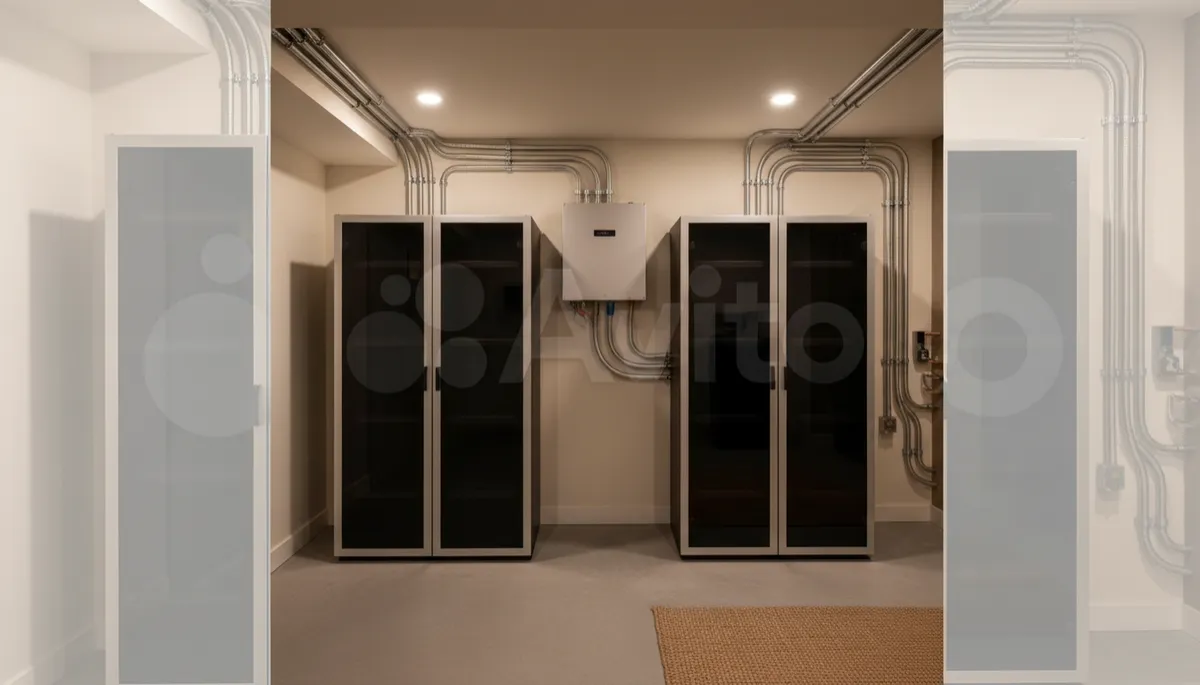
Larger-capacity batteries can simplify installations for homes with higher energy needs.
Most Efficient: Sigenergy SigenStor BAT
If squeezing every drop of value from your solar production appeals to you, the Sigenergy SigenStor BAT stands out with the highest reported round‑trip efficiency, around 98% (EnergySage, 2026). Its modular design lets you build a system that matches your actual needs instead of over‑ or under‑sizing from day one.
The main consideration here is that Sigenergy is a newer brand in the U.S. market. While early reviews are strong, it doesn’t yet have the long track record of Tesla or Enphase. If you’re comfortable being an early adopter and you have a trusted installer who works with Sigenergy, the SigenStor BAT can be an efficient and flexible choice for home battery storage.
Best for Enphase Solar Systems and Bill Savings: Enphase IQ Batteries
Already have Enphase microinverters on your roof? Then the Enphase IQ Battery line, especially the IQ 5P and IQ 10C, deserves a top spot on your shortlist. These batteries integrate tightly with Enphase’s existing hardware and monitoring platform, making it easy to see your whole system in one app and avoid compatibility headaches.
Solar.com highlights the IQ 5P as particularly strong for bill savings, thanks to smart controls that optimize when to charge and discharge based on your utility’s rate schedule. The downside is cost, Enphase batteries tend to sit at the higher end of the price spectrum per kWh. If you value a polished, integrated experience and already like your Enphase solar system, that premium can be worthwhile.
Flexible and DIY‑Friendly: EcoFlow and Bluetti Options
Not everyone needs a permanently wall‑mounted solar battery backup tied into every circuit. If you’re a renter, live in a smaller space, or just like the idea of something modular and movable, systems from EcoFlow and Bluetti are worth a look.
EcoFlow DELTA Pro Ultra and Stream Ultra X: Great for plug‑and‑play setups, backup for critical loads, or small apartments. They’re expandable and can be integrated into home panels with the right accessories and a qualified electrician.
Bluetti EP900: Designed with high burst power for motor‑start loads like pumps and compressors, ideal if you have specific heavy appliances to support during an outage.

Portable and modular batteries offer backup flexibility for renters and smaller spaces.
How to Choose the Right Solar Battery Backup for Your Home
With so many strong options in 2026, the “best” solar battery backup really comes down to what you need and value most. Here are a few friendly questions to walk through as you decide:
What do you want to power during an outage? Make a simple list: fridge, lights, Wi‑Fi, medical devices, maybe heating or cooling. Your installer can translate that into a recommended capacity and power rating.
Are you aiming for whole‑home backup or just essentials? For essentials, one Powerwall 3 or similar battery might be enough. For whole‑home backup, you may need multiple units or a higher‑power system like FranklinWH aPower 2.
Do you already have solar? If yes, compatibility matters. Enphase IQ batteries pair best with Enphase microinverters, while Tesla and others can often work with a wider range of setups. Your installer can confirm what fits your existing system.
What’s your budget, and what incentives can you claim? Battery prices vary from roughly $340 per kWh on the low end (MidNite Solar) to over $1,400 per kWh for premium systems like Enphase. The good news: many homeowners can still claim federal tax credits and, in some states, additional rebates for home battery storage. That can significantly soften the upfront cost.
Who will install and support it? A great battery with poor installation can turn into a headache. Look for local installers who are certified with the brands you’re considering and ask how many systems they’ve put in.

A short conversation with a qualified installer can quickly narrow your top battery choices.
Bringing It All Together
In 2026, U.S. homeowners have more high‑quality solar battery backup options than ever before. The Tesla Powerwall 3 remains the crowd‑pleasing all‑rounder, FranklinWH aPower 2 shines for heavy whole‑home backup, MidNite Solar Powerflo 16 offers standout value for large capacity, and Sigenergy, Enphase, EcoFlow, and Bluetti each bring something unique to the table. There’s no one right answer, only the best match for your home, habits, and budget.
If you’re ready to explore home battery storage, start by clarifying what you want your system to do, then talk with a reputable local installer about two or three of the options above. With the right solar battery backup in place, the next time the grid flickers, your home can stay comfortably, and quietly, powered.