

Top Soil Building Tips for Small Gardens
Gardening, Soil Building
The Best Soil Building Practices for Small Gardens
On a tiny patch of ground behind an old brick apartment building, a tired strip of dirt became a living, breathing garden, simply because someone decided to start building soil instead of buying it in bags.
The Day the Garden Refused to Grow
When Mia first moved into her ground-floor apartment, the “garden” outside her window was little more than compacted, grayish dust. She tried everything a new gardener thinks to try: a few bags of potting mix, some hopeful herb starts, even a tomato plant that looked brave enough to survive anything. Within weeks, the basil turned yellow, the tomato sulked, and the soil crusted over like old concrete. It felt like the garden was refusing to grow.
One evening, an elderly neighbor named Mrs. Alvarez paused by the fence, watched Mia poking at the hard ground, and said, “You’re not growing plants, dear. You’re growing soil. The plants are just the thank-you gift.” That single sentence changed everything. Instead of searching for the “right” plant, Mia began to search for the best soil building practices she could use in her very small garden space.
Understanding Soil as a Living Community
Once Mia started reading, she discovered something quietly revolutionary: soil isn’t just “dirt.” It’s a living community of fungi, bacteria, insects, and earthworms—all working together to feed plants. In a small garden, you don’t have acres of land to experiment with, so every square foot matters. That makes thoughtful soil building even more important, and surprisingly, even more rewarding.
Good soil feels springy under your fingers, smells faintly sweet, and crumbles instead of clumping. It holds moisture but doesn’t stay soggy. It feeds your plants and resists pests and disease. And you can create that kind of soil fertility naturally, even in a courtyard, balcony box, or narrow side yard, if you’re willing to treat the soil as something you raise, not something you simply own.
Composting Techniques: Turning Scraps into Black Gold
The first thing Mia did was start saving her kitchen scraps. At first, it felt almost too simple, coffee grounds, carrot peels, wilted lettuce. But this was the beginning of the most powerful Composting Techniques she would learn. In a small garden, you may not have space for a giant three-bin system, but you don’t need one. You just need a method that fits your life and your space.
Small-bin composting: A lidded plastic bin or compact tumbler can quietly transform food scraps into rich compost on a balcony or patio. Layer “greens” like vegetable peels with “browns” like shredded paper or dry leaves, and turn it occasionally.
Worm composting (vermicompost): A shallow bin with red wiggler worms can live under a sink or in a corner of a porch. They eat your scraps and leave behind castings, one of the richest forms of natural fertilizer for boosting soil fertility naturally.
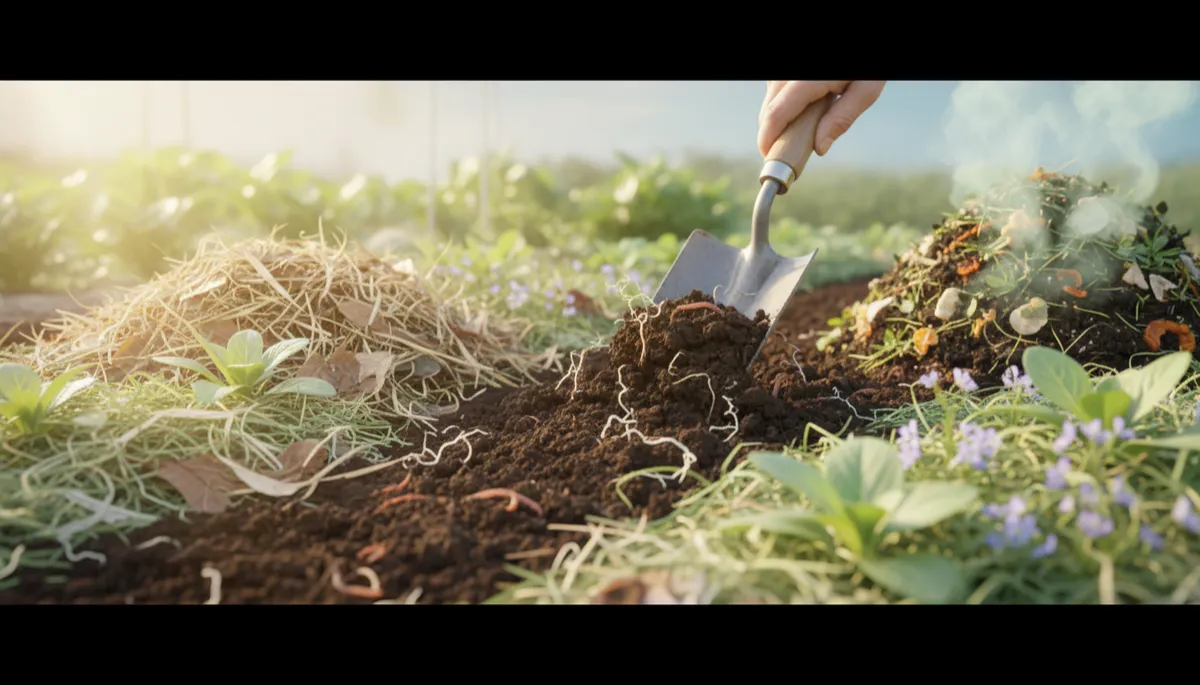
Trench composting: If your small garden has a bare bed, you can bury kitchen scraps directly in shallow trenches, letting the soil life break them down in place. It’s composting and soil building rolled into one quiet practice.
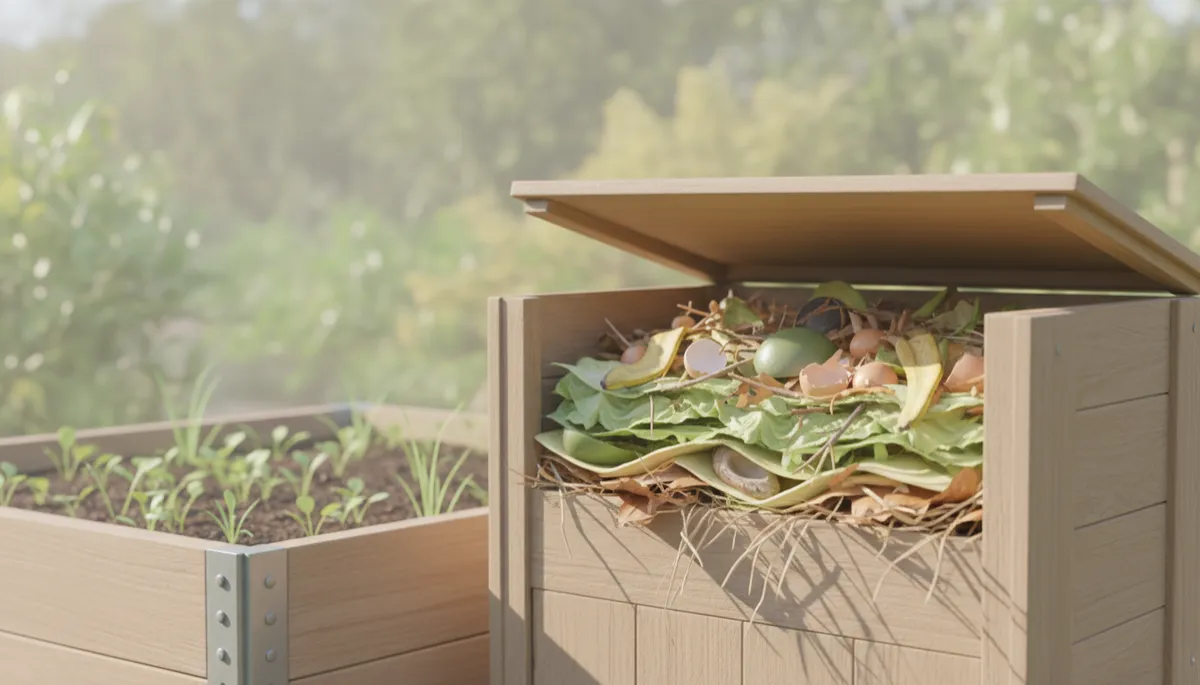
Even a modest compost bin can steadily transform daily scraps into rich, living soil food.
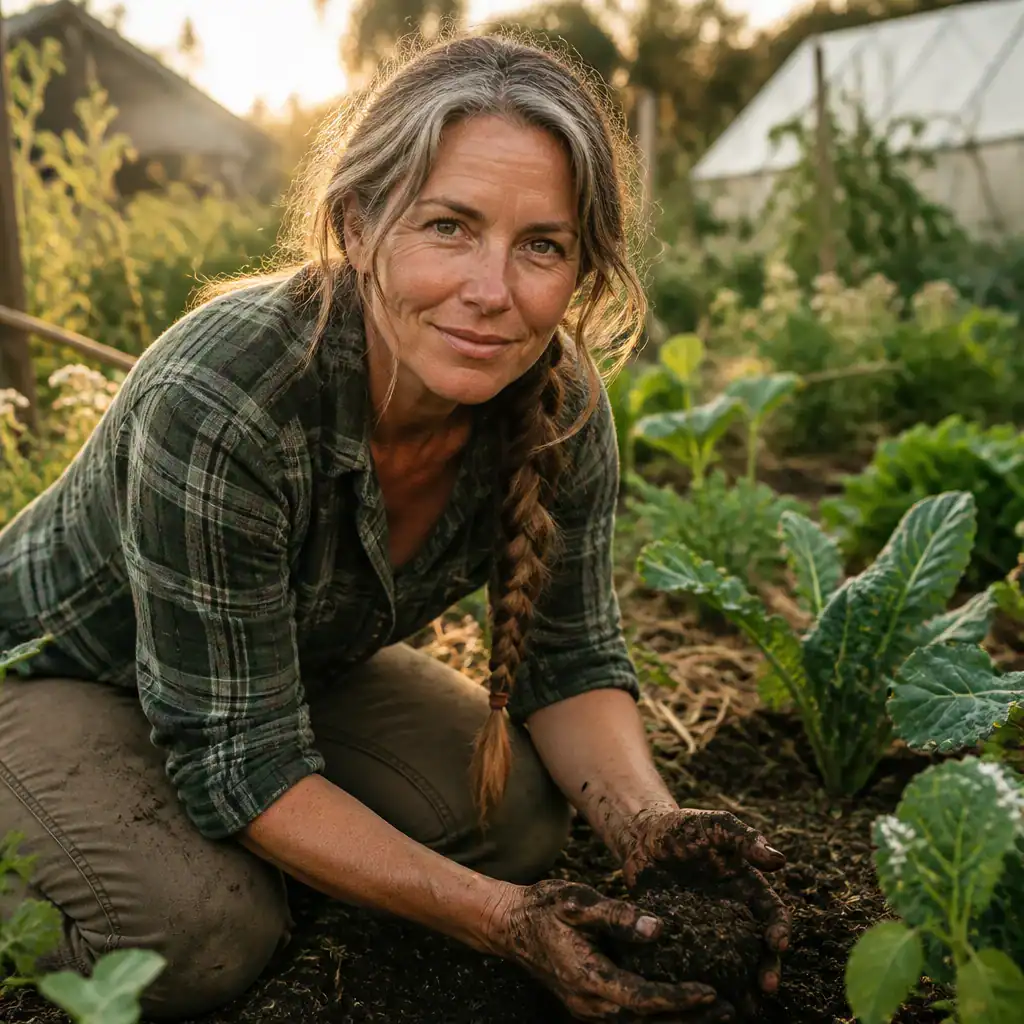
Week after week, Mia watched her bin of scraps shrink and darken. What began as a tangle of onion skins and tea bags slowly turned into something else entirely: crumbly, chocolate-brown compost that smelled like a walk through the forest after rain. When she spread the first handful over her once-tired soil, she felt like she was feeding a friend who had gone hungry for years.
💡 Story Pro Tip: Treat every banana peel or coffee filter as a future tomato, flower, or basil leaf. In a small garden, your compost becomes the quiet engine of abundance.
Mulching: A Cozy Blanket for Your Soil
The second turning point in Mia’s garden came the summer the heat arrived early. The sun baked the beds, and the soil cracked again, threatening to undo all the quiet work she’d done. Mrs. Alvarez appeared at the fence once more, this time holding a bundle of straw. “Your soil needs a blanket,” she said. That was Mia’s introduction to mulching.
Mulch is any layer of material spread on top of the soil. In a small garden, it does three magical things at once: keeps moisture from evaporating, shields soil life from harsh sun and pounding rain, and slowly breaks down to build soil fertility over time. It’s one of the simplest soil building tools you can use, and it turns even the tiniest bed into a more resilient ecosystem.
Straw or shredded leaves: Light, airy, and perfect for vegetable beds. They create a soft, pastel-colored carpet that looks as gentle as it feels under your fingers.
Compost as mulch: A thin layer of compost on top of your soil feeds plants from above and protects delicate roots below.
Grass clippings (dried first): In small lawns or shared spaces, dried clippings can become a quick, free mulch—just avoid thick, wet layers that can mat down.
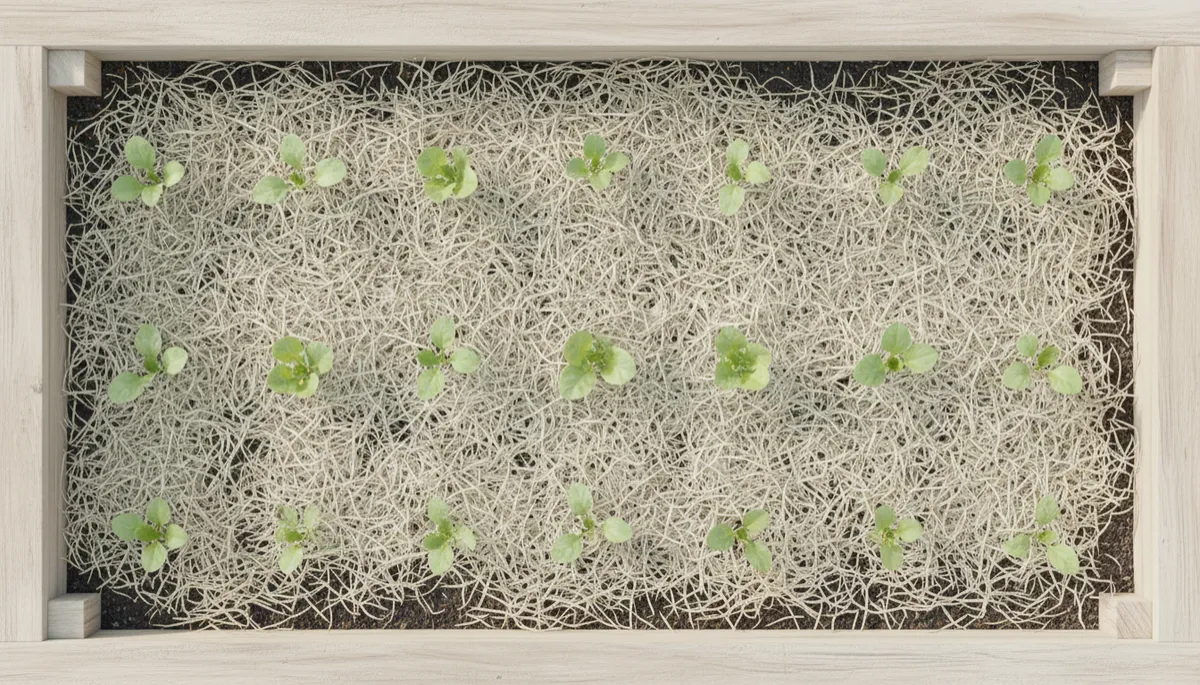
A simple layer of mulch keeps soil cool, moist, and steadily building fertility beneath the surface.
After Mia tucked her beds in with straw, something subtle changed. The soil stayed dark and damp, even on hot afternoons. Earthworms began to appear when she gently lifted the mulch. The plants, once hesitant, now grew with a quiet confidence, as if relieved to finally have stable, comfortable roots.
Building Soil Fertility Naturally in Tight Spaces
Over time, Mia realized that she didn’t need synthetic fertilizers to have a lush, productive garden. In fact, in her small space, they often did more harm than good, burning roots and disrupting the delicate life in the soil. Instead, she focused on building soil fertility naturally, layering gentle practices that worked together like chapters in a story.
Layering compost every season: A thin blanket of compost in spring and fall kept nutrients cycling without overwhelming the plants.
Planting nitrogen-fixing herbs and flowers: Clovers, peas, and certain cover crops quietly added nitrogen to the soil, while blossoms invited pollinators and beneficial insects.
Rotating crops, even in small beds: Tomatoes did not grow in the same spot year after year. Leafy greens followed fruiting crops, roots followed greens. This gentle rotation helped prevent nutrient depletion and disease build-up.
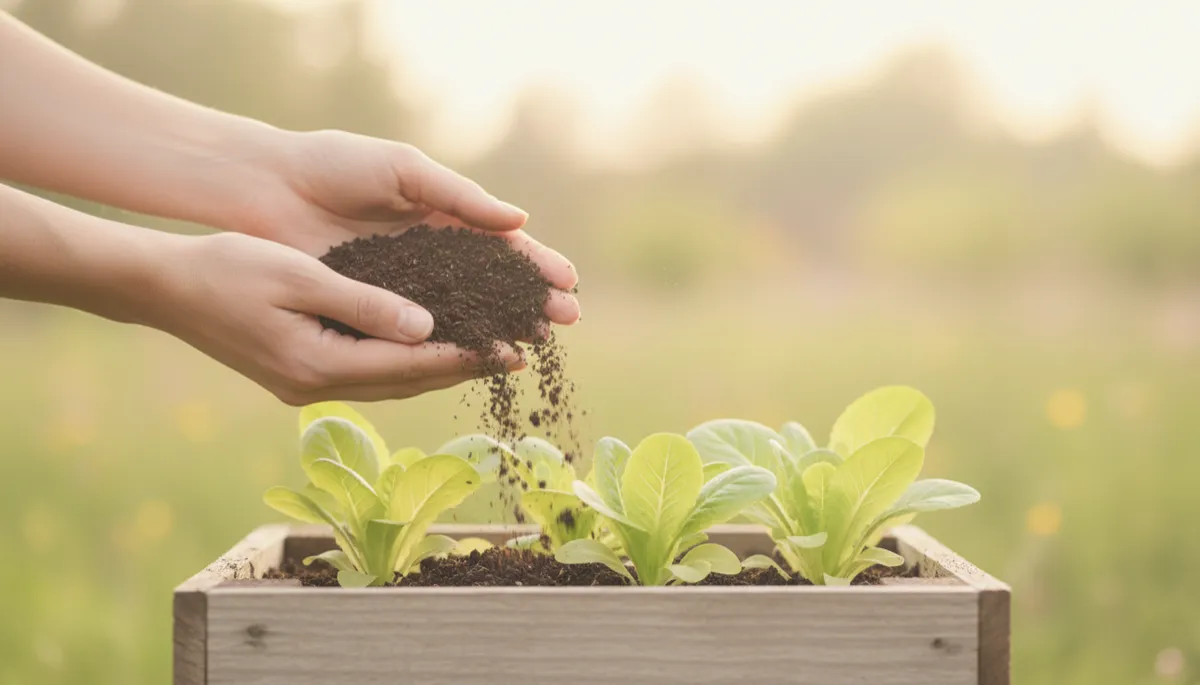
Regular, gentle compost top-ups nourish soil life and keep small gardens thriving year after year.
As the seasons passed, Mia’s once-compact soil became darker, softer, and more fragrant. She no longer worried about every yellowing leaf or curling stem. Instead, she watched the soil itselfhow easily a trowel slipped in, how quickly rain soaked down, how many worms wriggled beneath the surface. The garden had become a partnership between her and the living ground beneath her feet.
The Best Soil Building Practices, Woven into a Daily Ritual
If you were to peek over the fence on an ordinary morning now, you’d see a quiet rhythm to Mia’s gardening. A small bowl of kitchen scraps carried to the compost bin. A handful of finished compost sprinkled around a new seedling. A light fluffing of mulch where the soil shows through. None of it looks dramatic. Yet these are the very soil building practices that transformed a stubborn patch of dirt into a thriving, small garden.
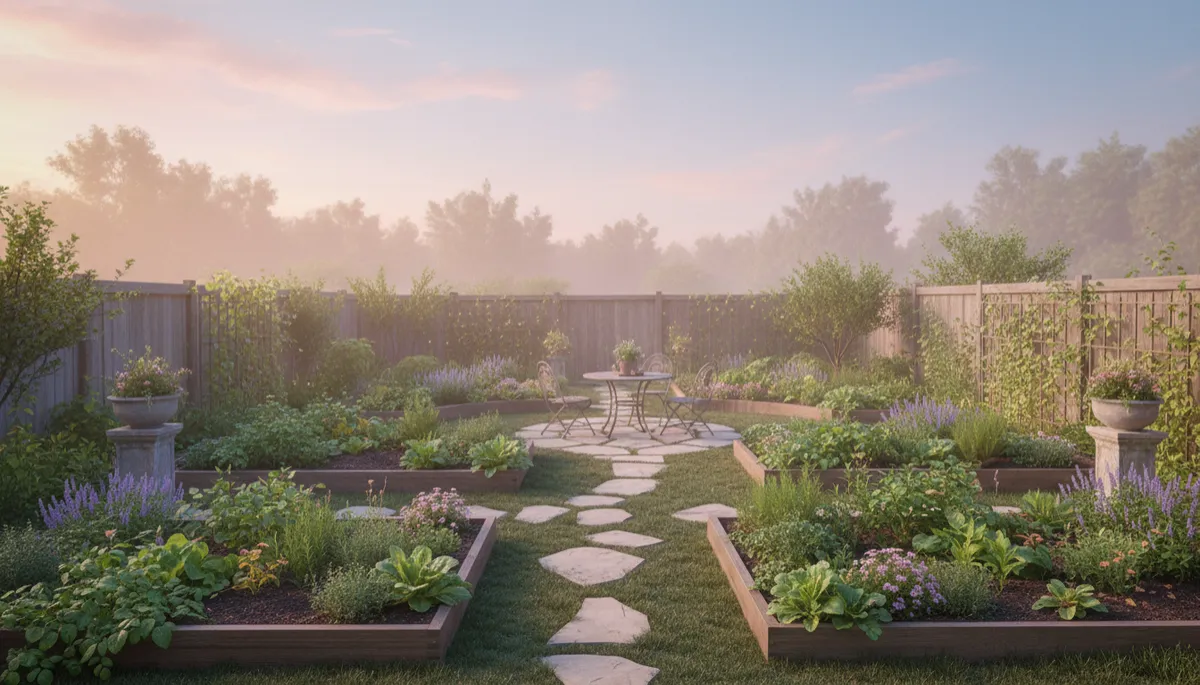
Healthy soil turns even the smallest backyard into a surprisingly abundant and peaceful retreat.
She composts what she can, using the Composting Techniques that fit her space and schedule.
She mulches generously, knowing that every straw and leaf is a future meal for her soil.
She builds soil fertility gently and naturally, trusting that living soil will take care of her plants in return.
Your Own Small Story of Soil
Your garden may be a single raised bed, a narrow strip along a fence, or a collection of containers on a balcony. It may look too small to matter. But every time you choose to build soil instead of simply filling pots, you’re writing a new story in that space—one where life accumulates, season after season, instead of being used up and thrown away.
Start with one simple act: save your scraps, spread a little compost, lay down a layer of mulch. Notice how the soil feels in your hands a month from now, and again next season. Watch how your plants respond, not overnight, but over time. The best soil building practices for small gardens are rarely flashy. They are quiet, steady, and deeply forgiving. And like any good story, they begin with a single, humble sentence—perhaps something like, “Today, I decided to grow soil.”