

Top Open-Source Apps for Biohacking Data
Biohacking, DIY Health Tracking, Open-Source Tools
Best Open-Source Apps for Logging DIY Biohacking Data
If you love experimenting with your own biology - tweaking sleep, nutrition, workouts, or supplements - you’ve probably hit the same wall many DIY biohackers do: tracking everything in a way that’s flexible, private, and actually useful. That’s where open-source apps for biohacking data really shine. They give you control over your DIY health tracking apps, let you customize what you log, and often plug into the broader world of citizen science logging tools.
Why Open-Source for DIY Health Tracking?
Most mainstream wellness apps are polished, but they’re also opinionated: they decide what you can track, how your data is visualized, and sometimes how it’s monetized. With DIY health tracking apps built on open-source projects, you get something different: transparency, flexibility, and often a passionate community of tinkerers who care about data-driven self-experiments as much as you do.
Open-source apps for biohacking data let you:
See and control your data instead of trusting a black box in the cloud.
Customize what you log - from ketone readings to meditation minutes to cold showers.
Connect with citizen science projects and share anonymized data if you choose.
💡 Friendly Tip: Before you commit to any tool, ask yourself: “Can I easily export my data if I ever want to leave?” With open-source, the answer is almost always yes.
1. Open Humans: A Hub for Citizen Science Logging
If you’re curious about contributing to research while still staying in control, Open Humans is a fantastic starting point. It’s not a traditional “track-your-steps” app; it’s more like a personal data vault and sharing hub that plays nicely with other citizen science logging tools.
You can connect data from wearables, sleep trackers, genetic tests, and even your own spreadsheets. Then, you decide which research projects, often run by universities or community scientists, can access parts of that data. It’s ideal if your DIY biohacking experiments might one day help others, too.
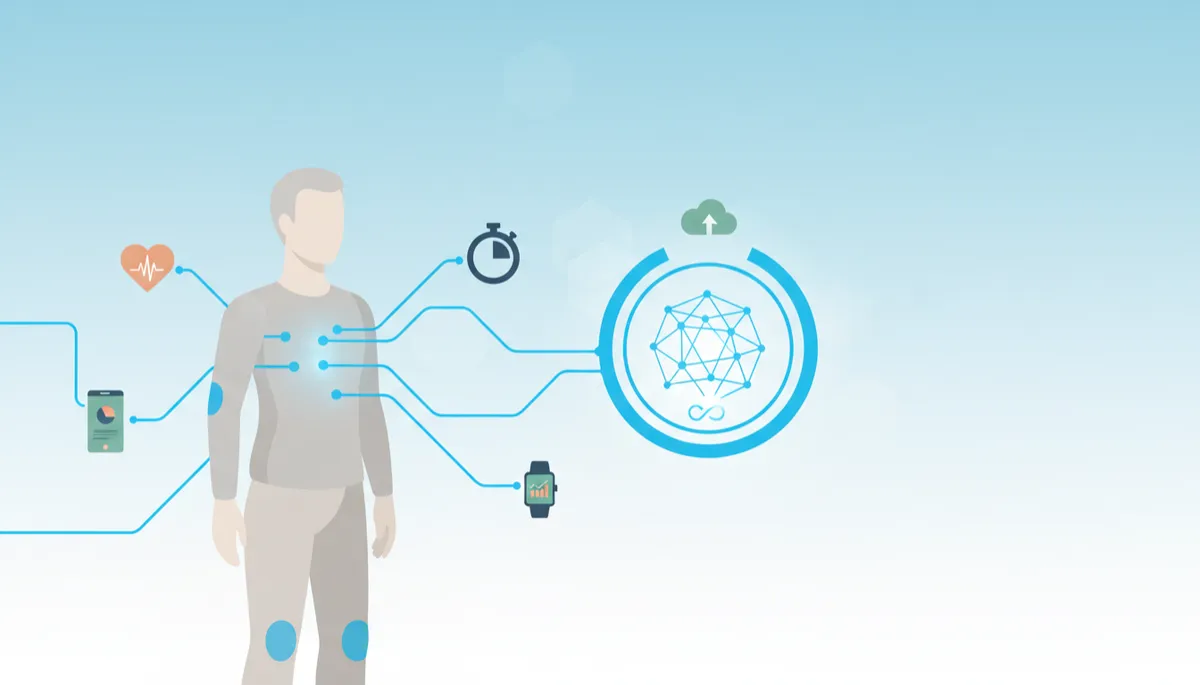
Centralizing your data makes it easier to spot patterns across devices and habits.
Why it’s great for DIY biohackers
Open-source and community-driven, with active involvement from self-trackers and researchers.
Lets you aggregate data from many sources into one place you control.
Makes sharing data with specific projects opt-in and transparent.
2. Quantified Self-Inspired: Open mHealth & DIY Dashboards
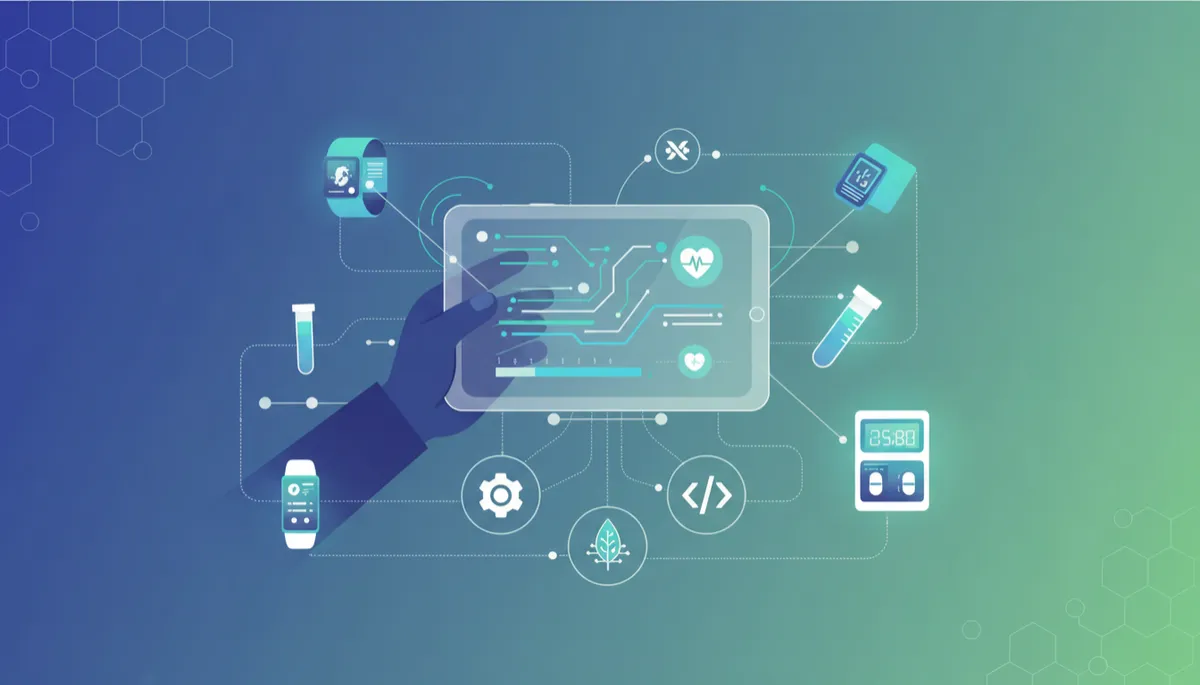
If you’ve ever attended a Quantified Self meetup or browsed their forums, you know the community loves flexible, hackable tools. Open mHealth is an open standard and ecosystem that many DIY health tracking apps build on. While it’s more of a toolkit than a single app, it powers dashboards and integrations that let you combine step counts, heart rate, sleep, and custom metrics into one clear view.
For a motivated biohacker, these components can become your own personal control center. You can plug in data from wearables, manually log things like caffeine intake or mood, and then visualize it all in a way that supports your experiments, not someone else’s marketing.
💡 Friendly Tip: Start by choosing just two or three metrics that matter most to your current experiment—like deep sleep, HRV, and caffeine. You can always add more later once you’re comfortable with your dashboard.
3. Open-Source Habit and Mood Trackers: Simple but Powerful
Not every experiment needs lab-grade data. Sometimes, the most revealing information is whether you actually followed through on your new habit and how you felt afterward. That’s where lightweight open-source habit and mood trackers come in. They might not market themselves as open-source apps for biohacking data, but they’re perfect building blocks for your self-experiments.
Many of these apps let you create custom fields like “cold shower,” “fasting window,” or “focus level,” then export the data as CSV files. From there, you can merge them with more quantitative metrics like sleep duration or glucose readings. It’s a friendly, low-pressure way to start logging without feeling like you’re running a clinical trial on yourself.
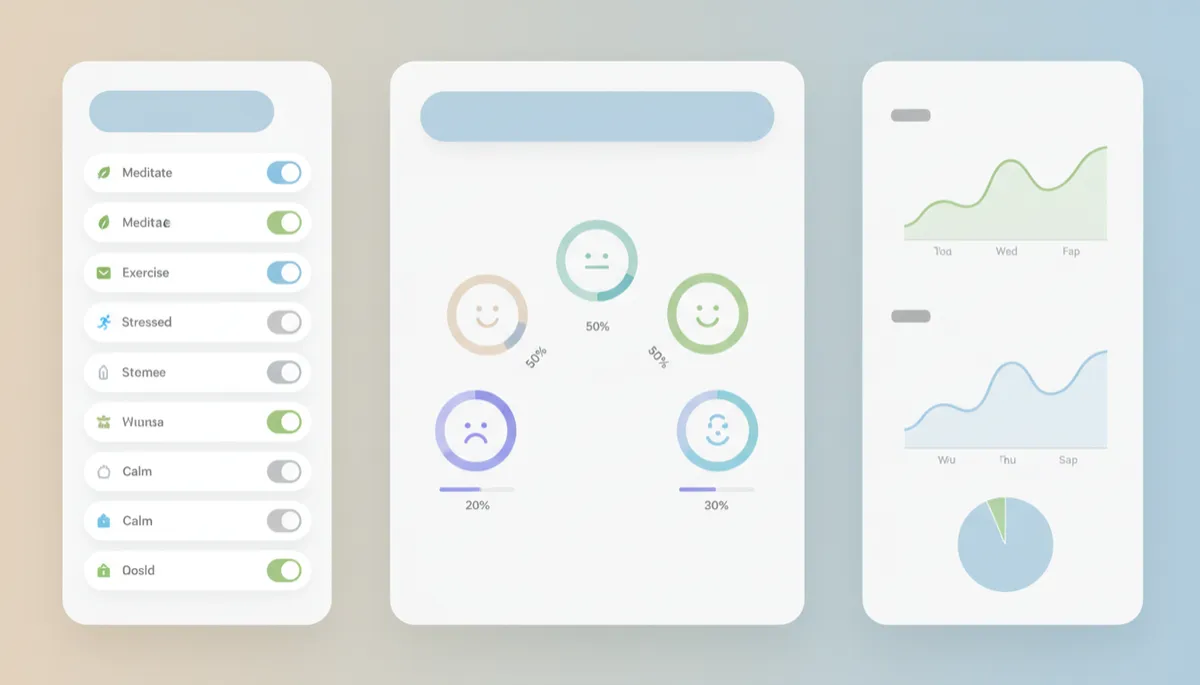
Even simple habit logs can reveal surprising links to your energy and mood.
What to look for in a good open-source habit tracker
Customizable fields so you can track exactly what matters for your biohack.
Easy data export in common formats like CSV or JSON.
A clear, distraction-free interface you’ll actually enjoy using every day.
4. Food, Sleep, and Biomarker Logging with Open-Source Tools
Many biohacking experiments revolve around the “big three”: what you eat, how you sleep, and key biomarkers like glucose or ketones. While there are countless commercial apps for these, open-source options give you more freedom to mix and match data sources and create your own insights.
For food, look for open-source nutrition trackers that let you build your own food database and export logs. For sleep, some community-built apps and integrations pull data from devices like Oura or open protocols from other wearables. And for biomarkers, you can use simple logging apps,, or even spreadsheets synced through open-source platforms, to track finger-prick tests, breath ketone readings, or CGM exports.
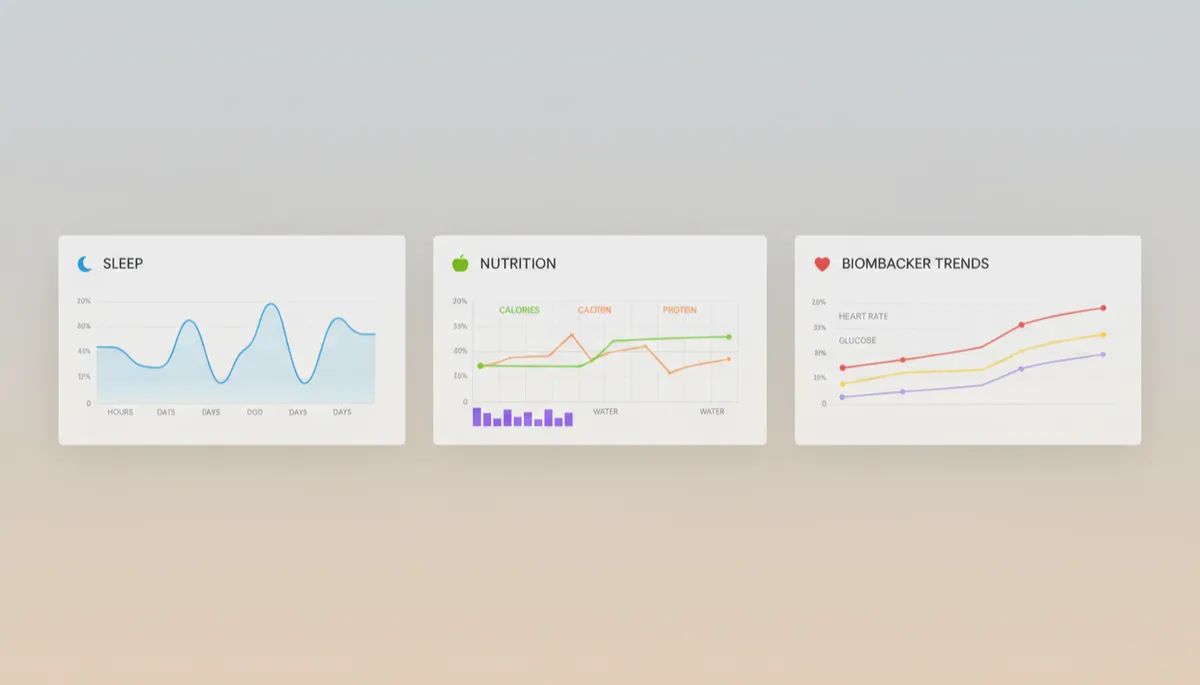
Seeing sleep, food, and biomarkers together helps connect daily choices to outcomes.
Making your data truly useful
Align your logging schedule with your experiment’s rhythm, daily, weekly, or per meal.
Add context notes like “travel day” or “new supplement” so patterns make sense later.
Periodically review charts instead of just collecting data for data’s sake.
5. How Citizen Science Logging Tools Fit In
One of the most exciting parts of using open-source apps for biohacking data is the chance to be part of something bigger. Citizen science logging tools let everyday people contribute to research on sleep, metabolism, mental health, and more, simply by sharing data they’re already collecting for their own experiments.
Many of these platforms are open-source or built on open standards, which means you can inspect how your data is handled and decide exactly what to share. Some projects invite you to run specific protocols, like changing your bedtime or adjusting your diet, while others simply pool long-term tracking data to look for broad trends.
💡 Friendly Tip: If you choose to join a citizen science project, keep a personal copy of your data too. That way, you benefit from both your own insights and the collective findings.
Choosing the Right DIY Health Tracking Apps for You
With so many options, it’s easy to feel overwhelmed. The good news is that you don’t need a perfect setup from day one. Start small, then layer in more tools as your curiosity grows. Here are a few friendly guidelines to help you decide which DIY health tracking apps and platforms to try first:
Begin with your current experiment. Are you focusing on sleep, focus, energy, or body composition? Pick tools that track those specific outcomes and inputs.
Favor tools with easy export. Even if you don’t analyze data today, future you might be very grateful for a tidy CSV file.
Check the community. Open-source projects with active forums or chats make it easier to get help, share ideas, and stay motivated.
Bringing It All Together: Your Personal Biohacking Stack
In practice, most DIY biohackers end up with a small “stack” of tools that work together. You might use:
A wearable or device for automatic data (steps, heart rate, sleep).
An open-source habit or mood tracker for subjective experiences.
A central open-source dashboard or data hub to visualize trends.
Optionally, a citizen science platform where you can contribute anonymized data.
The beauty of open-source is that you’re not locked into any single vendor’s vision of health. You can switch components, try new apps, or even host your own data if you’re feeling adventurous. And throughout it all, you stay in the driver’s seat of your own experiments.
Final Thoughts: Friendly Advice for Data-Driven Biohackers
Logging your life can be incredibly empowering, but it can also become overwhelming if you try to track everything at once. Open-source apps for biohacking data give you the freedom to experiment, but they also invite you to be intentional. Start with one clear question, pick a few simple tools, and give yourself time to learn from the patterns that emerge.
Whether you’re building a full-blown dashboard or just dipping your toes into DIY health tracking apps, remember that the goal isn’t perfect data, it’s better decisions and a deeper understanding of your own body. With the right open-source tools and a bit of curiosity, you can turn everyday life into a gentle, ongoing experiment that supports your health, your goals, and maybe even the broader world of citizen science.