


Top DIY Biohacking Kits for High School Projects
Science Projects, DIY Biohacking, Education
Best DIY Biohacking Kits for US High School Science Projects
Curious about genetics, glowing bacteria, or testing your local environment—without needing a full-blown lab? DIY Biohacking kits are making it easier than ever for US high school students to turn their curiosity into real experiments, right at home or in the classroom. This guide walks you through the best DIY biohacking kits for US high school science projects, how to choose the right one, and how to stay safe while you explore the living world around you.
What Is DIY Biohacking (and Why Is It Perfect for Teens)?
DIY Biohacking is all about using simple, accessible tools to explore biology outside of traditional research labs. Think of it as hands-on biology for everyone, tinkerers, budding scientists, and curious American student biohacking enthusiasts who want to do more than just read about cells and DNA in a textbook.
For US high school students, DIY biohacking kits are a friendly gateway into microbiology, genetics, and environmental science. They’re designed to be used on a kitchen table, in a school lab, or at a science fair, with clear instructions and safety in mind. Many of these kits are also part of a larger movement of citizen science projects USA communities, where everyday people collect data, share results, and contribute to real research.
💡 Friendly Tip: If you’ve ever wanted to grow glowing bacteria, test your tap water, or see your own cheek cells under a microscope, DIY biohacking kits can help you do it safely and affordably.
What to Look For in DIY Biohacking Kits for US High School Students
Not all kits are created equal, especially when you’re planning a graded science project or a science fair entry. When comparing DIY biohacking kits US high school students can use, keep these factors in mind:
Safety first: Look for kits that clearly state they use non-pathogenic, educational strains and include gloves, goggles, and disposal instructions.
Age-appropriate complexity: Beginners might prefer simple staining or glowing bacteria kits, while advanced students may want DNA extraction or genetic engineering projects.
Clear instructions: Friendly, step-by-step guides are essential, especially if your teacher or parent is new to biohacking too.
Science fair–ready: Good kits suggest experiment variations, data you can track, and questions you can turn into a full project.
Support and community: Bonus points for kits that link to online forums, videos, or citizen science projects USA networks where you can share results.
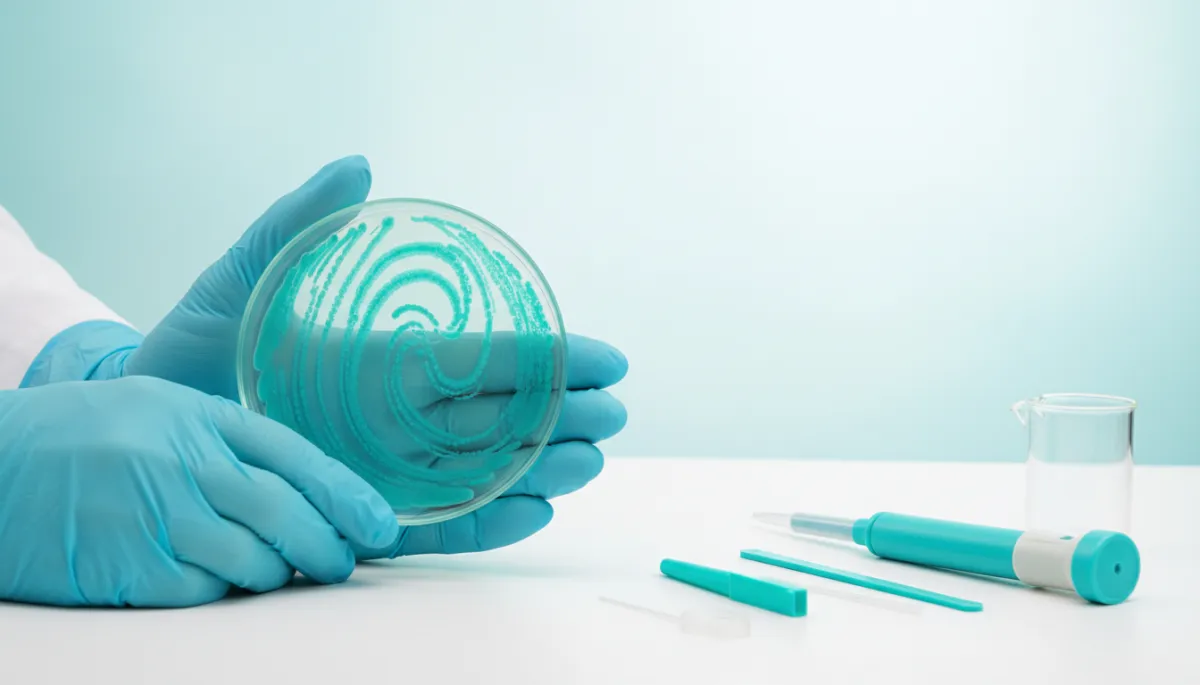
Simple culture kits help students visualize invisible microbes in everyday life.
1. Glow-in-the-Dark Bacteria Kits: Instant “Wow” Factor
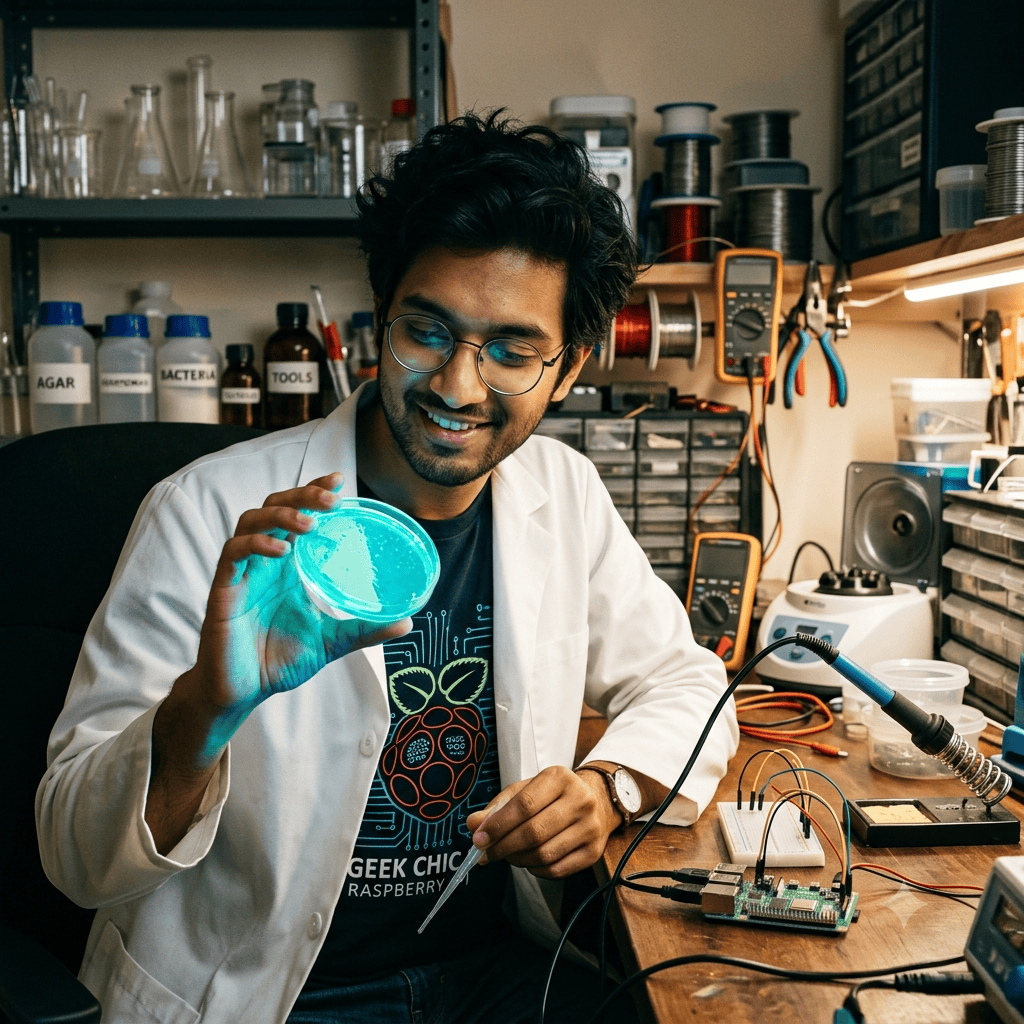
One of the most popular options for American student biohacking beginners is the glow-in-the-dark bacteria kit. These sets usually include harmless bacteria engineered to produce a green or blue glow under specific conditions. With a small incubator or a warm spot at home, you can streak plates, add nutrients, and watch your designs appear as glowing patterns overnight.
These kits are great for:
Learning sterile technique and basic microbiology skills
Designing experiments on how temperature, nutrients, or time affect growth and brightness
Creating eye-catching science fair displays that draw in judges and classmates
💡 Project idea: Test how different household surfaces (phone screens, door handles, keyboards) transfer microbes by pressing them onto plates, then compare colony patterns.
2. DNA Extraction and Genetics Kits: See Your Code
If you’ve ever wondered what DNA actually looks like, DNA extraction kits are a perfect next step. Many DIY biohacking kits aimed at US high school students walk you through pulling DNA from strawberries, bananas, or even your own cheek cells using safe household chemicals and simple tools like test tubes and filters.
More advanced genetics kits may include:
Pipettes and buffers for more precise experiments
Safe bacterial strains you can transform with new DNA to change color or behavior
Guides on basic genetic engineering concepts, like promoters and plasmids, written in student-friendly language
These kits are ideal for students considering AP Biology or future majors in biotechnology, genetics, or medicine. They can easily be turned into full science fair projects by testing how different temperatures, extraction times, or sample types affect DNA yield.
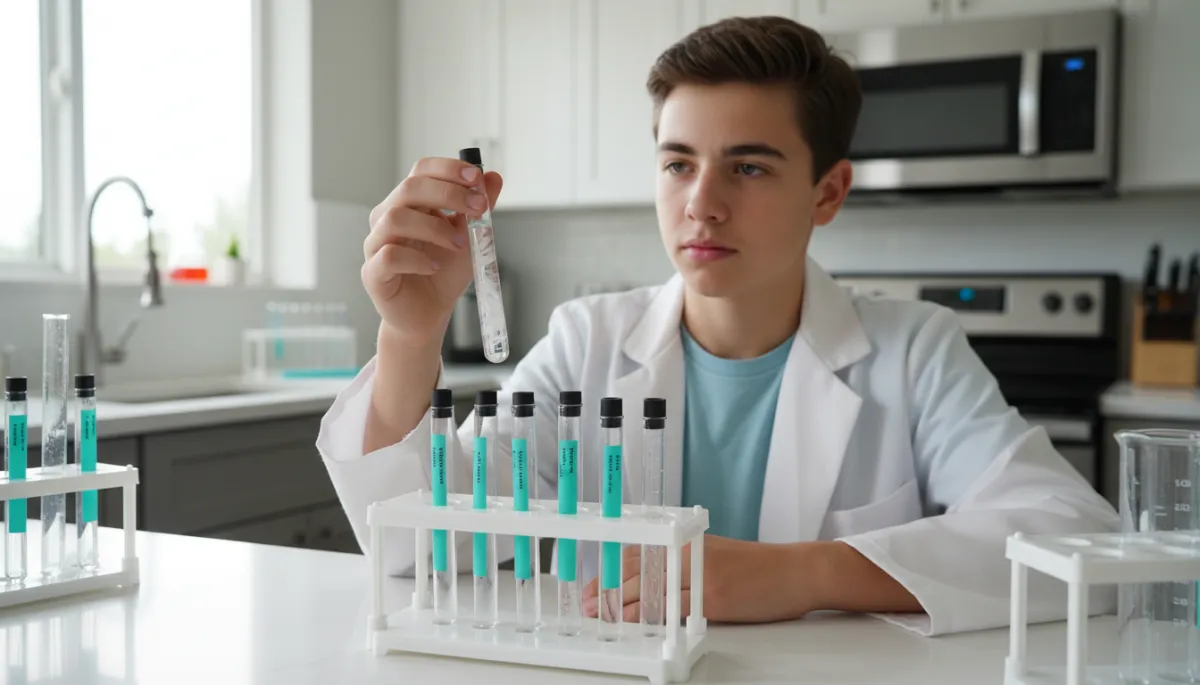
DNA extraction kits let students literally see the molecules behind heredity.
3. Environmental Testing Kits: Join Citizen Science Projects USA
Not every biohacking project has to happen in a petri dish. Many American student biohacking fans are drawn to environmental testing kits that connect directly with their neighborhoods. These kits may include tools to measure water quality, soil pH, air particulates, or microbial life in local ponds and streams.
The best part? A lot of these kits plug into larger citizen science projects USA platforms. That means you can upload your data to national or global databases where real scientists analyze trends in pollution, biodiversity, or climate change. Your high school project can contribute to something much bigger than a grade.
Compare tap water versus bottled or filtered water quality in your town.
Track how soil pH changes between school grounds, parks, and gardens.
Measure microbial diversity in different water sources and relate it to local land use.
💡 Friendly Tip: When you connect your kit to online platforms, be sure to record dates, locations, and conditions carefully—good data notes make your project look truly professional.
4. At-Home Microscopy and Cell Kits: A Closer Look at Life
A good beginner’s microscope paired with a cell exploration kit can unlock a hidden universe. Many DIY biohacking kits bundle simple staining reagents, prepared slides, and blank slides so you can examine onion cells, plant tissues, pond water, or your own cheek cells. Fresh aqua–accented microscopes and tools are becoming popular, combining style with function for home labs that feel modern and inviting.
These kits teach:
Proper slide preparation and staining techniques
How magnification and resolution work in real life, not just in diagrams
How to document observations using sketches, photos, and labeled diagrams for your science project board
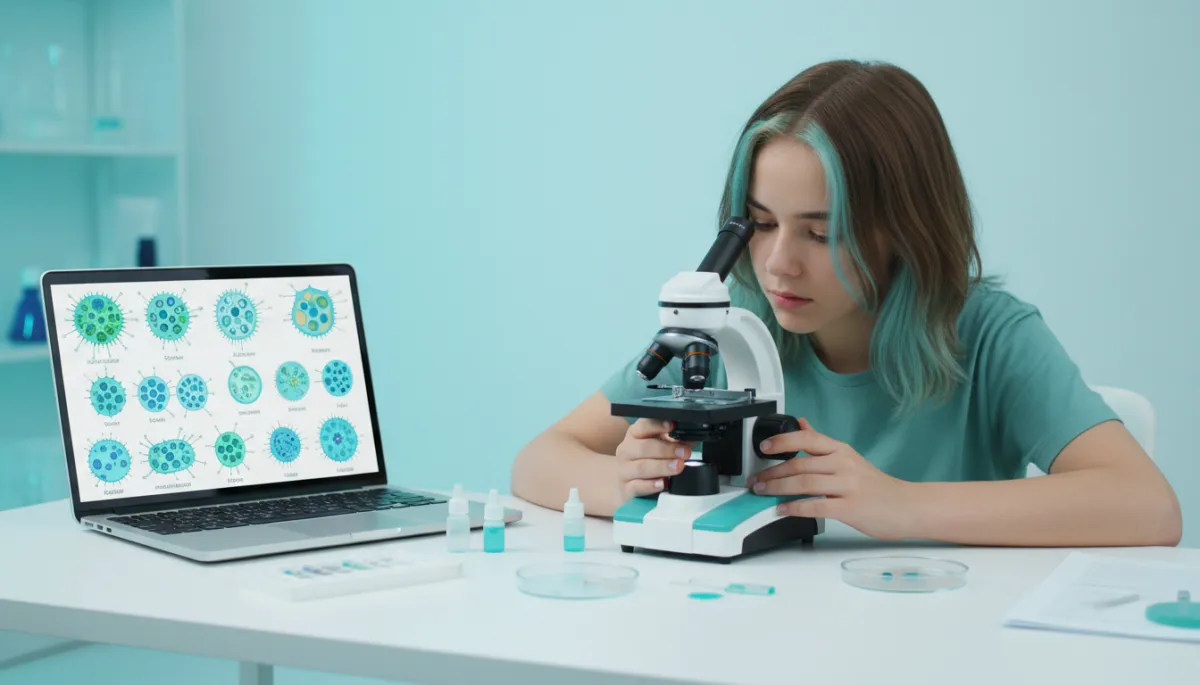
Microscopy kits turn everyday water, plants, and cells into stunning discoveries.
Safety and Ethics: Non-Negotiables for Young Biohackers
Any time you’re working with living organisms, even harmless ones, safety and ethics matter. Responsible DIY Biohacking means following clear rules so your experiments are safe for you, your family, and the environment. Reputable DIY biohacking kits for US high school students will:
Use non-pathogenic strains approved for education
Provide instructions for handling spills and proper disposal of cultures and chemicals
Encourage adult supervision for younger students or more advanced experiments
Ethically, it’s important to respect local rules and school policies. Always check with your teacher or science fair guidelines before bringing live cultures or chemicals to campus. When in doubt, bring photos, data, and prepared slides instead of full experiments.
From Kits to Community: The Spirit of homegrownfutures
One of the most exciting parts of American student biohacking is the sense of community. Across the country, teens, parents, and teachers are building what many call homegrownfutures—a future where scientific curiosity starts at home, in garages, kitchens, and school clubs, not just in big institutions.
By starting with a simple kit, you’re joining a growing wave of citizen scientists who believe science should be open, hands-on, and creative. You might:
Share your results on forums or social media using project hashtags.
Collaborate with classmates to compare data from different neighborhoods or states.
Inspire younger students at your school by presenting your kit-based project and explaining how they can get started too.
Choosing Your First Kit: A Quick Friendly Checklist
To wrap things up, here’s a simple checklist to help you pick the best DIY biohacking kit for your next US high school science project:
What excites you most? Glowing bacteria, DNA, cells, or the environment? Start there.
How much time do you have? Some kits show results overnight; others need several weeks of data.
Do you have adult support? Make sure a parent, guardian, or teacher is on board, especially for more advanced kits.
Is it science fair–friendly? Look for kits that suggest variables to test and ways to collect measurable data.
Does it connect to a bigger mission? Kits linked to citizen science projects USA or local environmental efforts can make your work feel more meaningful.
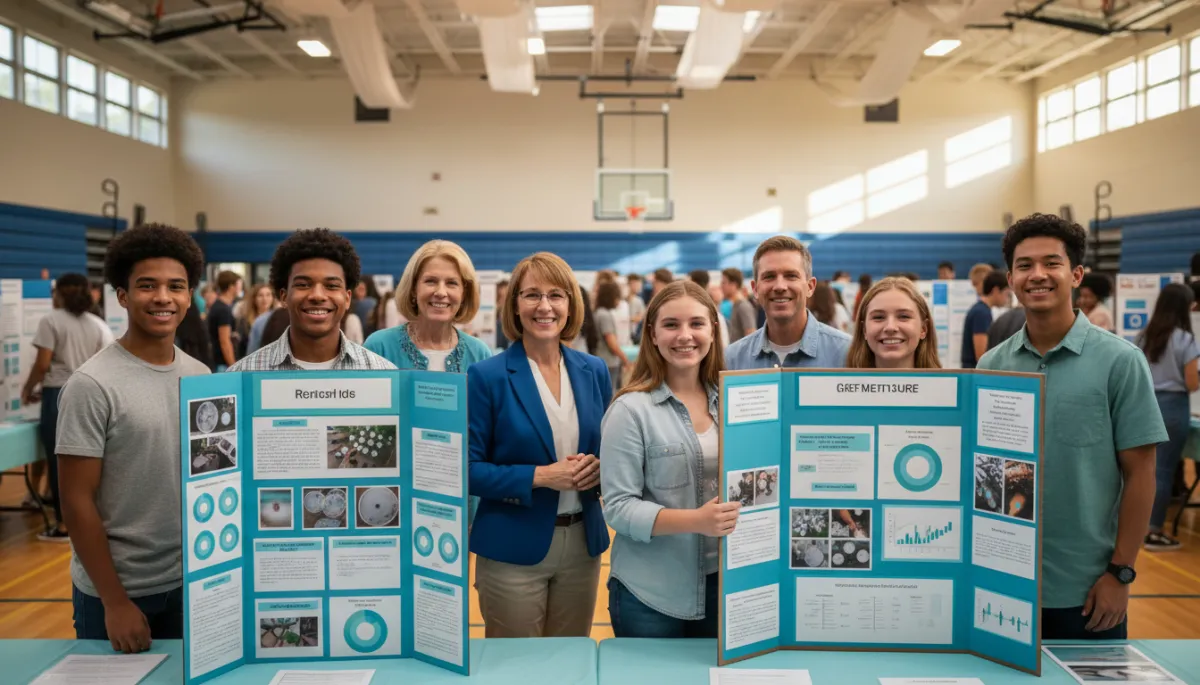
Well-chosen DIY kits can grow into impressive, award-winning science fair projects.
Final Thoughts: Your Biohacking Journey Starts Now
The best DIY biohacking kits for US high school science projects are more than just boxes of supplies—they’re invitations to explore, question, and create. Whether you’re streaking glowing bacteria, extracting DNA, scanning pond water under a microscope, or collecting environmental data for citizen science, you’re taking real steps into the world of modern biology.
So pick a kit that excites you, invite a friend or sibling to join in, and start building your own piece of homegrownfutures. With curiosity, care, and a little fresh aqua, colored lab gear, your next science project could be the beginning of a lifelong passion for discovery.