

Beginner's Guide to Indoor Plant Care
Home, Indoor Plants, Beginner Houseplants
How to Become a Plant Parent: A Beginner’s Guide to Indoor Plant Care
The journey to becoming a plant parent rarely starts with perfection. It usually begins with one hopeful little pot on a windowsill, a splash of green against a busy life, and the quiet question: “Can I really keep this alive?”
The First Leaf: How My Plant Journey Began
On a rainy Saturday, I walked into a tiny plant shop with zero knowledge and one simple goal: make my apartment feel less like a shoebox and more like a home. The owner, an older woman with soil under her fingernails and the calmest smile I had ever seen, placed a small snake plant in my hands. “This one forgives,” she said. “Perfect for a beginner.”
That forgiving little plant became my first teacher. Through it, I learned that how to become a plant parent isn’t about having a “green thumb.” It’s about paying attention, asking questions, and letting yourself learn slowly, one leaf at a time. If you’re standing at the beginning of your own indoor jungle story, wondering where to start, this guide is for you.
Step One: See Your Home Through a Plant’s Eyes
Before you rush out and buy every leafy beauty on Instagram, pause for a moment. Indoor plant care for beginners starts with observation, not shopping. Walk through your home the way a plant would “experience” it. Where does the light fall in the morning? Which windows stay bright all day, and which corners feel like cozy caves? Is the air dry, cooled by air conditioning, or warm and humid from long showers and simmering pots in the kitchen?
Plants don’t just live in your space; they respond to it. A south-facing window might be a sun lover’s paradise, while a dim hallway could be the perfect retreat for a hardy snake plant. When you understand your home’s light and climate, you’re not just decorating. You’re choosing roommates who will actually thrive beside you.
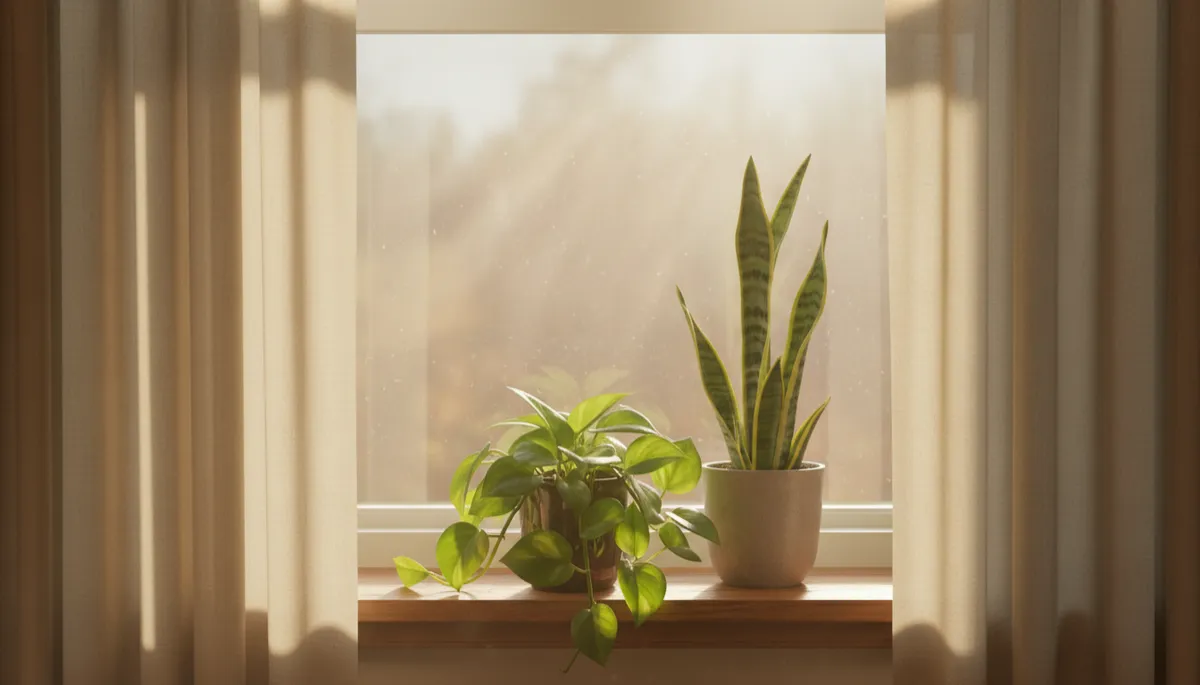
Learning how light moves through your home is the first step to happy plants.
Choosing Your First Green Companions: Beginner Houseplants That Love Beginners Back
When you’re just starting out, the plants you choose matter more than you might think. Some are divas, demanding misting schedules and exact light angles. Others are more like that easygoing friend who’s just happy to be invited over. As you explore beginner houseplants, look for varieties that are known for being forgiving, adaptable, and patient with your learning curve.
Snake Plant (Sansevieria): The plant that started it all for me. It tolerates low light, forgetful watering, and still stands tall, like a quiet guardian in the corner of your room.
Pothos: Think of pothos as the friendly extrovert of the plant world. It trails, climbs, and grows quickly, forgiving the occasional missed watering while rewarding you with lush vines.
ZZ Plant: Almost impossible to upset, the ZZ plant stores water in its thick roots, making it ideal for busy or forgetful plant parents who travel or work long hours.
Spider Plant: Cheerful, arching leaves and little “baby” offshoots make this plant feel like it’s celebrating your efforts, even when you’re still figuring things out.
Starting with just one or two of these beginner houseplants lets you focus on learning rather than juggling a jungle. Over time, as you gain confidence, you can invite more “guests” into your growing green family.
Water, Light, and Patience: The Heart of Indoor Plant Care for Beginners
The first time I overwatered a plant, I did it with the best intentions. I thought love meant more, more water, more attention, more everything. A week later, my plant’s leaves turned yellow, and the soil felt like a swamp. It was a hard-earned lesson: in indoor plant care for beginners, restraint is often more powerful than excess.
💡 Gentle Plant Parent Tip: Before you water, stick your finger about an inch into the soil. If it feels dry at that depth, it’s time for a drink. If it’s still damp, wait a few days and check again.
Light works the same way. Most beginner houseplants prefer bright, indirect light—think of the soft glow a few feet away from a window, rather than harsh midday sun right up against the glass. If your plant’s leaves are scorching or fading, it might be asking for a gentler spot. If it’s stretching, leaning dramatically toward the window, it’s quietly telling you it wants more light.
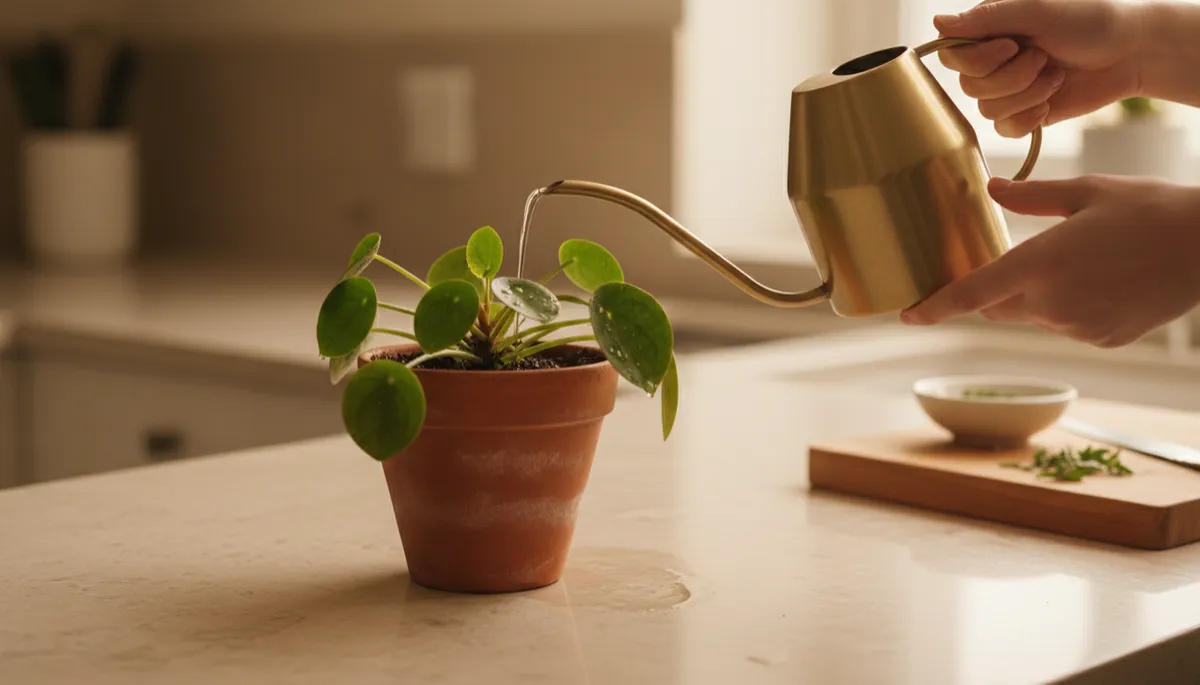
Thoughtful watering and observation turn routines into rituals of care.
Listening to Leaves: Simple Plant Parent Tips That Change Everything
Plants may be quiet, but they are always communicating. Learning to “listen” is one of the most powerful plant parent tips you’ll ever receive. A drooping pothos might be thirsty. Crispy brown edges can signal too much sun or too little humidity. Mushy stems often whisper, “Too much water.” As you spend time with your plants, you’ll begin to recognize these subtle signals almost like expressions on a familiar face.
Name your plants: It sounds silly, but giving them names makes you more likely to notice when “Luna the pothos” looks a little off today.
Create a mini check-in ritual: Once a week, walk around your home with a cup of coffee or tea and simply look at each plant. Feel the soil, rotate the pots, wipe dust from leaves. These small moments add up to healthier plants and a calmer mind.
Embrace imperfection: A yellow leaf doesn’t mean you’ve failed. It means you’re learning. Snip it off, adjust your care, and move forward together.
Setting Up Your Space: Tools and Tiny Rituals for New Plant Parents
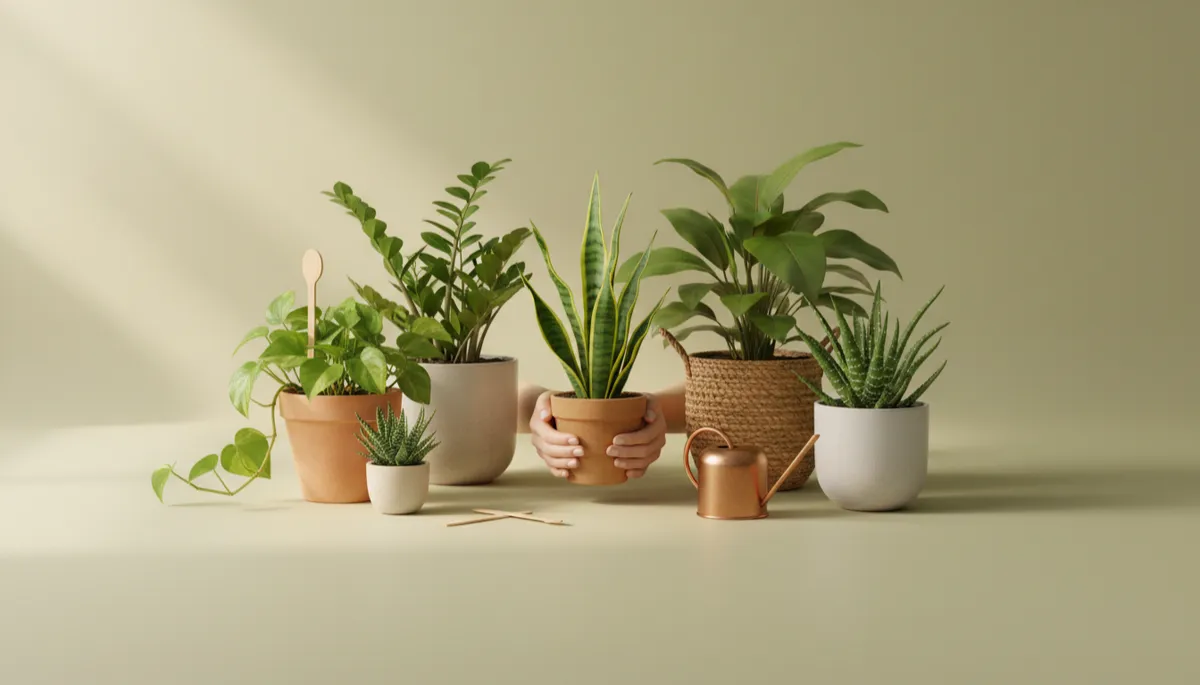
When you ask how to become a plant parent, the answer isn’t “Buy every gadget on the internet.” You don’t need a greenhouse or a shelf full of specialized tools. A few simple items and a handful of habits will carry you far:
Good pots with drainage holes: Think of these as your plants’ shoes. They need room to breathe, and water needs a way out.
Quality potting mix: Regular garden soil is too heavy for most indoor plants. A light, airy potting mix keeps roots happy and healthy.
A watering can with a narrow spout: This makes it easier to water the soil directly without splashing leaves or overflowing pots.
Soft cloth or duster: Dust on leaves can block light. Gently wiping them becomes a small act of care—and a surprisingly soothing one.
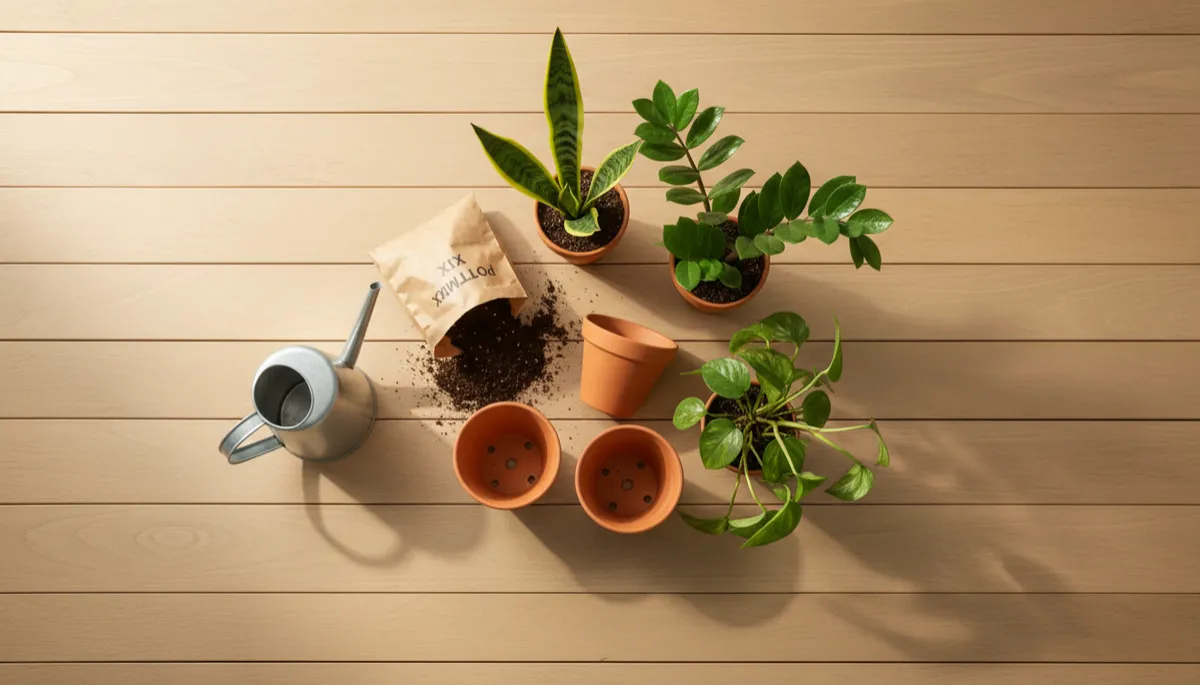
A few simple tools are enough to begin your indoor plant care journey.
Growing Together: From One Plant to a Green Sanctuary
Weeks after I brought home that first snake plant, something quiet but profound shifted in my apartment. I found myself opening the curtains a little earlier, just to let in more light. I noticed the way the afternoon sun painted soft patterns on the floor. I paused between emails to check the soil, to admire a new leaf unfurling. Without realizing it, I wasn’t just learning indoor plant care for beginners, I was learning to slow down and pay attention to life in its smallest, greenest forms.
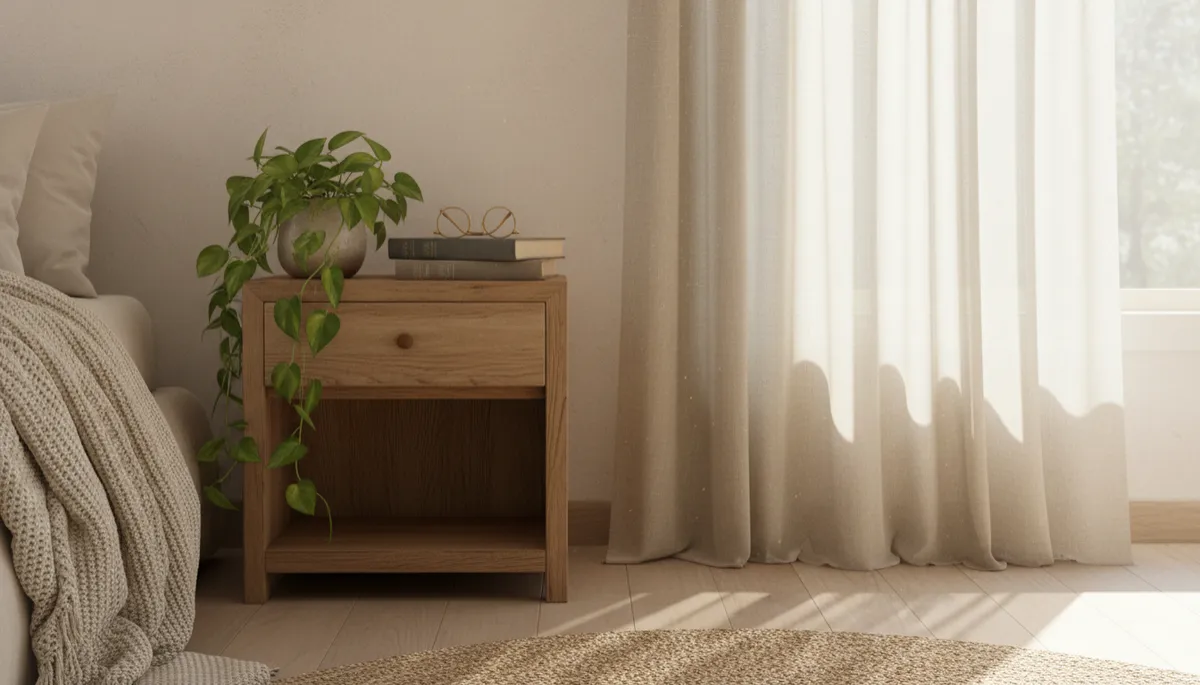
Over time, a few plants can transform quiet corners into living sanctuaries.
That’s the hidden gift of becoming a plant parent. You start with soil and leaves, but you end up with something much richer: a daily relationship with growth, patience, and gentle responsibility. Your plants won’t demand perfection. They’ll simply ask you to show up, to learn from your mistakes, and to keep trying.
Your First Step into Plant Parenthood
So, how do you become a plant parent? You begin exactly where you are. Look around your home. Notice the light. Choose one or two beginner houseplants that match your space and your lifestyle. Bring them home, give them names, and commit to spending a few quiet minutes with them each week. Let your journey into indoor plant care for beginners be less about doing everything right and more about building a small, steady habit of care.
One day, you’ll look up and realize your home feels different. The air is a little softer. The corners are a little greener. And you, without fanfare or ceremony, have become what you once doubted you could be: a confident, attentive plant parent, growing right alongside your plants, one leaf, one lesson, one gentle moment at a time.