

Are Solar Panels Worth It in the U.S. in 2026?
Home Energy, Solar Power, Personal Finance
Are Home Solar Panels Worth It in the U.S. Right Now?
Thinking about putting solar panels on your roof, but not sure if it’s really worth it in 2026? You’re not alone. With system prices, incentives, and electric rates all changing, it can be tough to tell if going solar is a smart move or just a trendy one. Let’s walk through the numbers, the benefits, and a realistic solar savings estimate so you can decide with confidence.
The Big Question: Are Solar Panels Worth It Right Now?
Let’s tackle the main question head-on: are solar panels worth it in the U.S. right now? For many homeowners, the answer is yes — but it depends on your roof, your electric rates, and the incentives where you live. Solar isn’t a one-size-fits-all decision, but the trends in 2026 are very much in its favor.
Nationally, installed residential solar systems typically cost between $20,000 and $35,000 before incentives, according to recent data from EnergySage, SolarReviews, and PanelCensus. That works out to roughly $2.00–$3.00 per watt, depending on your state and system size. It’s a serious investment — but with the right conditions, it can pay you back over and over in the form of lower power bills and protection from rising electricity rates.
💡 Friendly reminder: Solar is usually a long-term decision. If you plan to move within a couple of years, it may not pencil out as well as it would for someone staying put for a decade or more.
What Does a Typical System Cost in 2026?
To understand whether home solar panels are worth it, you first need a realistic sense of the upfront cost. Here’s a simple way to picture it using current 2026 estimates:
A 7–8 kW system (common for an average home) often runs around $20,000–$26,000 before incentives, based on SolarReviews’ typical 7.2 kW system costing about $21,816 pre-incentive.
A larger 12 kW system may cost roughly $30,000–$32,000 before incentives, according to EnergySage’s estimates around $31,135 for a 12 kW installation.
State-level variation is big: modeled data shows around $2.20–$3.66 per watt in most states, but some outliers are lower or higher.
The good news? These prices are the lowest they’ve ever been, thanks to cheaper panels (around $0.30 per watt wholesale for U.S.-assembled modules) and a very competitive market. But the sticker price is only half the story. To know if solar panels are worth it, you need to compare that cost to your long-term savings.

Reviewing a detailed quote is the first step to a realistic solar savings estimate.
How Incentives Can Slash Your Upfront Cost
One reason home solar panels are often worth it in the U.S. right now is the combination of federal and state incentives. The most important one for many households is the federal solar tax credit (often called the ITC), which currently lets you claim a percentage of your system cost as a credit on your federal taxes. Many states and utilities also offer rebates, performance incentives, or sales and property tax breaks.
Let’s say your 7.5 kW system costs $23,000 before incentives. Between the federal credit and a modest state rebate, it’s realistic for some homeowners to see their net cost drop into the $15,000–$18,000 range. That’s a big difference when you’re asking yourself, “Are solar panels worth it?”
💡 Friendly tip: Incentives change. Before you sign anything, ask your installer to show you the exact programs they’re including in your solar savings estimate, and double-check the details with your tax professional.
A Simple Solar Savings Estimate for a Typical Home
Now let’s walk through a straightforward solar savings estimate so you can see how the math might work out for a real household. We’ll keep it simple and friendly, no advanced spreadsheets required.
You install a 7.5 kW system for $23,000 before incentives.
After the federal tax credit and a small state rebate, your net cost is about $16,000.
Your system produces roughly 10,000–11,000 kWh per year, depending on your location and roof orientation.
Your utility rate is around $0.18 per kWh (many areas are higher, some are lower).
At those numbers, you’re offsetting about $1,800–$2,000 per year in electricity. That means your simple payback time (the time it takes for savings to equal your net cost) is roughly 8–10 years. Solar panels often come with 25-year performance warranties, so after that payback window, you’re essentially enjoying low-cost power for another 15+ years.
Of course, this is just a ballpark solar savings estimate. Your actual numbers will depend on your roof, shading, local rates, and whether your utility offers full retail net metering or a different structure. But it shows why so many homeowners decide that home solar panels are worth it in today’s market.

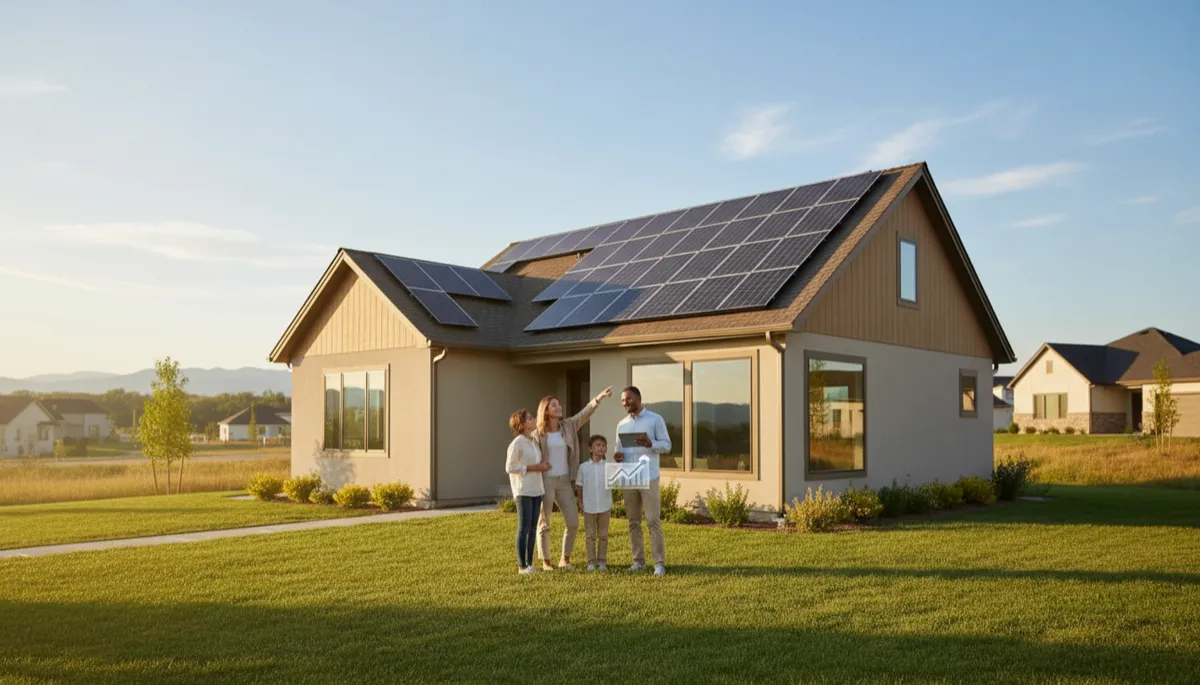
Many families see payback in under a decade, then enjoy years of lower bills.
When Are Home Solar Panels Especially Worth It?
While every situation is unique, there are some clear signs that solar is likely to be a strong financial move for you:
Your power bills are high. If you’re paying more than about $120–$150 a month, your potential solar savings estimate is often quite attractive, especially in high-rate states like California, Massachusetts, or Hawaii.
You have a sunny, mostly shade-free roof. South- or southwest-facing roofs with minimal shade get the best production and fastest payback.
You plan to stay in your home for 7–10+ years. The longer you stay, the more time your system has to pay you back and then save you money.
Your state has solid incentives or net metering. Some states offer generous rebates or strong net metering policies that credit you at or near the retail rate for extra power you send back to the grid.
If several of these describe you, there’s a good chance that when you ask, “Are solar panels worth it for my home?” the numbers will come back in your favor.
When Might Solar Panels Not Be Worth It (Yet)?
Honest answer: solar isn’t always the right move this very moment, and that’s okay. Here are a few situations where home solar panels might not be worth it just yet:
You rent or live in a condo where you don’t control the roof.
Your roof is heavily shaded and can’t be easily trimmed or adjusted.
You know you’ll be moving within the next 2–3 years and don’t want to navigate solar home sale considerations.
Your local incentives are minimal and your power rates are unusually low, making the payback period quite long.
Even in these cases, you still have options, like community solar programs or waiting until you move into a more solar-friendly home. The key is to get a personalized solar savings estimate rather than assuming solar is always good or always bad.
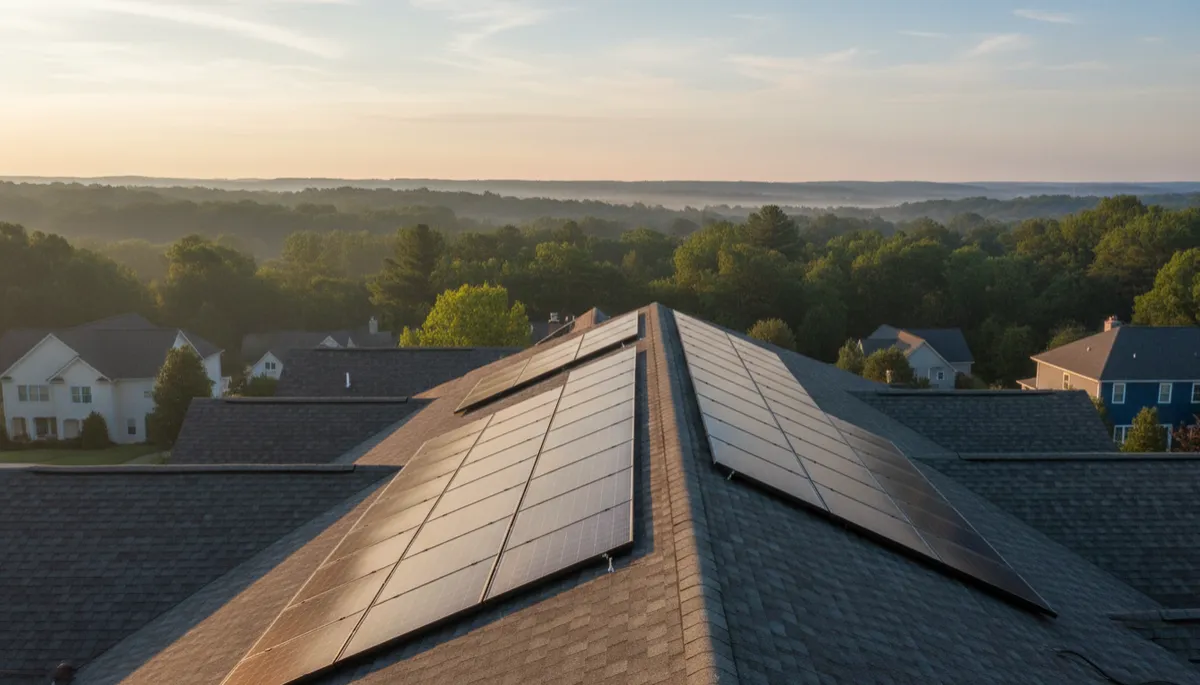
A shade-free, well-oriented roof can dramatically improve your solar return.
Beyond Dollars: Comfort, Resilience, and the Environment
Most people start with the financial question — are solar panels worth it in terms of dollars and cents? — but it’s also fair to think about the non-financial benefits. Home solar can:
Reduce your carbon footprint by replacing fossil-fuel electricity with clean, renewable energy.
Add resilience when paired with battery storage, giving you backup power during grid outages (this is especially appealing in areas with frequent storms or public safety shutoffs).
Increase home appeal to future buyers who value lower utility bills and greener living.
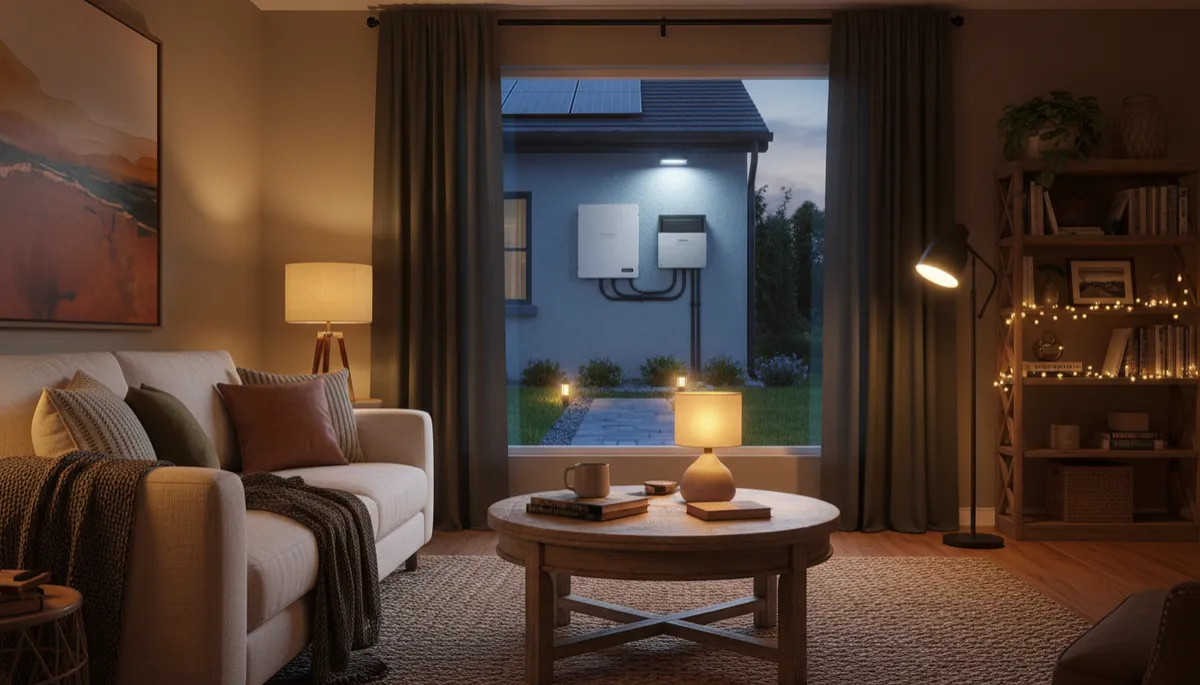
Solar plus storage can add comfort and peace of mind during power outages.
How to Get Your Own Accurate Solar Savings Estimate
If you’re seriously considering going solar, the next step is to get site-specific quotes. Online marketplaces like EnergySage and SolarReviews compile installer bids and cost data, and many reputable local installers will create a custom proposal at no charge. When you review offers, look for:
A clear breakdown of system size, price per watt, and total cost before and after incentives.
A 20–25 year cash flow or savings chart showing how your bills change over time.
Realistic assumptions about electric rate increases, production, and maintenance costs.
💡 Friendly rule of thumb: If an installer can’t clearly explain how they arrived at your solar savings estimate in plain language, keep shopping until you find one who can.
So, Are Home Solar Panels Worth It in the U.S. Right Now?
Pulling it all together: for many U.S. homeowners in 2026, home solar panels are worth it — often delivering payback in under a decade and thousands of dollars in lifetime savings, especially in areas with high electric rates and solid incentives. Prices per watt are among the lowest they’ve ever been, while electricity prices and climate concerns continue to rise.
The best way to move from “Are solar panels worth it?” to “Are they worth it for me?” is to get tailored quotes and a personalized solar savings estimate for your home. With that information in hand, you can make a confident, informed decision that fits your budget, your values, and your long-term plans.
If the numbers look good, solar can be more than just a feel-good upgrade — it can be a practical, friendly partner in lowering your bills and brightening your home’s future for decades to come.