



Top Affordable Wearables for Health Tracking 2026
Health Tech, Affordable Wearables, DIY Tracking
Best Affordable Wearables for DIY Health Tracking in 2026
On a gray January morning in 2026, Mia stood in the fluorescent light of a drugstore aisle, staring at a wall of glossy boxes. Smartwatches, fitness bands, rings she’d only seen in sci-fi movies, each promising better sleep, sharper focus, a healthier heart. The problem wasn’t choice. It was price. She wanted to dive into DIY health tracking without draining her savings. That moment, phone in hand and budget in mind, is where this guide really begins.
The New Age of Budget Biohacking
A decade ago, “biohacking” sounded like something reserved for Silicon Valley founders with sleep pods and private chefs. In 2026, it looks a lot more like Mia: a regular person in the USA, juggling work, family, and a tight budget, quietly building her own health lab on her wrist. Affordable wearables for DIY health tracking have exploded, turning cheap health trackers in the USA into everyday tools rather than luxury gadgets.
The shift isn’t just about counting steps. Today’s budget biohacking wearables 2026 scene is about answering deeper questions: Why am I exhausted on Tuesdays? What really happens to my heart during that “easy” jog? Is my sleep as bad as I think—or worse? And crucially: can I get those answers without a $400 smartwatch and a monthly subscription that slowly bleeds my wallet?
💡 Story Insight: Think of yourself as a detective, and your wearable as the notebook where every clue about your body quietly lands.
Under $50: The “No-Excuses” Starter Lab
Mia’s first rule was simple: start small, learn a lot. That’s why her journey began with the Xiaomi Smart Band 10, one of the best cheap health trackers USA shoppers can grab for under $50. Reviewers at Tom’s Guide and Live Science call it one of the best budget trackers, and it’s easy to see why: a bright AMOLED display, up to 21 days of battery life, and tracking for heart rate, sleep, steps, stress, and SpO₂, without a subscription in sight (Tom’s Guide, Live Science).
For three weeks, Mia wore it everywhere. She watched her resting heart rate drop as her evening walks turned into light jogs. She discovered that the “harmless” habit of doom-scrolling in bed meant 45 minutes of lost deep sleep. The band didn’t need fancy AI coaching; its quiet graphs were enough to nudge her into earlier screen curfews and more consistent bedtimes. This is the magic of ultra-budget trackers: they turn vague intentions into visible patterns.
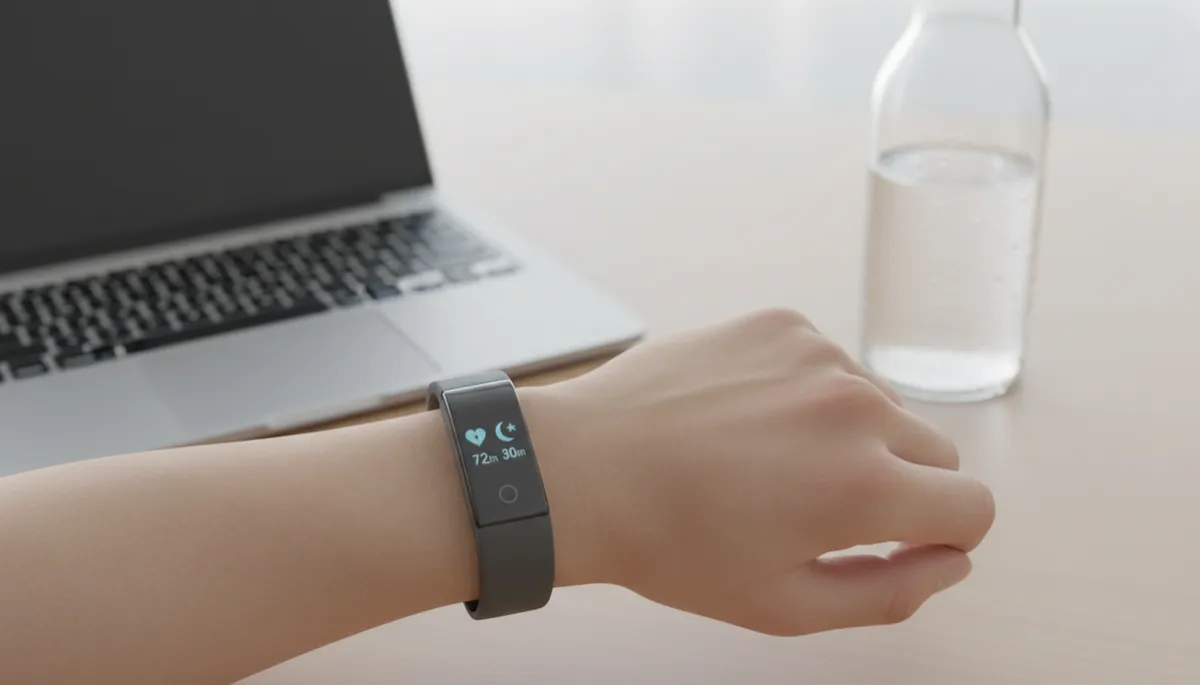
Even sub-$50 bands can reveal powerful patterns in sleep and daily activity.
$50 to $100: When Your Watch Becomes a Coach
After a few months, Mia wanted more than steps and sleep. She wanted to break free from her phone during runs and see how her heart responded on hills and intervals. That’s when she moved into the sweet spot of affordable wearables for DIY health tracking: the $50 to $100 range, where features start to feel almost unfairly good for the price.
Two names kept appearing in reviews: the Amazfit Active 2 and the Amazfit Bip 6. TechRadar and Tom’s Guide both praise the Active 2 as one of the best cheap smartwatches under $100, with built-in GPS, offline maps, heart rate monitoring, and up to 10 days of battery life (TechRadar, Tom’s Guide).
The Bip 6, hovering around $80, brings multi-system GPS, a two-week battery, heart rate and SpO₂ tracking, and no subscription fees (WearableBeat). For runners and walkers who don’t want to carry a phone, this is where budget biohacking wearables 2026 really come alive. You can map your routes, measure your pace, and watch your cardiovascular fitness improve, without paying a premium brand tax.
📌 Key Takeaway: Under $100, you can already get GPS, heart rate, SpO₂, and multi-day battery life—enough for serious DIY experiments with training, sleep, and recovery.
Minimalist Tracking: When Less Screen Means More Awareness
Not everyone wants another glowing rectangle demanding attention. One of Mia’s friends, Jonah, was the opposite of a gadget person. Notifications stressed him out; he’d turned off almost everything on his phone. But he still wanted to understand his body better. For him, the Fitbit Air, a tiny, screenless tracker launched in 2026, was the gateway into cheap health trackers USA shoppers could wear and almost forget about.
At around $99, the Air tracks heart rate, steps, sleep, blood oxygen, temperature, and workouts, all in a featherlight 5.2g form factor (Tom’s Guide). Core features don’t require a subscription; the data quietly syncs to his phone, where he checks it once a day. For Jonah, biohacking wasn’t about buzz or badges, it was about waking up, glancing at his sleep stages, and finally understanding why that second glass of wine wrecked his deep sleep.
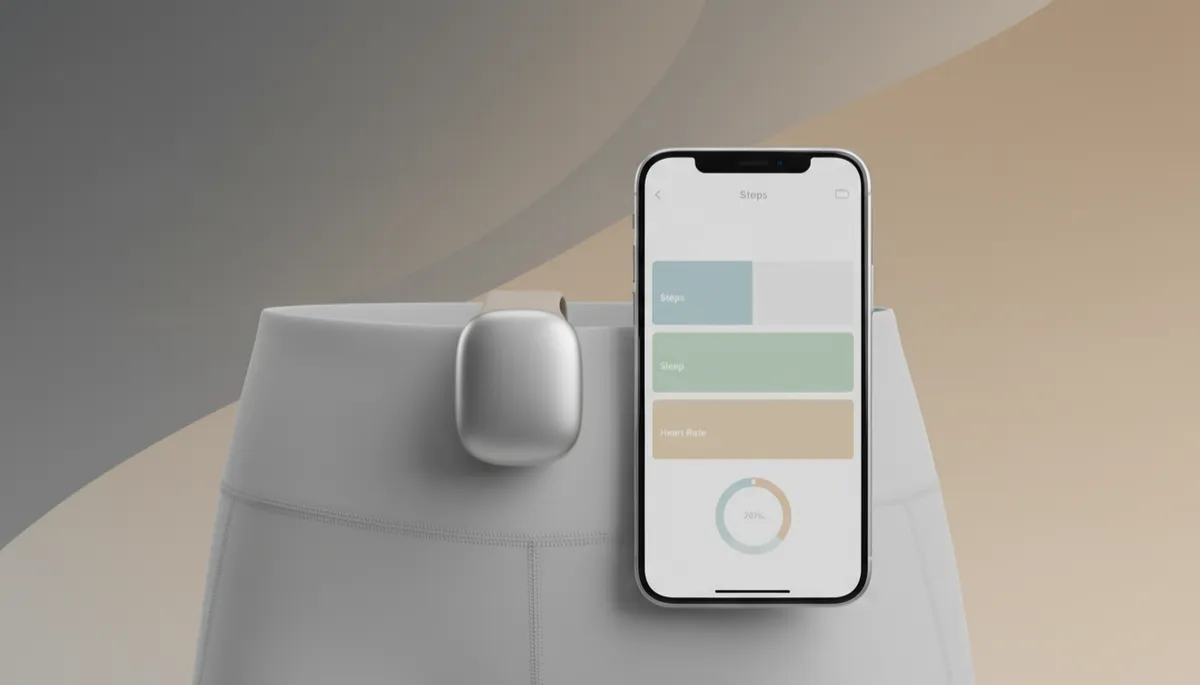
Screenless trackers suit people who want data without constant digital noise.
Style, Rings, and the Rise of Invisible Biohacking
Then there’s the friend who refuses to wear anything that clashes with their outfit. Enter the Nothing CMF Watch 3 Pro and the Sekonda Smart Ring. The CMF Watch 3 Pro, usually under $80, blends a stylish design with dual-frequency GNSS, heart rate, SpO₂, sleep tracking, and up to 13 days of battery life (Wired). It’s the kind of watch that looks at home in a boardroom but quietly logs your stress during back-to-back meetings.
The Sekonda Smart Ring, hovering around £80 (about $100), takes things a step further in subtlety. It tracks core health metrics in a discreet band of metal around your finger (Woman & Home). For some, this is the ideal form of budget biohacking wearables 2026: no screen, no obvious gadget, just quiet data about sleep and activity that you can review on your own time.
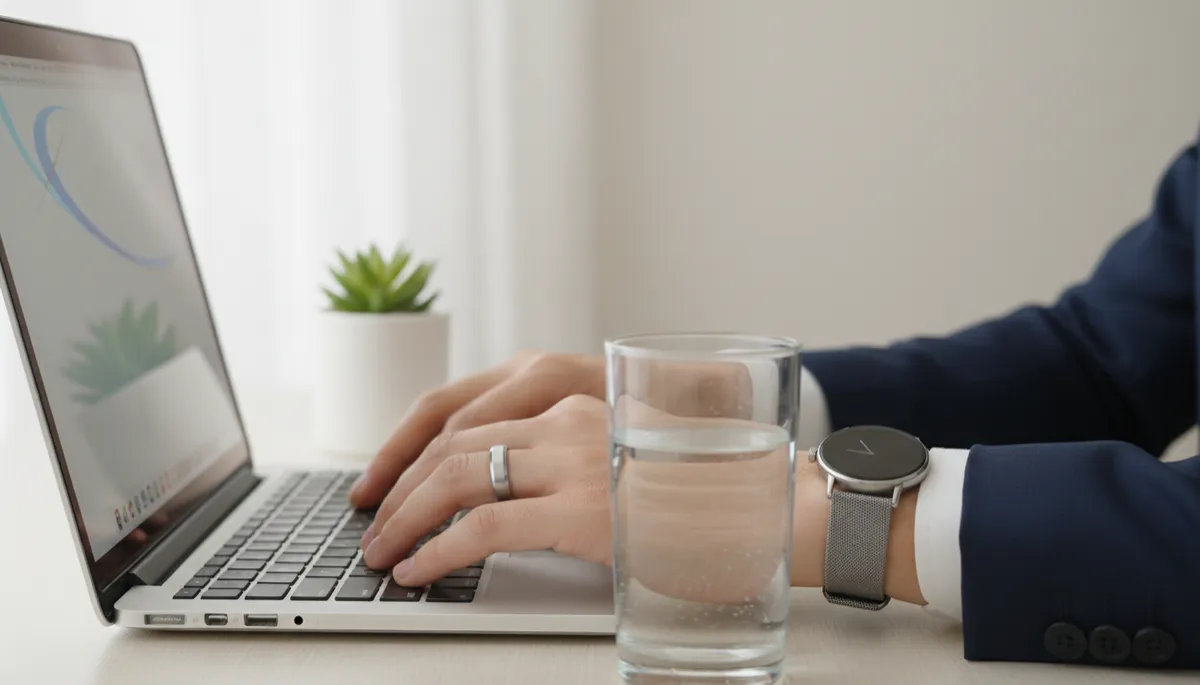
Discreet wearables make long-term tracking easier because they blend into daily life.
When You Want More Metrics Without a Luxury Price Tag
As Mia’s confidence grew, so did her curiosity. She wanted richer training insights, maybe even ECG readings, but she still refused to cross the $200 line. This is where the upper tier of affordable wearables for DIY health tracking shines, devices like the Huawei Watch Fit 4, Amazfit Active Max, Garmin Vivosmart 5, and Fitbit Charge 6.
The Huawei Watch Fit 4, typically in the $120 to $150 range, offers dual-frequency GPS, offline maps, heart rate, sleep, SpO₂, stress, and even menstrual cycle tracking (Wareable). The Amazfit Active Max, under about $170, stretches battery life toward a month while packing in maps and positioning (Pulse & Plate). These are the watches for people who’ve moved from “I should probably walk more” to “I’m training for my first half marathon.”
On the band side, the Garmin Vivosmart 5 and Fitbit Charge 6 offer a different flavor of power. The Vivosmart 5 leans on Garmin’s trusted health metrics with no subscription required, relying on your phone for GPS but giving you solid heart rate and sleep data for around $100 to $140. The Charge 6, usually $130 to $160, adds built-in GPS and ECG, with deeper insights available through Fitbit’s subscription tier (Pulse & Plate).
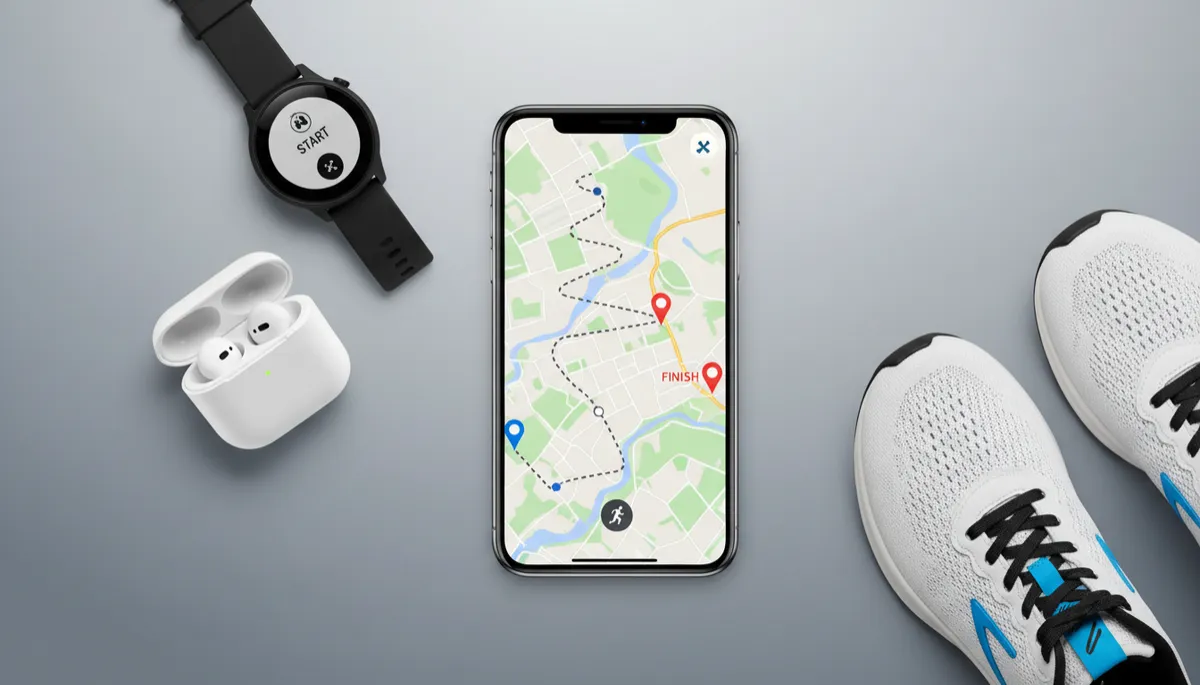
Built-in GPS turns casual jogs into measurable experiments in pace and recovery.
How to Choose the Right Cheap Health Tracker in the USA
By spring, Mia had become the unofficial “wearables whisperer” in her friend group. When people asked what to buy, she didn’t start with brands. She started with stories. “Tell me what you actually want to change,” she’d say. Then she’d match their story to a device:
“I just want to move more and sleep better.” Start with the Xiaomi Smart Band 10 or Fitbit Inspire 3. They’re classic cheap health trackers USA shoppers can rely on for steps, heart rate, and sleep, no overthinking required.
“I run or cycle and hate carrying my phone.” Look at Amazfit Bip 6, Amazfit Active 2, Huawei Watch Fit 4, or Garmin Forerunner 55. Built-in GPS turns your workouts into clean, standalone data.
“I want fewer screens, not more.” Consider Fitbit Air or a smart ring like Sekonda. Let the data live quietly in the background until you’re ready to look.
“I’m curious about deeper metrics like ECG.” The Fitbit Charge 6 offers ECG and GPS in a band form, while staying under typical smartwatch prices.
💡 Pro Tip: Before you buy, write down one experiment you want to run - like “Does caffeine after 3 p.m. ruin my sleep?” Choose the wearable that can answer that question clearly.
Writing Your Own Health Story in 2026
By the end of 2026, Mia’s nightstand held a small museum of devices - bands, watches, and a ring - but her favorite story wasn’t about the gadgets. It was about the night she realized she no longer needed an afternoon energy drink. Her resting heart rate had dropped, her sleep graph showed deep blue blocks of uninterrupted rest, and her morning runs felt lighter. The wearables hadn’t changed her life on their own. They’d simply held up a mirror, day after day, until the truth became impossible to ignore.
That’s the real promise of the best affordable wearables for DIY health tracking in 2026. Whether you pick a $40 band, a $79 GPS watch, or a $150 training companion, you’re not just buying hardware. You’re buying visibility; the ability to see how your choices ripple through your body, in real time. In a world overflowing with advice, these budget biohacking wearables 2026 give you something rarer: your own data, your own patterns, your own story.
So the next time you find yourself in that glowing aisle or scrolling through endless online listings of cheap health trackers USA retailers are pushing, pause for a moment. Picture the version of you who wakes up rested, moves with intention, and understands the quiet signals your body sends every day. Then choose the wearable that helps you meet that person, one graph, one night’s sleep, one measured run at a time.