


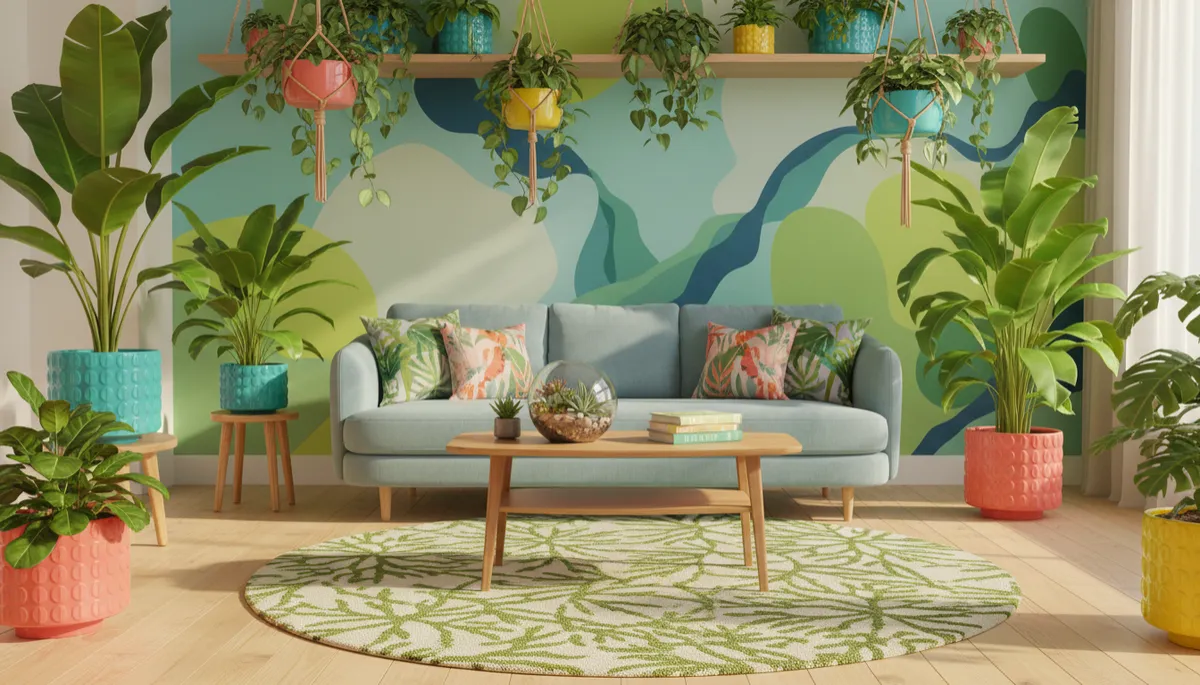
Add Biophilic Elements to Your Home Decor
Home Decor, Nature-inspired Interiors, Wellness Spaces
How to Add Biophilic Elements to Any Room
Step into a story of one ordinary apartment that became a lush, calming retreat - one leaf, one ray of light, and one small choice at a time.
The first time Maya noticed how drained her apartment made her feel was on a rainy Tuesday. She dropped her keys on the counter, looked around her gray-on-gray living room, and realized it felt more like a waiting room than a home. The walls were bare, the air a little stale, the only “view” a brick wall across the alley. It was functional, sure—but it didn’t feel alive. That night, scrolling through photos of Nature-inspired Interiors, she wondered if there was a way to bring that same sense of calm and color into her own space, without a full renovation or a designer’s budget.
The Moment You Realize Your Home Needs More Life
Maybe you’ve had a similar moment. You walk into a hotel lobby filled with plants, warm wood, and soft daylight, and your shoulders drop an inch. Or you visit a friend’s home where the windows frame trees instead of traffic, and suddenly you’re breathing a little deeper. That feeling isn’t an accident, it’s the quiet power of biophilic design, the art of connecting our indoor spaces with the natural world we’re wired to love.
Biophilic elements aren’t reserved for luxury spas or high-end offices. They can live in a studio apartment, a small bedroom, even a windowless hallway. The secret is learning to see each room not as it is, but as it could be: a tiny ecosystem of light, texture, color, and life that supports your mood and well-being every single day. That’s how ordinary rooms quietly transform into true wellness spaces.
Step One: Start With the Light You Already Have
When Maya decided to change her living room, she didn’t start with plants, she started with light. She pulled back the heavy curtains that had been blocking the only window and replaced them with sheer white panels that fluttered when the window was open. For the first time, morning light pooled across her rug, and the room felt less like a box and more like a breath.
Swap blackout curtains for lighter, layered options in bright, playful colors like sky blue or sunny yellow, so you can control privacy without sacrificing daylight.
Position mirrors across from windows to bounce light deeper into the room, mimicking the way water reflects the sky outdoors.
Choose warm, dimmable bulbs for evening, so your lighting shifts gently like a sunset instead of flicking between “off” and “office.”
💡 Pro Tip: Spend one day simply observing how light moves through your home. Morning, afternoon, evening—notice where it lands and where it never seems to reach. That’s where your biophilic story begins.
Step Two: Invite Living Green Into the Story
The next weekend, Maya came home carrying three small plants: a pothos vine, a snake plant, and a tiny fern. She didn’t know their Latin names or the finer points of soil drainage. She only knew that when she placed them on her windowsill and bookshelf, the room felt less empty. The soft green leaves broke up the hard lines of furniture and screens, and suddenly her living room looked like someone lived there, and thrived there.
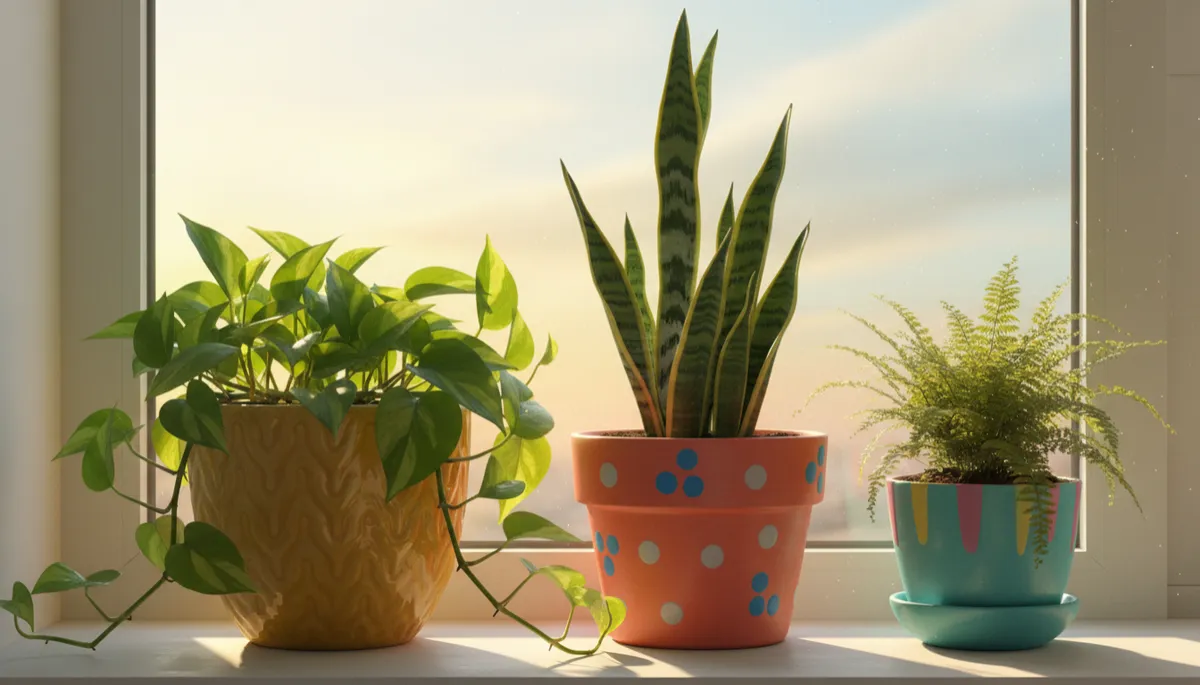
Even a small cluster of plants can shift a room’s mood instantly.
You don’t need a jungle to embrace Nature-inspired Interiors. Start with a few easy, forgiving plants and place them where you’ll see them often—near your desk, by your bed, or on the kitchen counter where you make coffee. Each plant becomes a quiet character in your home’s story, growing and changing alongside you.
For low light rooms, try ZZ plants, snake plants, or pothos—they tolerate imperfection and forgetful watering.
In bright spaces, experiment with herbs on the kitchen sill—basil, mint, or rosemary add both scent and flavor to your daily rituals.
If real plants feel intimidating, mix one or two faux plants with real ones to create fullness while you build your confidence.
Step Three: Layer Natural Textures and Materials
As the weeks passed, Maya realized that her plants looked a little lonely against plastic and metal surfaces. So she began to trade pieces, one by one. A cold glass coffee table became a warm, pale wood one. A synthetic throw pillow was replaced by a cotton cover in a playful coral hue. A woven jute rug rolled out under her feet, and suddenly the room felt grounded, like walking along a sandy path instead of a tiled hallway.
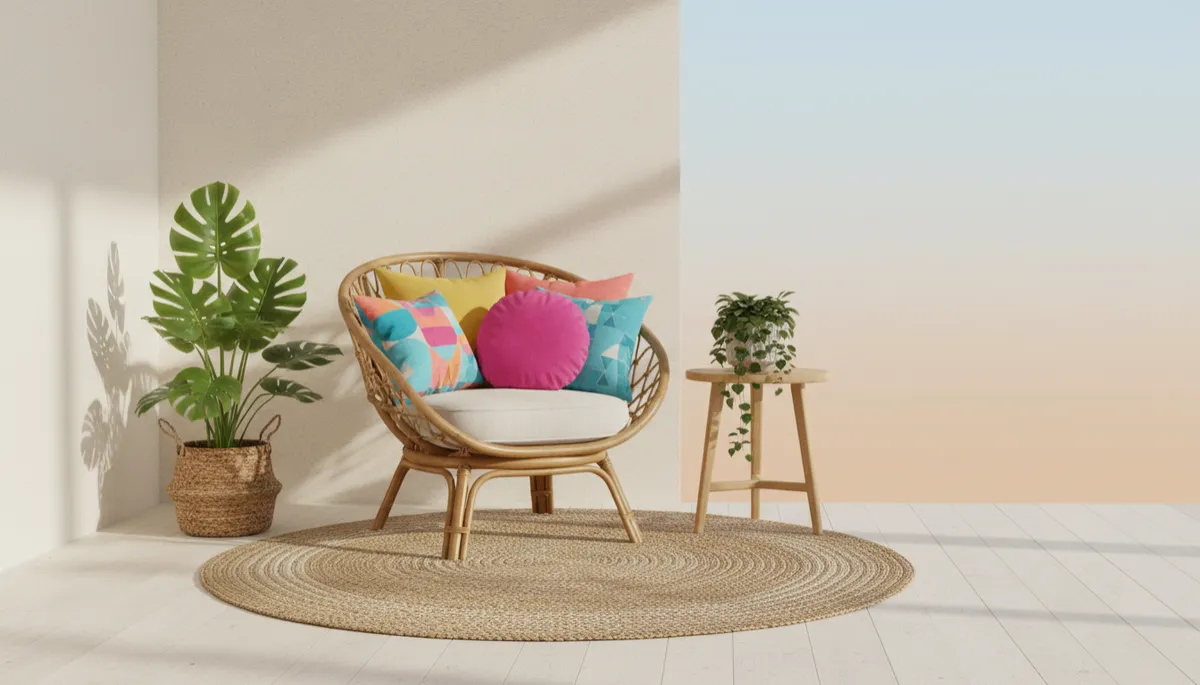
Natural textures soften hard edges and echo the landscapes we love.
Biophilic design isn’t just about what you see; it’s about what you touch. The scratch of woven fibers under your feet, the smoothness of a wooden armrest, the softness of a cotton throw, these tactile moments quietly remind your nervous system of the outdoors, helping your home feel like a sanctuary rather than a storage unit for furniture.
Introduce wood through side tables, picture frames, or shelves in light, airy finishes that pair beautifully with playful brights.
Use woven baskets for storage, turning clutter into texture - perfect for blankets, toys, or extra pillows.
Layer natural fabrics like cotton, linen, and wool in cheerful hues—teal, lemon, fuchsia—to keep the mood light and playful.
Step Four: Tell a Nature Story on Your Walls
One evening, Maya stood in front of her once-blank wall, now dotted with frames. Instead of generic prints, she’d chosen photos she’d taken on hikes—sunlight through leaves, a close-up of moss on a rock, a bright blue lake under a wide sky. Each image pulled a favorite memory into her daily life, turning her living room into a gallery of places where she’d felt most alive.
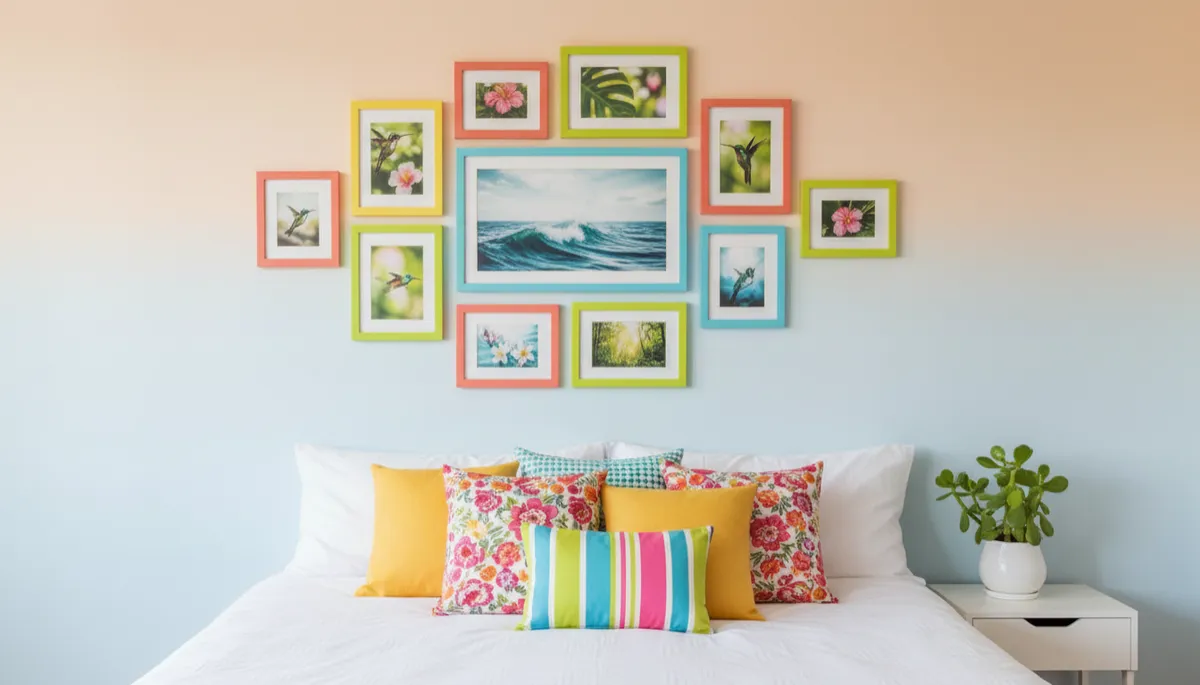
Nature art and photos extend the outdoors into even the smallest rooms.
Wall art is one of the easiest ways to bring biophilic energy into any room, especially spaces that can’t host many plants, like bathrooms, hallways, or rental bedrooms with limited light. Choose imagery that feels alive: waves, forests, wildflowers, mountain skylines. Pair those scenes with frames or mats in vibrant yet soft colors to keep the space feeling joyful, not stiff.
Step Five: Turn Everyday Rooms Into Wellness Spaces
Over time, Maya’s home changed in small but powerful ways. Her bedroom, once just a place to sleep, became one of her favorite wellness spaces. A single leafy plant stood on her nightstand. A soft blue throw draped across the bed like a quiet lake. She swapped her phone alarm for a sunrise clock that gently brightened the room each morning. It wasn’t a spa, but it felt like a space that cared about how she woke up and wound down each day.
You can do the same in any room, no matter its size or purpose:
In the bathroom: Add a small plant that loves humidity, hang a nature print, and choose towels in sea or leaf tones for a mini spa feel.
In the home office: Position your desk near a window if possible, bring in a desk plant, and use a cork or wood board to pin nature photos or inspiring landscapes.
In kids’ rooms: Mix bright, playful colors with animal or forest motifs, soft rugs that feel like grass underfoot, and a window perch for watching the sky.
📌 Key Takeaway: A wellness space isn’t about perfection; it’s about intention. Every plant, texture, and color is a small promise you make to your own well-being.
Step Six: Engage All the Senses, Not Just Sight
One rainy night, as thunder rolled outside, Maya lit a candle that smelled faintly of pine and citrus. She curled up under a soft throw, listening to a playlist of ocean waves and distant birds. For a moment, the city outside her window faded, and she felt as if she were tucked away in a cabin near the woods. The room hadn’t changed, but the experience had, and that’s the subtle magic of biophilic design done well.
Use essential oils or candles with scents like cedar, eucalyptus, or citrus to echo natural environments you love.
Play ambient nature sounds (rainfall, forest streams, gentle waves) during work or wind-down routines to soften background noise.
Open windows whenever possible to let in fresh air, birdsong, and the subtle shifts of the weather.
Your Home, Your Nature-Inspired Story
By the time spring arrived, Maya’s apartment no longer felt like the gray box she’d once come home to. It wasn’t perfect, there were still cables to hide and laundry days that got away from her, but it was alive. The plants grew new leaves. The light shifted gently through sheer curtains. Natural textures and colors in playful brights turned each corner into a small, joyful vignette. Most importantly, she felt different in it: calmer, more grounded, more herself.
That’s the quiet promise of Nature-inspired Interiors. They don’t shout for attention; they invite you in. They remind you that even in the busiest city, in the smallest apartment, you are still a creature of sunlight, fresh air, and growing things. Every room, no matter how ordinary, can become a gentle bridge between your daily life and the natural world you crave.
So stand in the doorway of your own room for a moment. Notice the light, the colors, the textures, the sounds. Then ask yourself: What’s one small biophilic element I can add today? A plant? A woven basket? A nature print? A brighter, more playful pillow that echoes the colors of a sunset? Start there. Let your home’s story unfold one leaf, one ray of light, one thoughtful choice at a time, until every room feels like the wellness space you deserve to live in.